Abstract
Exposure to significant sources of trauma and stress among social workers is increasingly identified as an important issue that can impact the quality of professional services, and the social worker’s well-being. There is more and more literature focusing on this phenomenon and related concepts. However, to our knowledge, there has been no published systematic review of the literature on compassion fatigue (CF) among social workers. Therefore, we performed a systematic scoping review by searching five electronic databases for studies published from 2001 to 2021, with the aim of identifying relevant literature. A total of twenty-nine studies were selected in the review following the systematic search strategy. Five themes were identified through the use of a narrative approach to synthesizing the literature by a Five-step framework of scoping review, including the prevalence, factors related, attributes and characteristics, consequences and strategies or interventions to reduce compassion fatigue among social workers. Findings revealed that few studies had examined the consequences and tested the effectiveness of specific interventions. Furthermore, future research involving concept analysis and related theoretical model was required in the field of social work.
Highlights
Better understanding of social workers’ experiences of compassion fatigue can improve their wellbeing and service delivery.
Further research is required to fully understand the consequences and interventions on the quality of services provided.
Future research exploring compassion fatigue across organizational settings, and identifying strategies to mitigate compassion fatigue among social workers would enhance the current knowledge and related theoretical models.
Introduction
As a practice based profession, the main task of clinical social workers is to establish professional relationships and empathize with people who have experienced or are currently facing multiple traumas. Consequently, social workers in various roles are highly susceptible to experiencing emotional and psychological distress, such as vicarious traumatization (VT), secondary traumatic stress (STS), compassion fatigue (CF) or job burnout (BO), due to prolonged exposure to various types of traumatic realities (Armes et al., 2020; Hamid and Musa, 2017). Research on social workers in a range of settings reported that they were almost at risk of developing compassion fatigue, such as child welfare caseworkers (Rienks, 2020), hospice social workers (Fox, 2019) and social workers in the community settings (Brown et al., 2019). These literatures suggested that compassion fatigue can have multiple negative effects on social workers and even have the negative implications for organizations and service users (Ledoux, 2015). The negative psychological and physical impacts of CF involved hopelessness; deep physical, emotional, and spiritual exhaustion; disconnection from others; and affected the personal and professional well-being of care providers (Figley, 1995). Meanwhile the social workers in high-risk situations will encounter employee absenteeism, turnover, poor morale, and impaired professional judgment (Denne et al., 2019; Kim et al., 2021). Better understanding of social workers’ experiences of compassion fatigue can improve their wellbeing and optimize the efficiency and quality of social services delivered to those in need (Bride et al., 2016; Decker et al., 2002).
Compared to secondary traumatic stress (Sorenson et al., 2016), the term compassion fatigue, which was considered as a user-friendly alternative for the outcome of work-related stress, had been widely adopted after its publication by Joinson in 1992 (Coetzee and Laschinger, 2018). As two different conditions with similar features, secondary traumatic stress and vicarious traumatization located different areas of symptoms, respectively. The former emphasized outward behavioral symptoms and the later focused on intrinsic cognitive changes (Newell and MacNeil, 2010). Since then, significant advancements had been made in the field of compassion fatigue research, particularly in terms of conceptual and methodological domains. These advancements focused on establishing conceptual clarity, conducting empirical research and developing theoretical and measurement models (Bride et al., 2007; Cross, 2019; Sorenson et al., 2017). The existing measurement tools used to assess CF among social workers included the professional quality of life scale (ProQOL) and compassion fatigue scale (CFS).
However, compared with these studies in health care, there was a limited number of studies reviewing the compassion fatigue related concepts in social work (Letson et al., 2020). While Molnar et al. (2020) conducted a review on vicarious traumatic stress in early childhood professionals through the analysis of 39 articles, as far as we know, there has been a lack of systematic review focusing on compassion fatigue specifically among the social workers. This gap in the literature research made it challenging to identify the prevalence of compassion fatigue among social workers and to develop prevention and intervention strategies (Méndez-Fernández et al., 2022).
As a type of knowledge synthesis for literature reviews that has received little attention, scoping reviews are particularly effective in mapping evidence on broader topics (Arksey and O'Malley, 2005; Harms and Goodwin, 2019). Therefore, we conducted a scoping review by utilizing a systematic approach, analyzing and summarizing the scope of findings in current literatures.
The purpose of this scoping review was to
-
Identify the quantity and scope of current literature.
-
Provide a summary and synthesis of significant research findings.
-
Explore the gaps in the available literature to guide future research.
Methods
In contrast to systematic reviews, scoping reviews preliminary assess the potential scope and extent of available literature through a broad approach to uncover the current knowledge gaps (Arksey and O'Malley, 2005; Grant and Booth, 2009; Harms and Goodwin, 2019). The selection of a scoping review methodology for this study was appropriate to achieve the goals of mapping the current literature and informing the findings for social work practice (Molnar et al., 2020). We employed the scoping review following the framework proposed by Arksey and O'Malley (2005), and Preferred Reporting Items for Systematic Reviews and Meta-Analyses (PRISMA) framework as a systematic approach (Tricco et al., 2018). The review process consisted of the following five stages.
Stage 1: identifying the research question
What research in English and Chinese language had been undertaken on compassion fatigue among social workers?
Stage 2: identification of relevant studies
The two-pronged search strategy was utilized. The first strategy involved a systematic literature search of five electronic databases, namely PubMed, ERIC, Web of Science, EBSCO (Psychology and Behavioral Sciences Collection, APA PsycArticles, APA PsyInfo, and Open Dissertations), CNKI, and Airiti (two electronic databases in Chinese), spanning from January 2001 to December 2021. One set of search terms describing participants (“social work” OR “social workers” *) was combined with a second set of keywords describing CF (“compassion fatigue” OR “compassion satisfaction” OR “secondary traumatic stress” OR “burnout”*) in all possible permutations. In addition, to avoid the risk of omitting relevant studies, a hand-search of the reference lists of located studies was also conducted and identified five additional publications.
Stage 3: selecting studies
A systematic selection process was utilized to determine the final set of articles that reflected the international trends. For inclusion in the review, articles were (a) empirical article published in a peer-reviewed journal, (b) written in English or Chinese, with (c) primary focus on social workers or related professionals, and (d) studied the compassion fatigue. The reasons why certain articles were not considered for this scoping review were as follows: (a) they focused on other professions and did not include information about social workers; or (b) they focused on the related concept other than compassion fatigue (i.e., Secondary Traumatic Stress, Burnout, Professional Resilience). In addition, as a revised version of the compassion fatigue scale (CFS), the professional quality of life scale (ProQOL) was the most commonly used assessment tool, which consisted of three subscales—compassion satisfaction, burnout, and secondary traumatic stress—where compassion fatigue was defined as a combination of burnout, and secondary traumatic stress. Therefore, if the article involved multiple concepts and used the Pro-QOL scale as the main measurement concept, they were included.
Two authors conducted the process independently and then checked agreement. The reliability of the searching was determined by comparing the number of articles identified by the two reviewers. Five articles with different opinions were discussed in more depth between the two reviewers and resolved through reconsidering inclusion to reach a consensus. Figure 1 provided a summary of our search process and results as presented in the PRISMA chart (Tricco et al., 2018).
Figure 1

PRISMA flowchart of the study selection process.
Stage 4: data graphics
Two reviewers collaborated to extract descriptive characteristics from the articles, and developed a standardized data extraction form that facilitated the gathering of vital theoretical and methodological elements, including: (a) author (s) and publication year, (b) study location: country and setting, (c) study populations (e.g., child protection social work), (d) purpose of the study, (e) research design and methodology, and (f) instrument. In addition, to illuminate the dominant areas of research, the reviewers identified the outcomes from the included papers. These detailed data extractions can be found in Table 1, which were collated by the reviewers using a customized data extraction sheet.
Table 1
| Authors, year, and country | Settings | Design | Sample | Research aims | Instrument | Outcomes |
|---|---|---|---|---|---|---|
|
Adams et al. (2006)
USA |
Current members of NASW | Quantitative (Factor analyses) | 236 social workers living in New York City | To assessed the construct validity of the CF scale. | CF scale | CF scale measured 2 key dimensions—STS and BO, which to be quite appropriate assessment tools, either separately or combined into the CF-Short Scale. |
|
Adams et al. (2008)
USA |
Current members of NASW | Quantitative | 236 social workers living in NYC | To examine the utility of secondary trauma in predicting psychological distress. | CF Scale | Social workers’ involvement in WTC recovery efforts is related to secondary trauma but not burnout. |
|
Baugerud et al. (2018)
Norway |
Child Protective Services (CPS’s) | Quantitative | 506 CPS workers | To evaluate the presence of STS and BO, as well as levels of CS in CPS workers, and examine risk and protective factors. | Pro-QOL | 83.7 per cent of the respondents experienced moderate levels of CS. |
|
Boscarino et al. (2004)
USA |
Current members of NASW | Quantitative | 236 social workers living in New York City (NYC) | To predict ST and BO related to providing services to those affected by the World Trade Center (WTC) attacks. | CF scale | ST was positively associated with WTC involvement and negatively associated with supportive work environment. |
|
Bourassa (2012)
USA |
APS unit and aging services | Qualitative (Semistructured interview) | 9 Adult Protective Services (APS) social workers | To explore the experiences and perspectives of APS social workers in relation to CF. | The APS social workers combined personal characteristics and professional factors to develop boundary-setting mechanisms that protected them from | |
|
Brown et al. (2017)
USA |
Transitional age youth, supportive services and so on | Quantitative | mental health professionals (n = 40) and MSW students (n = 111) | To explore the relationship between CF and mindfulness in mental health professionals compared to Master of Social Work (MSW) students. | Pro-QOL |
|
|
Conrad and Kellar-Guenther (2006)
USA |
Child protection settings | Quantitative | 363 child protection staff | To determine the prevalence of CF, BO, and CS among child protection workers. | CF scale |
|
|
Cuartero and Campos-Vidal (2019)
Spain |
Social centres | Quantitative | 270 social workers | To assess the efficiency of social workers’ self-care practices on CF. | Pro-QOL | Personal and professional self-care practices reduce CF levels as well as increase satisfaction levels. |
|
Denne et al. (2019)
USA |
Child dependency court | Quantitative | The social workers who working with children (N = 173 + N = 119) | To explore the relationship between social workers’ CF and years of job experience on hypothetical child custody case judgments. | CF Scale | CF significantly mediated the relationship between increased years of social worker job experience on recommendations that a neglectful mother receive custody |
|
Finzi-Dottan and Kormosh (2016)
Israel |
In a broad range of contexts | Quantitative | 202 social workers | To examine the moderating role of traumatic life events and of self-differentiation and professional self-esteem on CF and on its spillover into marital quality. | Pro-QOL |
|
|
Fontin et al. (2020)
USA |
Community and hospital setting | Quantitative cross-sectional study | 93 violence intervention caseworkers | To describe the prevalence of CS and CF among caseworkers. | Pro-QOL |
|
|
Fox (2019)
Australia |
Hospital | Qualitative (narrative, ethnography) | A hospital-based social worker | To investigate the phenomenon across the profession and provide a critique of the needs of practitioners working in the complex environment of hospitals and health care. Parallel | Developed the understandings of the lived experience of compassion fatigue and vicarious trauma on the social work profession. | |
|
Geoffrion et al. (2019)
Canada |
Youth center | Quantitative (Factor analyses) | 310 child protection workers | To assessed the construct validity of the ProQOL scale. | Pro-QOL | A bifactor model postulating a factor structure with a general factor in addition to independent factors (CS, bo, and STS) was proposed. |
|
Gregory (2015)
Australia |
In a broad range of contexts | Quasi-experimental design | 11 social workers | To report the effectiveness of a yoga and mindfulness program to decrease CF and to increase cs in currently employed social workers | Pro-QOL | Participation in a brief yoga and mindfulness program may halt the decrease of CS. |
|
Harr et al. (2014)
USA |
In field placements | Quantitative | Social work students (n = 480) and employed professionals (n = 186) | To explore the impact of CF and CS on social work students compared with employed professionals. | Pro-QOL | social work students experience lower levels of compassion fatigue than the professionals. |
|
Jacobson et al. (2013)
USA |
A cluster of Lutheran churches | Quantitative | Ninety-five clergy | To explore the relationship of personal and organizational characteristics, along with symptoms of depression, and CF, burnout, and potential for CS. | Pro-QOL | Clergy and SW were at low risk for burnout and moderate risk for CF and they had a moderate potential for CS, and the years in service and reported depression not predict risk for CF. |
|
Kapoulitsas and Corcoran (2014)
Australia |
In a community service organization | Qualitative (semi-structured interviews) | 6 social workers | To examine what develops personal, professional and organizational resilience; and the ways in which workers can be better protected from CF. | Four major themes were identified:
|
|
|
Kiley et al. (2018)
USA |
A mental health nonprofit organization | Two-arm randomized controlled trial | 69 Mental health professionals | To examine the effects of prerecorded guided imagery (GI) on CF and state anxiety. | Pro-QOL | Results revealed statistically significant differences in change scores between the control and experimental groups for state anxiety and sleep quality. |
|
Kim et al. (2021)
Korea |
Hospitals | Qualitative | 12 medical social workers | To explore the impacts of CF on social workers working with oncology patients. | Main themes:
|
|
|
Kreitzer et al. (2020)
Canada |
Home care, community-based mental health services and so on. | Qualitative (phenomenological methodology) | 14 social workers | To explore the institutional factors that social worker’s identified as contributing to their experience of CF. | The factors are presented including:
|
|
|
Letson et al. (2020)
USA |
A children’s advocacy center (CAC) setting | Quantitative (Cross sectional survey) and Qualitative (open-ended survey questions) |
885 child welfare workers | To investigate CS, BO and STS and their associated factors among child abuse professionals working in a CAC setting. | Pro-QOL | Child welfare workers had significantly higher burnout scores and significantly lower CS scores than most others. Professionals providing on-call services had significantly higher burnout. |
|
Pelon (2017)
USA |
Hospice settings | Quantitative (cross-sectional study) | 55 hospice social workers | To explored the prevalence of compassion fatigue among hospice social workers. | Pro-QOL | Hospice social workers exhibited moderate to high levels of CF, they were also found to have moderate to high levels of CS. |
|
Samios (2017)
Australia |
In a broad range of contexts | Quantitative | 69 rural mental health workers | To examine the buffering role of mindfulness on the relationship between burnout and psychological adjustment and test a mechanism through which mindfulness exerts its propitious effects: through CS. | Pro-QOL | CS partially mediated the relationship between mindfulness and depression and fully mediated the relationships between mindfulness and the positive indicators of adjustment. |
|
Thomas (2013)
USA |
In a broad range of contexts | Quantitative (cross-sectional survey) | 171 clinical social workers | To examine the relationship of personal distress and three other aspects of the empathy construct with CF, BO, and CS. | Pro-QOL | Higher personal distress is associated with higher CF and BO and lower CS among clinical social workers, and personal distress is the only component of the empathy construct with significant associations with the dependent variables. |
|
Waegemakers Schiff and Lane (2019)
Canada |
Homeless shelters | Quantitative | 472 frontline workers | To examine the relationship between STS and burnout through a direct measure of PTSD symptom and related factors. | The rates of BO&CF comparable to workers in other social services organizations, but the rates of PTSD symptoms to be at 33% of the total population. | |
|
Wagaman et al. (2015)
USA |
In a broad range of contexts | Quantitative | 173 social workers | To explore the relationship between the components of empathy, burnout, STS, and CS. | Pro-QOL | The components of empathy may prevent or reduce burnout and STS while increasing CS. |
|
Yi et al. (2018)
USA |
Hospital or community-based settings | Qualitative (focus groups) |
27 pediatric oncology social workers | To understand the experience of compassion fatigue among 27 pediatric oncology social workers. | Four main themes emerged:
|
|
|
Yi et al. (2016)
Korea |
Hospital | Qualitative (in-depth qualitative Interviews) | 12 medical social workers who providing care for oncology patients | To examine when compassion fatigue is experienced and how it is dealt with by medical social workers. |
|
|
|
Yi et al. (2018)
Korea |
Hospitals | Quantitative (Cross sectional survey) | 97 medical social workers | To examine the role of empathy in relation to CS and CF among medical social workers. | Pro-QOL | Empathic concern was positively associated with CS and negatively associated with BO. Personal distress was correlated with CS, STS, and BO. |
Characteristics of the 29 included studies.
Stage 5: summarizing and reporting the results
The results were presented by examining, comparing, synthesizing, and discussing the study characteristics and primary findings of the included articles. A narrative synthesis format was utilized, in which the themes were organized into an inductive conceptual structures to facilitate the discussion of the results.
Results
Initially, a total of 326 articles were identified through electronic database searching and manual searching. After the removal of duplicates, 178 articles remained and the titles and abstracts of them were screened. 139 articles were excluded in accordance with the inclusion criteria (interrater reliability 96%). Finally, the full texts of the remaining 39 articles were examined to reach a final decision. 10 articles were excluded at full-text review due to the excluded standard (interrater reliability 94%). Figure 1 shows the PRISMA flowchart of the study selection process.
Table 1 presented the general characteristics of these studies. All included articles were in English (n = 29). Most of the studies were conducted in the USA (n = 16), and followed by Australia (n = 4), Canada (n = 3), Korea (n = 3), Norway (n = 1), Spain (n = 1) and Israel (n = 1). The majority of studies were published between 2013 and 2021 (n = 24), reflecting the emerging research status of this field (see Figure 2). Most of the studies employed quantitative methods (n = 21) and eight papers used qualitative methods. Two main measurement tools with potential use for CF among social workers across the quantitative studies were identified, including the Compassion Fatigue Scale (n = 5) and Professional Quality of Life (ProQOL) scale (n = 16). Table 1 listed the characteristics of the methodologies used in all the included studies.
Figure 2
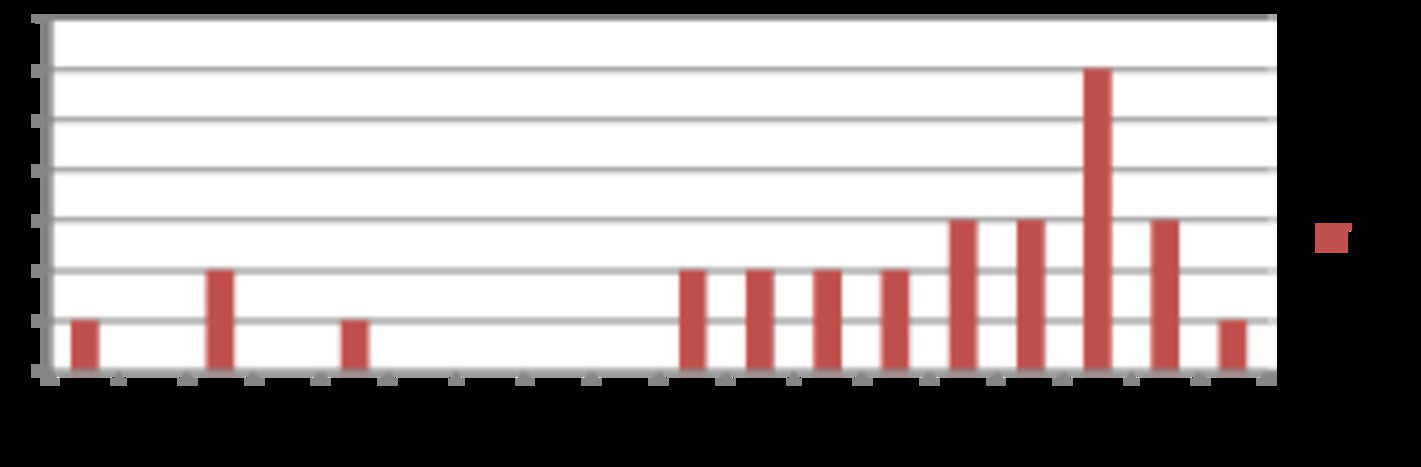
Year of publication of the 29 included studies.
Theme 1: prevalence of CF among social workers
The existing instruments used to assess compassion fatigue among social workers included the professional quality of life scale (ProQOL) and compassion fatigue scale (CFS) (Keesler and Fukui, 2020). Sixteen of the studies in this review employed the Pro-QOL (III, IV, V) and five used the CFS. Ten studies reported data on the level and prevalence. Overall, most studies (n = 7) reported that more than half of the participants scored in the medium range of compassion fatigue. However, Letson et al. (2020) found child welfare workers scored high category for burnout scale (68th percentile) and the top quartile for STS scale (94th percentile). Baugerud et al. (2018) found none of the respondents scoring in the high range of burnout (BO) and secondary traumatic stress (STS), meanwhile some of the participants (32.6%) scored high. (Cuartero and Campos-Vidal, 2019). There was no data available in the Chinese literature.
Theme 2: factors related to CF in social workers
We coded the factors that correlated with compassion fatigue across the reviewed studies, including the demographic differences (i.e., age, gender, marital status, education), the traits of personality (i.e., empathy, self-care, mindfulness, personal distress) and the work-related factors (i.e., employment status, length of employment, job position, peer Support). Baugerud et al. (2018) reported that the positive challenges at work, a sense of mastery of the work and commitment to their organizations were associated with improved levels of compassion satisfaction. Yi et al. (2018) and Wagaman et al. (2015) both focused on the role of empathy and reported negative correlation with compassion fatigue.
Theme 3: attributes and characteristics of CF in social workers
To understand the attributes and characteristics of compassion fatigue among social workers, the voices from themselves was very important. Kapoulitsas and Corcoran (2014) identified the emotional responses and difficulties from the interviews involving six social workers who working with distressed clients and Yi et al. (2016) described when compassion fatigue was experienced and how it was dealt with within the oncology social workers. There were two key defining attributes were identified from the relevant literature, including the cumulative process and emotional and behavioral symptoms.
Theme 4: consequences of CF in social workers
Compared to the studies focusing on the predictors of compassion fatigue, there was limited research on the consequences of compassion fatigue, with only two studies identified in this scoping review. Kim et al. (2021) explored the negative consequences of compassion fatigue on the oncology social workers’ well-being, including the personal wellbeing and transforming the impact of compassion fatigue. Denne et al. (2019) found that compassion fatigue could change the perspective of social workers when dealing with cases of child abuse and Kapoulitsas and Corcoran (2014) provided another insight into the participants’ experiences, like the resilience as the growth factors.
Theme 5: strategies or interventions to reduce CF among social workers
Among the studies reviewed, two focused on interventions aimed at reducing compassion fatigue in social workers, such as yoga and mindfulness programs and pre-recorded guided imagery (GI). Kiley et al. (2018) provided an evaluation of the effects on compassion fatigue and anxiety among the mental health, while Brown et al. (2017) confirmed that compassion fatigue and mindfulness were inversely correlated. However, there was no formal intervention in these two studies. There were no relevant reports in Chinese language.
Discussion
This scoping review sought to examine and map a broad spectrum of published literature concerning social workers’ experiences with compassion fatigue. There had been a growing focus on the population of social workers (ex., compared to the nurses), with almost 82.8% of the literature published between 2013 and 2021.
Almost all peer-reviewed papers came from high-income countries, showing that there are regional differences in this research, which was also closely related to the development of the social work profession. Future research needed to obtain research data from more countries and regions around the world, including comparisons evidence between different countries, in order to capture the CF level of social workers around the world in a more comprehensive way. Additionally, five themes of the included literature were identified through the thematic analysis. These themes were also documented in previous reviews that centered on other professionals (Najjar et al., 2009; Ortega-Campos et al., 2019; Zhang et al., 2018). Baqeas et al., 2021 reported the themes emerged from synthesis, including consequences, associated factors and strategies to support palliative care health providers. To some extent, it was similar with this current review. However, our findings revealed that most of the studies investigated the prevalence and related factors, which indicated the gap in the literature that needed more examination.
Firstly, a concept analysis and related attributes or theoretical model needed to be discussed and a more suitable measurement tool for social workers needed to be developed. Based on our review, the findings indicated that there was no existing work provided a concept analysis of compassion fatigue among the social workers. However, there were some researches that focused on the concept analysis of compassion fatigue among the healthcare providers or the family caregivers in the healthcare setting (Cross, 2019; Lynch and Lobo, 2012). A concept definition of compassion fatigue in the context of social work could provide more insight for this profession and facilitate the identification of symptoms and risk factors among social workers (Coetzee and Laschinger, 2018). Most of the included studies used the ProQOL scale, which is widely used among the nurses and medical staff (Ortega-Campos et al., 2019). Future research should aim to enhance theoretical understanding of compassion fatigue and develop a more suitable measurement tool for social workers.
Second, this scoping review revealed the CF-related risk and protective factors in social workers across the reviewed studies. The main factor that affected social workers in terms of compassion fatigue was related to the work-based conditions, which was in line with studies that explored the well-being of social workers (Hitchcock et al., 2021).
The studies included in this scoping review recruited from many of the settings (i.e. hospital (Yi et al., 2019)) in which social work is practiced, making it representative of the social work profession.
However, our findings suggested that there were still some working units not included in existing research (e.g., school). To our knowledge, there was no existing research that compared findings across settings or examined the different affect compassion fatigue among social workers in various settings. Future research should explore the incidence across settings and how work settings impacted on the development of compassion fatigue.
Finally, there was a lack of evidence that conducted and tested the effectiveness of interventions that could mitigate compassion fatigue among social workers, who had the unique experiences. Receiving the training or education programs was found to prevent and reduce the increasing symptoms of compassion fatigue among various populations. In contrast to the considerable research dedicated to examining the factors that contributed to compassion fatigue, there were relatively few intervention studies conducted to provide effective interventions and assess their efficacy specifically among social workers, particularly in implementation to other professionals (Delaney, 2018; Slatyer et al., 2017). Instead of focusing on the implement and effectiveness of strategies that reduced compassion fatigue among social workers, some studies only explored strategies themselves through self-reported data and correlational analysis. Therefore, future research should explore more details of the strategies or programs that were applicable to mitigate compassion fatigue among social workers using the quasi-experimental design.
Limitations
While a systematic process was followed, it was essential to acknowledge that this scoping review might miss certain elements of the literature, especially the missing of relevant articles not included in databases searched. This was a result of limiting the search to English and Chinese literature published within the last two decades. Consequently, the following types of literature were excluded: unpublished (grey literature); published in a language other than English and Chinese; and published as early as 2001. This might introduce some bias, including publication and language.
Conclusion
In this scoping review, we comprehensively examined the literature on the experiences of CF among social workers and identified five themes, including the prevalence of CF, factors related to CF, attributes and characteristics of CF, consequences of CF, and strategies or interventions to reduce CF among social workers. Although our review provided valuable insights into the CF among social workers, several research gaps remained to be addressed. First of all, the concept analysis and related attributes or theoretical model of CF should to be discussed. And then a more suitable measurement tool for social workers’ experience of CF needed to be developed. Finally, there was a lack of evidence that conducted and tested the effectiveness of interventions that could mitigate compassion fatigue among social workers.
Statements
Author contributions
TW: Writing – original draft, Writing – review & editing. C-RL: Data curation, Formal analysis, Writing – original draft.
Funding
The author(s) declare that no financial support was received for the research, authorship, and/or publication of this article.
Conflict of interest
The authors declare that the research was conducted in the absence of any commercial or financial relationships that could be construed as a potential conflict of interest.
Publisher’s note
All claims expressed in this article are solely those of the authors and do not necessarily represent those of their affiliated organizations, or those of the publisher, the editors and the reviewers. Any product that may be evaluated in this article, or claim that may be made by its manufacturer, is not guaranteed or endorsed by the publisher.
Supplementary material
The Supplementary material for this article can be found online at: https://www.frontiersin.org/articles/10.3389/fpsyg.2025.1500305/full#supplementary-material
References
1
Adams R. E. Boscarino J. A. Figley C. R. (2006). Compassion fatigue and psychological distress among social workers: a validation study. Am. J. Orthopsychiatry76, 103–108. doi: 10.1037/0002-9432.76.1.103
2
Adams R. E. Figley C. R. Boscarino J. A. (2008). The compassion fatigue scale: its use with social workers following urban disaster. Res. Soc. Work. Pract.18, 238–250. doi: 10.1177/1049731507310190
3
Arksey H. O'Malley L. (2005). Scoping studies: towards a methodological framework. Int. J. Soc. Res. Methodol.8, 19–32. doi: 10.1080/1364557032000119616
4
Armes S. E. Lee J. J. Bride B. E. Seponski D. M. (2020). Secondary trauma and impairment in clinical social workers. Child Abuse Negl.110:104540. doi: 10.1016/j.chiabu.2020.104540
5
Baqeas M. H. Davis J. Copnell B. (2021). Compassion fatigue and compassion satisfaction among palliative care health providers: a scoping review. BMC Palliat. Care20:88. doi: 10.1186/s12904-021-00784-5
6
Baugerud G. A. Vangbæk S. Melinder A. (2018). Secondary traumatic stress, burnout and compassion satisfaction among Norwegian child protection workers: protective and risk factors. Br. J. Soc. Work.48, 215–235. doi: 10.1093/bjsw/bcx002
7
Boscarino J. A. Figley C. R. Adams R. E. (2004). Compassion fatigue following the September 11 terrorist attacks: a study of secondary trauma among new York City social workers. Int. J. Emerg. Ment. Health6, 57–66
8
Bourassa D. (2012). Examining self-protection measures guarding adult protective services social workers against compassion fatigue. J. Interpers. Violence27, 1699–1715. doi: 10.1177/0886260511430388
9
Bride B. E. Radey M. Figley C. R. (2007). Measuring compassion fatigue. Clin. Soc. Work. J.35, 155–163. doi: 10.1007/s10615-007-0091-7
10
Bride B. E. Robinson M. M. Yegidis B. Figley C. R. (2016). Development and validation of the secondary traumatic stress scale. Res. Soc. Work. Pract.14, 27–35. doi: 10.1177/1049731503254106
11
Brown J. L. C. Ong J. Mathers J. M. Decker J. T. (2017). Compassion fatigue and mindfulness: comparing mental health professionals and MSW student interns. J. Evid. Inf. Soc. Work14, 119–130. doi: 10.1080/23761407.2017.1302859
12
Brown A. R. Walters J. E. Jones A. E. (2019). Pathways to retention: Job satisfaction, burnout, & organizational commitment among social workers. J. Evid-Based Soc. Wor.16, 577–594.
13
Coetzee S. K. Laschinger H. K. S. (2018). Toward a comprehensive, theoretical model of compassion fatigue: an integrative literature review. Nurs. Health Sci.20, 4–15. doi: 10.1111/nhs.12387
14
Conrad D. Kellar-Guenther Y. (2006). Compassion fatigue, burnout, and compassion satisfaction among Colorado child protection workers. Child Abuse Negl.30, 1071–1080. doi: 10.1016/j.chiabu.2006.03.009
15
Cross L. A. (2019). Compassion fatigue in palliative care nursing: a concept analysis. J. Hosp. Palliat. Nurs.21, 21–28. doi: 10.1097/NJH.0000000000000477
16
Cuartero M. L. Campos-Vidal J. (2019). Self-care behaviours and their relationship with satisfaction and compassion fatigue levels among social workers. Soc. Work Health Care58, 274–290. doi: 10.1080/00981389.2018.1558164
17
Decker J. T. Bailey T. L. Westergaard N. (2002). Burnout among childcare workers. Resid. Treat. Child. Youth19, 61–77. doi: 10.1300/J007v19n04_04
18
Delaney M. C. (2018). Caring for the caregivers: evaluation of the effect of an eight-week pilot mindful self-compassion (MSC) training program on nurses' compassion fatigue and resilience. PLoS One13:e0207261. doi: 10.1371/journal.pone.0207261
19
Denne E. Stevenson M. Petty T. (2019). Understanding how social worker compassion fatigue and years of experience shape custodial decisions. Child Abuse Negl.95:104036. doi: 10.1016/j.chiabu.2019.104036
20
Figley C. R. (1995). Compassion fatigue: Toward a new understanding of the costs of caring. Secondary traumatic stress: Self-care issues for clinicians, researchers, and educators. ed. StammB. H. (The Sidran Press), pp. 3–28.
21
Finzi-Dottan R. Kormosh M. B. (2016). Social Workers in Israel: compassion, fatigue, and spillover into married life. J. Soc. Serv. Res.42, 703–717. doi: 10.1080/01488376.2016.1147515
22
Fontin F. M. B. Pino E. C. Hang J. Dugan E. (2020). Compassion satisfaction and compassion fatigue among violence intervention caseworkers. J. Soc. Serv. Res.47, 486–495. doi: 10.1080/01488376.2020.1839628
23
Fox M. (2019). Compassion fatigue and vicarious trauma in everyday hospital social work: a personal narrative of practitioner–researcher identity transition. Soc. Sci.8:313. doi: 10.3390/socsci8110313
24
Geoffrion S. Lamothe J. Morizot J. Giguere C. E. (2019). Construct validity of the professional quality of life (ProQoL) scale in a sample of child protection workers. J. Trauma. Stress.32, 566–576. doi: 10.1002/jts.22410
25
Grant M. J. Booth A. (2009). A typology of reviews: an analysis of 14 review types and associated methodologies. Health Inf. Libr. J.26, 91–108. doi: 10.1111/j.1471-1842.2009.00848.x
26
Gregory A. (2015). Yoga and mindfulness program: the effects on compassion fatigue and compassion satisfaction in social workers. J. Relig. Spiritual. Soc. Work Soc. Thought34, 372–393. doi: 10.1080/15426432.2015.1080604
27
Hamid A. A. Musa S. A. (2017). The mediating effects of coping strategies on the relationship between secondary traumatic stress and burnout in professional caregivers in the UAE. J. Ment. Health26, 28–35. doi: 10.1080/09638237.2016.1244714
28
Harms M. C. Goodwin V. A. (2019). Scoping reviews. Physiotherapy105, 397–398. doi: 10.1016/j.physio.2019.10.005
29
Harr C. R. Brice T. S. Riley K. Moore B. (2014). The impact of compassion fatigue and compassion satisfaction on social work students. J. Soc. Soc. Work Res.5, 233–251. doi: 10.1086/676518
30
Hitchcock C. Hughes M. McPherson L. Whitaker L. (2021). The role of education in developing students’ professional resilience for social work practice: a systematic scoping review. Br. J. Soc. Work51, 2361–2380. doi: 10.1093/bjsw/bcaa054
31
Jacobson J. M. Rothschild A. Mirza F. Shapiro M. (2013). Risk for burnout and compassion fatigue and potential for compassion satisfaction among clergy: implications for social work and religious organizations. J. Soc. Serv. Res.39, 455–468. doi: 10.1080/01488376.2012.744627
32
Kapoulitsas M. Corcoran T. (2014). Compassion fatigue and resilience: a qualitative analysis of social work practice. Qual. Soc. Work.14, 86–101. doi: 10.1177/1473325014528526
33
Keesler J. M. Fukui S. (2020). Factor structure of the professional quality of life scale among direct support professionals: factorial validity and scale reliability. J. Intellect. Disabil. Res.64, 681–689. doi: 10.1111/jir.12766
34
Kiley K. A. Sehgal A. R. Neth S. Dolata J. Pike E. Spilsbury J. C. et al . (2018). The effectiveness of guided imagery in treating compassion fatigue and anxiety of mental health workers. Soc. Work. Res.42, 33–43. doi: 10.1093/swr/svx026
35
Kim M. A. Yi J. Molloy J. Choi K. (2021). The impact of compassion fatigue on the well-being of oncology social Workers in Korea. J. Soc. Serv. Res.47, 634–648. doi: 10.1080/01488376.2020.1869140
36
Kreitzer L. Brintnell S. E. Austin W. (2020). Institutional barriers to healthy workplace environments: from the voices of social workers experiencing compassion fatigue. Br. J. Soc. Work50, 1942–1960. doi: 10.1093/bjsw/bcz147
37
Ledoux K. (2015). Understanding compassion fatigue: understanding compassion. J. Adv. Nurs.71, 2041–2050. doi: 10.1111/jan.12686
38
Letson M. M. Davis C. Sherfield J. Beer O. W. J. Phillips R. Wolf K. G. (2020). Identifying compassion satisfaction, burnout, & traumatic stress in Children's advocacy centers. Child Abuse Negl.110:104240. doi: 10.1016/j.chiabu.2019.104240
39
Lynch S. H. Lobo M. L. (2012). Compassion fatigue in family caregivers: a Wilsonian concept analysis. J. Adv. Nurs.68, 2125–2134. doi: 10.1111/j.1365-2648.2012.05985.x
40
Méndez-Fernández A. B. Aguiar-Fernández F. J. Lombardero-Posada X. Murcia-Álvarez E. González-Fernández A. (2022). Vicariously resilient or traumatised social workers: exploring some risk and protective factors. Br. J. Soc. Work52, 1089–1109. doi: 10.1093/bjsw/bcab085
41
Molnar B. E. Meeker S. A. Manners K. Tieszen L. Kalergis K. Fine J. E. et al . (2020). Vicarious traumatization among child welfare and child protection professionals: a systematic review. Child Abuse Negl.110:104679. doi: 10.1016/j.chiabu.2020.104679
42
Najjar N. Davis L. W. Beck-Coon K. Carney Doebbeling C. (2009). Compassion fatigue: a review of the research to date and relevance to cancer-care providers. J. Health Psychol.14, 267–277. doi: 10.1177/1359105308100211
43
Newell J. M. MacNeil G. A. (2010). Professional burnout, vicarious trauma, secondary traumatic stress, and compassion fatigue. Best practices in mental health, 6, 57–68.
44
Ortega-Campos E. Vargas-Román K. Velando-Soriano A. Suleiman-Martos N. Cañadas-de la Fuente G. A. Albendín-García L. et al . (2019). Compassion fatigue, compassion satisfaction, and burnout in oncology nurses: a systematic review and Meta-analysis. Sustain. For.12:72. doi: 10.3390/su12010072
45
Pelon S. B. (2017). Compassion fatigue and compassion satisfaction in hospice social work. J. Soc. Work End Life Palliat. Care13, 134–150. doi: 10.1080/15524256.2017.1314232
46
Rienks S. L. (2020). An exploration of child welfare caseworkers’ experience of secondary trauma and strategies for coping. Child Abuse Negl.110:104355.
47
Samios C. (2017). Burnout and psychological adjustment in mental health Workers in Rural Australia: the roles of mindfulness and compassion satisfaction. Mindfulness9, 1088–1099. doi: 10.1007/s12671-017-0844-5
48
Slatyer S. Craigie M. Heritage B. Davis S. Rees C. (2017). Evaluating the effectiveness of a brief mindful self-care and resiliency (MSCR) intervention for nurses: a controlled trial. Mindfulness9, 534–546. doi: 10.1007/s12671-017-0795-x
49
Sorenson C. Bolick B. Wright K. Hamilton R. (2016). Understanding compassion fatigue in healthcare providers: a review of current literature. J. Nurs. Scholarsh.48, 456–465. doi: 10.1111/jnu.12229
50
Sorenson C. Bolick B. Wright K. Hamilton R. (2017). An evolutionary concept analysis of compassion fatigue. J. Nurs. Scholarsh.49, 557–563. doi: 10.1111/jnu.12312
51
Thomas J. (2013). Association of Personal Distress with Burnout, compassion fatigue, and compassion satisfaction among clinical social workers. J. Soc. Serv. Res.39, 365–379. doi: 10.1080/01488376.2013.771596
52
Tricco A. C. Lillie E. Zarin W. O'Brien K. K. Colquhoun H. Levac D. et al . (2018). PRISMA extension for scoping reviews (PRISMA-ScR): checklist and explanation. Ann. Intern. Med.169, 467–473. doi: 10.7326/M18-0850
53
Waegemakers Schiff J. Lane A. M. (2019). PTSD symptoms, vicarious traumatization, and burnout in front line Workers in the Homeless Sector. Community Ment. Health J.55, 454–462. doi: 10.1007/s10597-018-00364-7
54
Wagaman M. A. Geiger J. M. Shockley C. Segal E. A. (2015). The role of empathy in burnout, compassion satisfaction, and secondary traumatic stress among social workers. Soc. Work60, 201–209. doi: 10.1093/sw/swv014
55
Yi J. Kim J. Akter J. Molloy J. K. Ah Kim M. Frazier K. (2018). Pediatric oncology social workers' experience of compassion fatigue. J. Psychosoc. Oncol.36, 667–680. doi: 10.1080/07347332.2018.1504850
56
Yi J. Kim M. A. Choi K. Droubay B. A. Kim S. (2019). Compassion satisfaction and compassion fatigue among medical social workers in Korea: the role of empathy. Soc. Work Health Care58, 970–987. doi: 10.1080/00981389.2019.1686678
57
Yi J. Kim M. A. Choi K. Kim S. O’Connor A. (2016). When does compassion fatigue hit social workers? Caring for oncology patients in Korea. Qual. Soc. Work.17, 337–354. doi: 10.1177/1473325016670484
58
Zhang Y. Y. Han W. L. Qin W. Yin H. X. Zhang C. F. Kong C. et al . (2018). Extent of compassion satisfaction, compassion fatigue and burnout in nursing: a meta-analysis. J. Nurs. Manag.26, 810–819. doi: 10.1111/jonm.12589
Summary
Keywords
compassion fatigue, trauma, scoping review, social worker, themes analysis
Citation
Wu T and Lu C-R (2025) Understanding compassion fatigue among social workers: a scoping review. Front. Psychol. 16:1500305. doi: 10.3389/fpsyg.2025.1500305
Received
23 September 2024
Accepted
09 January 2025
Published
27 January 2025
Volume
16 - 2025
Edited by
Richard Adams, Kent State University, United States
Reviewed by
Rocío Ortiz Amo, University of Almeria, Spain
Siddarth David, Karolinska Institutet (KI), Sweden
Updates
Copyright
© 2025 Wu and Lu.
This is an open-access article distributed under the terms of the Creative Commons Attribution License (CC BY). The use, distribution or reproduction in other forums is permitted, provided the original author(s) and the copyright owner(s) are credited and that the original publication in this journal is cited, in accordance with accepted academic practice. No use, distribution or reproduction is permitted which does not comply with these terms.
*Correspondence: Tian Wu, njwutian@hotmail.com
†ORCID: Tian Wu, orcid.org/0000-0003-4453-1957
Disclaimer
All claims expressed in this article are solely those of the authors and do not necessarily represent those of their affiliated organizations, or those of the publisher, the editors and the reviewers. Any product that may be evaluated in this article or claim that may be made by its manufacturer is not guaranteed or endorsed by the publisher.