 Grace X. Zhao
 Maggie Y. Zhao
 Caitlin R. Bean
 Ashley S. Robbins
 Nicole E. Mahrer
- 1General Education Program, Music Department, University of La Verne, La Verne, CA, United States
- 2Teaching and Learning Innovation Centre, The University of Hong Kong, Pokfulam, Hong Kong SAR, China
- 3Psychology Department, University of La Verne, La Verne, CA, United States
In response to growing concerns about student mental health, this scoping review synthesizes 40 peer-reviewed empirical studies published between 2009 and 2024 on well-being interventions for undergraduate students in U.S. higher education, examined through the emerging lens of Positive Higher Education. Drawing from diverse methodologies and interventions—including mindfulness, cognitive-behavioral therapy, psychoeducation, and positive psychology strategies—the review examines how well-being is defined, implemented, and assessed across curricular and co-curricular contexts. While many interventions demonstrated positive outcomes, particularly in reducing stress and enhancing psychological well-being, the field remains limited by conceptual ambiguity, inconsistent theoretical frameworks, and insufficient attention to long-term institutionalization and sustainability. Most studies lacked a clearly articulated definition of well-being, and relatively few were embedded in academic curricula. This review underscores the need for a coordinated, theory-informed approach to integrating well-being as a core educational outcome, aligned with the values of liberal arts education. It concludes with a call to develop a Positive Higher Education Implementation Toolkit to guide institutions in embedding well-being into policy, pedagogy, and practice.
1 Introduction
1.1 Student mental health crisis
The phrase “mental health crisis among college students in America” has become a prominent feature in both scholarly literature and public discourse. While a Google Scholar search using this exact phrase yields over two million results—an unscientific method, to be sure—it nonetheless reflects the magnitude of concern surrounding this issue. Empirical data from the American College Health Association’s National College Health Assessment (American College Health Association, 2021, 2022, 2023, 2024, 2025) surveys conducted between Fall 2020 and Fall 2024 substantiate the crisis narrative, revealing consistent and troubling patterns in college student mental health. Rates of serious psychological distress remained relatively stable, though elevated, with a modest decline observed in Spring 2024 (19.5%) compared to Spring 2021 (24.0%). Loneliness affected approximately half of all students each term, peaking at 53.0% in Spring 2021 before slightly declining to 48.5% in Spring 2024. Diagnoses of anxiety and depression showed a more pronounced upward trend, with anxiety increasing from 29.6% in Fall 2020 to 35.0% in Fall 2024, depression from 22.0 to 25.3%, and comorbidity of both conditions rising from 18.3 to 24.3%.
While the COVID-19 pandemic is often cited as a catalyst for worsening mental health outcomes, research indicates that many of these challenges preceded the pandemic and have been driven by systemic stressors such as academic demands, financial insecurity, and social pressures (Kruisselbrink Flatt, 2013; Lipson et al., 2019). A particularly concerning finding from the ACHA-NCHA III data is that nearly half of all students reported experiencing at least 3 days in the past month when mental health concerns interfered with their academic performance (American College Health Association, 2024, 2025). These findings underscore not only the persistence of the student mental health crisis but also its direct impact on academic success, retention, and the broader mission of higher education.
1.2 Literature review of recent reviews of well-being interventions for college students
Institutions of higher education—and their faculty, staff, and administrators—have become increasingly attuned to the escalating mental health crisis among college students. In response, a diverse range of well-being interventions has been implemented, paralleled by a growing body of empirical research aimed at evaluating their effectiveness. A bibliometric mapping study by Hernández-Torrano et al. (2020), which analyzed 5,561 articles across psychology, psychiatry, and education disciplines (predominantly from the United States), documented a sharp increase in scholarly attention to student mental health and well-being, underscoring higher education’s emergence as a critical environment for advancing student well-being.
Recent systematic reviews affirm the efficacy of a variety of interventions in this domain (Barnett et al., 2021; Conley et al., 2015, 2016, 2017; Fenton et al., 2018; Winzer et al., 2017, 2018). Particularly, systematic reviews of reviews conducted by Worsley et al. (2020, 2022) identified mindfulness-based interventions (MBIs), cognitive-behavioral therapy (CBT), psychoeducational programs, and stress management techniques as widely used approaches, with MBIs and CBT demonstrating particularly strong outcomes in reducing anxiety and depression. Complementing these reviews, du Toit et al. (2022) conducted a meta-analysis of 62 longitudinal studies and identified personal (e.g., mindfulness, self-regulation), relational (e.g., social support, reduced loneliness), and contextual (e.g., financial stability) factors as significant predictors of student well-being. These findings underscore the multidimensional nature of well-being and the need for comprehensive, multilevel intervention strategies.
Research across global higher education contexts reveals both contextually grounded insights and recurring challenges in the design and implementation of student well-being interventions. In a scoping review of Australian universities, Gilmore et al. (2025) identified a wide range of psychological, social, institutional, and lifestyle factors shaping student well-being, while also noting methodological limitations and a lack of campus-specific initiatives. Similarly, Hall et al. (2024) examined the application of positive psychology frameworks in Asian higher education, highlighting their potential to foster leadership, engagement, and academic achievement. However, their review underscored the limited quality of empirical evidence and the insufficient integration of personal strengths into educational practice. In the United Kingdom, Dodd et al. (2021) found considerable inconsistencies in how well-being is conceptualized and measured across studies, including a lack of coherent theoretical frameworks and the use of diverse assessment tools, few of which were developed or validated for the particular student populations.
Additionally, an important perspective emerging from the review literature is offered by Hernández-Torrano et al. (2020), who argue that much of the existing scholarship remains anchored in a pathogenic paradigm—one that prioritizes the diagnosis and treatment of mental illness. They propose a shift toward holistic, salutogenic approaches that conceptualize well-being as dynamic, multidimensional, and oriented toward the promotion of health and flourishing.
1.3 Conceptualizing student well-being through the lens of positive psychology
Positive psychology offers a perspective that challenges conventional deficit-based approaches, which primarily focus on identifying and addressing mental illness. It emphasizes a strengths-based approach that builds happiness, cultivates strengths, and promotes holistic flourishing (Seligman and Csikszentmihalyi, 2020). This view is supported by empirical evidence; for instance, Zhao and Tay (2023) demonstrate that well-being and ill-being exist along a continuum with each representing its own distinct and unique domain. Building on this foundation, the Positive Education framework provides a structured, evidence-based approach for integrating well-being with educational outcomes. Introduced by Seligman et al. (2009), Positive Education positions student well-being as essential to academic success by aligning traditional educational goals with the principles of positive psychology. In K–12 settings, this model is often enacted through a whole-school approach that incorporates strengths-based learning, character development, and social–emotional learning into curricula, policies, and institutional culture (Seligman and Adler, 2018). The International Positive Education Network (IPEN) further articulates this integration through the “Double Helix” framework, which emphasizes the reciprocal relationship between well-being and academic achievement (White and Kern, 2018).
While widely adopted in primary and secondary education, adapting Positive Education to higher education—potentially referred as “Positive Higher Education”—presents structural and cultural challenges. The decentralized governance of universities, disciplinary silos, and strong norms of faculty autonomy hinder the implementation of comprehensive, institution-wide strategies (Oades et al., 2011; Sweeting et al., 2023). Unlike K–12 systems, higher education institutions face competing priorities and fragmented organizational cultures that complicate efforts to embed well-being into the academic mission (Sweeting et al., 2023).
Nonetheless, growing concern over the mental health crisis in university populations has catalyzed increased attention to student well-being in higher education. The Okanagan Charter (2015) marked a pivotal development by calling on universities to become health-promoting institutions. It advocates for the integration of health and well-being across governance, operations, and academic priorities, reframing well-being as both a means and an end of higher education—essential for learning, civic engagement, and lifelong flourishing. This vision should particularly resonate with the aims of liberal education in the U.S., which prioritize holistic student development in preparation for a complex and interconnected world (Finley, 2016).
Despite increasing interest, Positive Higher Education remains an emerging paradigm lacking a clear and unified framework. Oades et al. (2011) argue that fostering a genuinely positive university requires integrating Positive Education principles with organizational well-being practices, echoing the holistic vision of the Okanagan Charter (2015). Rather than prescribing specific interventions, Positive Higher Education may be best understood as a perspective—an aspirational vision of higher education where student well-being is embedded into institutional values, structures, and practices. It reimagines universities as ecosystems for flourishing, in which intellectual, emotional, social, and ethical development are central to the educational experience and outcome.
While grounded in the foundational ideas of Positive Education (Seligman et al., 2009), Positive Higher Education differs from K–12 applications in both scope and implementation. K–12 settings typically adopt structured, teacher-led programs, whereas higher education emphasizes student autonomy and developmental appropriateness for emerging adults. Integration occurs through academic curricula, co-curricular programming, and institutional strategies such as policy frameworks, staff training, and cross-campus coordination. These multilayered approaches reflect a broader shift toward embedding well-being into the fabric of university life.
This perspective aligns with recent arguments by Kristjánsson and VanderWeele (2024), who elaborate that flourishing should be seen as the central aim of all educational endeavors. By integrating well-being across all facets of academic life, this paradigm positions flourishing as a fundamental outcome of higher learning.
1.4 The goals of this scoping review
This scoping review is inspired by Dodd et al.’s (2021) scoping review of student well-being in UK higher education by applying a similar approach to the U.S. context. The American undergraduate experience, grounded in liberal arts education, offers a distinctive lens through which to examine how student well-being is conceptualized, implemented, and strengthened. According to Merriam-Webster (n.d., “liberal education”), liberal education is “education based on the liberal arts and intended to bring about the improvement, discipline, or free development of the mind or spirit.” Exploring how well-being fits into this educational philosophy offers valuable insight into the broader mission of higher education.
A central aim of this review is to examine well-being interventions in U.S. colleges through the lens of positive higher education, an extension of the Positive Education paradigm first introduced by Seligman et al. (2009). Positive education emphasizes well-being as a core educational outcome—on par with academic achievement—and advocates for its integration through whole-institution approaches (White and Kern, 2018). While existing reviews often focus on methodological rigor or institutional case studies, there remains a need for a comprehensive synthesis of peer-reviewed research that examines well-being interventions within a unified, conceptual framework. This review seeks to address this gap by synthesizing empirical research on how well-being interventions are defined, implemented, and evaluated in U.S. higher education—particularly in undergraduate settings.
While faculty and staff well-being are essential to a healthy campus ecosystem, this review focuses specifically on undergraduate students, who face growing mental health challenges. This focus also aligns with a broader interest in understanding how well-being and mental health initiatives are embedded within the liberal education model prevalent in U.S. colleges and universities.
Guided by the emerging concept of Positive Higher Education, this scoping review seeks to provide researchers and practitioners with evidence-based, actionable insights into student well-being interventions within American higher education contexts. Building on the work of Dodd et al. (2021)—whose scoping review aimed to identify how well-being is defined, which indicators are used to measure it, and what instruments are employed among university students in the UK—this review adopts a similar aim but extends the focus to the American undergraduate context. Specifically, it emphasizes how well-being interventions are embedded within broader institutional features of U.S. higher education, including general education, liberal arts curricula, and shared student experiences.
Accordingly, this review examines:
• How well-being is defined and operationalized;
• What constitutes a well-being or mental health intervention;
• How interventions are integrated into the undergraduate experience;
• How outcomes are assessed and whether they align with intervention goals; and
• What strategies support the institutionalization and sustainability of well-being initiatives, particularly regarding institutional frameworks and funding.
A secondary aim is to leverage synthesized findings from these empirical studies to contribute to a deeper understanding of student well-being and to help shape the emerging vision of positive higher education.
2 Methods
The PICOS framework guided the development of the review protocol, including the identification and selection of studies and the determination of relevant data for extraction. A comprehensive search was conducted across major academic databases for peer-reviewed articles published in English between 2009 and Fall 2024. The starting point of 2009 was selected to align with the publication of Seligman et al.’s (2009) seminal paper on positive education, marking a foundational moment in the field.
To capture the diverse range of approaches to student well-being, this review included studies focused on mental health interventions, positive education-based programs, and targeted strategies such as character strengths interventions. Consistent with the review’s objectives, a singular definition of well-being was not imposed. Instead, the review was guided by an inclusive understanding of well-being as a multidimensional construct encompassing emotional, psychological, social, and physical dimensions of human functioning (e.g., Dodge et al., 2012; Ryff, 1989). This broad conceptual framing enabled an examination of how varying definitions of well-being inform the design, implementation, and evaluation of interventions within U.S. higher education settings. The review focused specifically on undergraduate students enrolled in U.S. colleges and universities (i.e., post-secondary students not enrolled in graduate or professional programs) to explore how well-being interventions are conceptualized and operationalized within the context of American liberal arts education. To maintain a clear and consistent scope, studies involving mixed student populations (e.g., both undergraduate and graduate students) were excluded. Full inclusion and exclusion criteria are presented in Table 1.
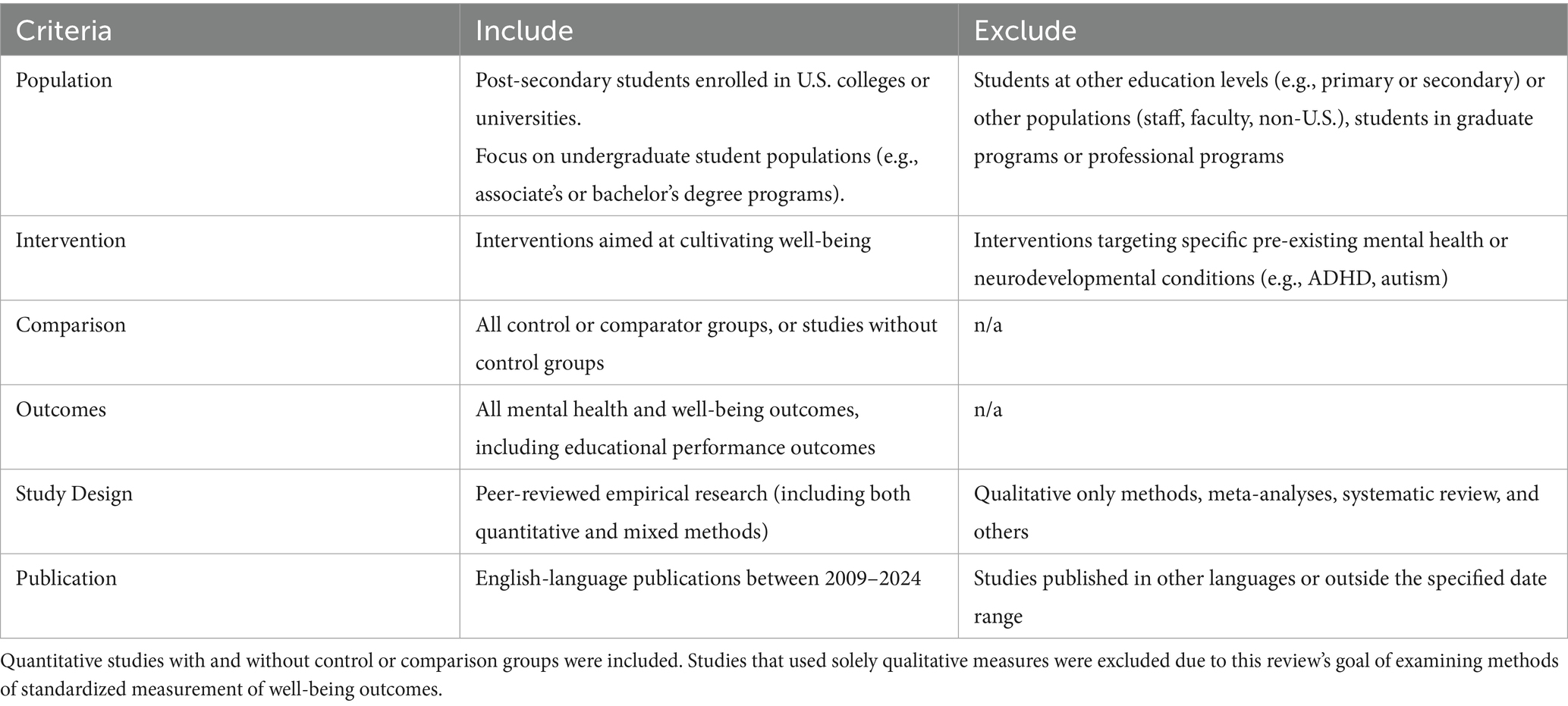
Table 1. Inclusion and exclusion criteria.
2.1 Search strategy
Databases utilized in the search included Google Scholar, PubMed, ERIC, and PsycINFO. A combination of several search terms were used via the advanced search options and Boolean operators. Specific search terms were: (1) Well-being interventions OR Mental-health interventions OR Well-being strategies OR Well-being campaigns OR Positive Psychology interventions OR Character Strength; (2) College OR University OR Higher Education OR Student; (3) US OR America. Search results appeared based on how closely the article matched the search terms and timeframe. The software Publish or Perish was used to download the first 1,000 relevant studies that appeared in the search results for each database then uploaded to Endnote for further screening. The total number of articles that were identified from each database can be seen in Figure 1. Any duplicates within databases and between databases were eliminated before screening in Endnote.
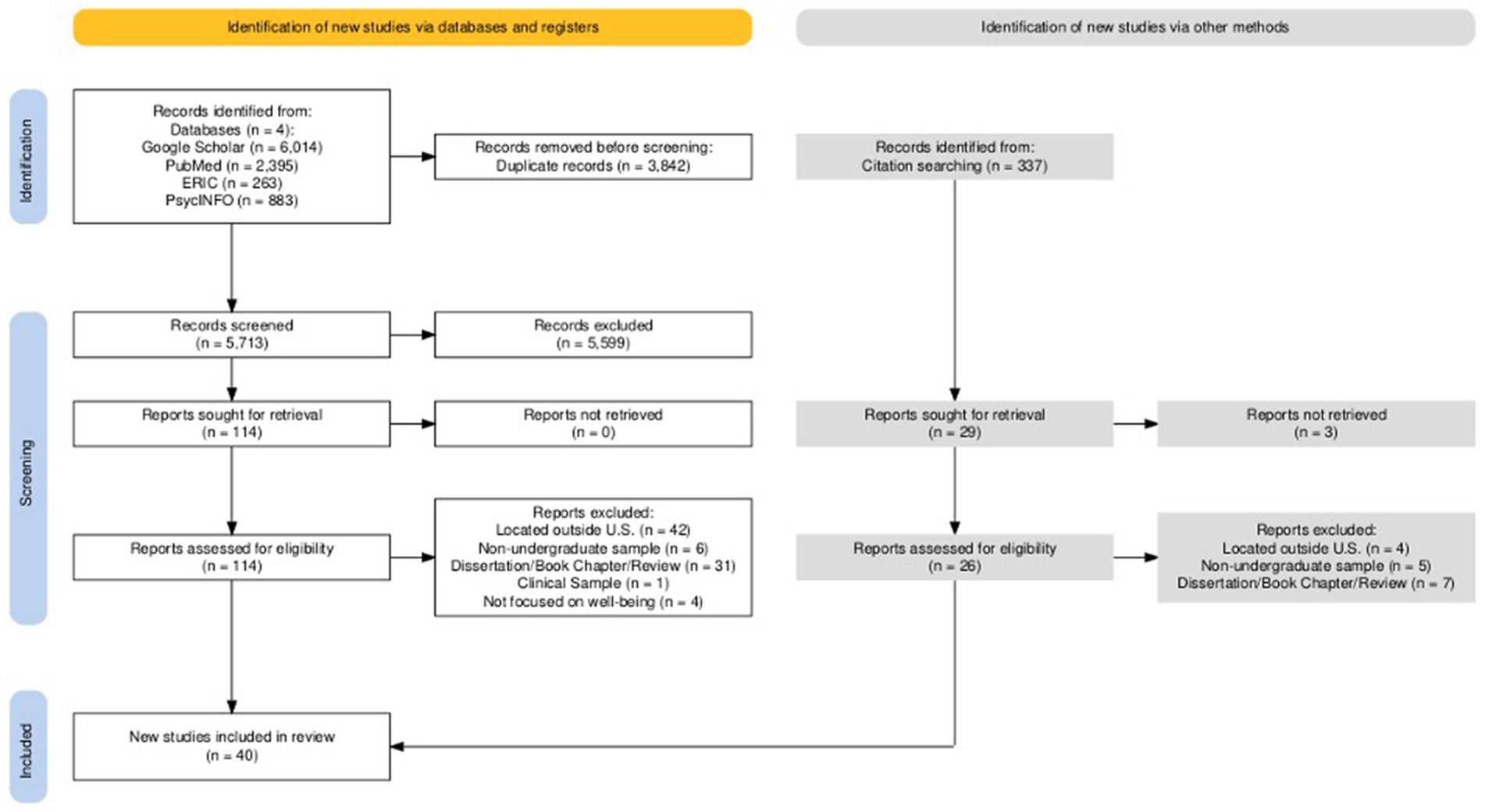
Figure 1. PRISMA 2020 flow diagram for new scoping reviews which included searches of databases and other sources (Page et al., 2021). Diagram generated by Haddaway et al. (2022).
2.2 Study screening and selection
To identify eligible studies from the original search, two reviewers first screened and eliminated any studies with exclusion criteria present in the titles and abstracts. If abstracts met inclusion criteria, papers were sought for retrieval and read and analyzed for eligibility. At this stage, reviewers referenced the exclusion criteria to determine whether to include a study. Studies eligible for the review were included in the study for data extraction (see Figure 1). Other extraction methods utilized by the reviewers included searching through citations in reference sections of included articles. Similar to the database procedure, reviewers screened titles and abstracts of the referenced articles to determine if the article met eligibility. If the article passed the first screening, the reviewers sought the full text for retrieval to read. Reports were excluded based on inclusion and exclusion criteria in Table 1. In total, 30 articles were determined eligible for data extraction from databases, and 10 articles were eligible from citation searching.
2.3 Data extraction
Data were extracted independently by three reviewers using a standardized and piloted data extraction form, in accordance with PRISMA guidelines (2021). For each included study, the following information was recorded: publication details (authors and year), sample size, study duration, intervention type, outcome measures, and educational context (curricular/co-curricular). Interventions were additionally coded for delivery method (e.g., in-person, online, hybrid), theory of well-being/focus of the study, whether the intervention was part of an Institutional initiative, study design [randomized control trial (RCT), pre-post, or quasi experimental], and positive intervention effects.
A secondary data extraction phase was conducted to capture contextual and theoretical dimensions. Extracted variables included the presence and specification of a well-being theory or definition, the stated focus of the intervention (e.g., emotional, social, academic), the educational context (e.g., curricular, co-curricular), institutional context and support mechanisms (e.g., administrative leadership, faculty involvement), and whether the study reported external funding.
Discrepancies in data extraction were resolved through discussion among the reviewers, with consensus reached in all cases.
3 Results
A total of 40 empirical studies met the inclusion criteria, all conducted in the United States and focused exclusively on undergraduate student populations (details see Table 2). While the studies employed a variety of research designs—including randomized controlled trials, quasi-experimental methods, and pre–post intervention models—they all aimed to assess the effectiveness of one or more well-being or mental health interventions. Table 2 provides an overview of each study, detailing intervention types, sample size, study designs, outcome measures, outcomes, settings of integration into the undergraduate context, use of well-being-related theories or researcher-defined constructs, and whether the intervention was part of a broader institutional well-being framework or initiative. Summaries of the findings are organized below according to the five guiding research questions.
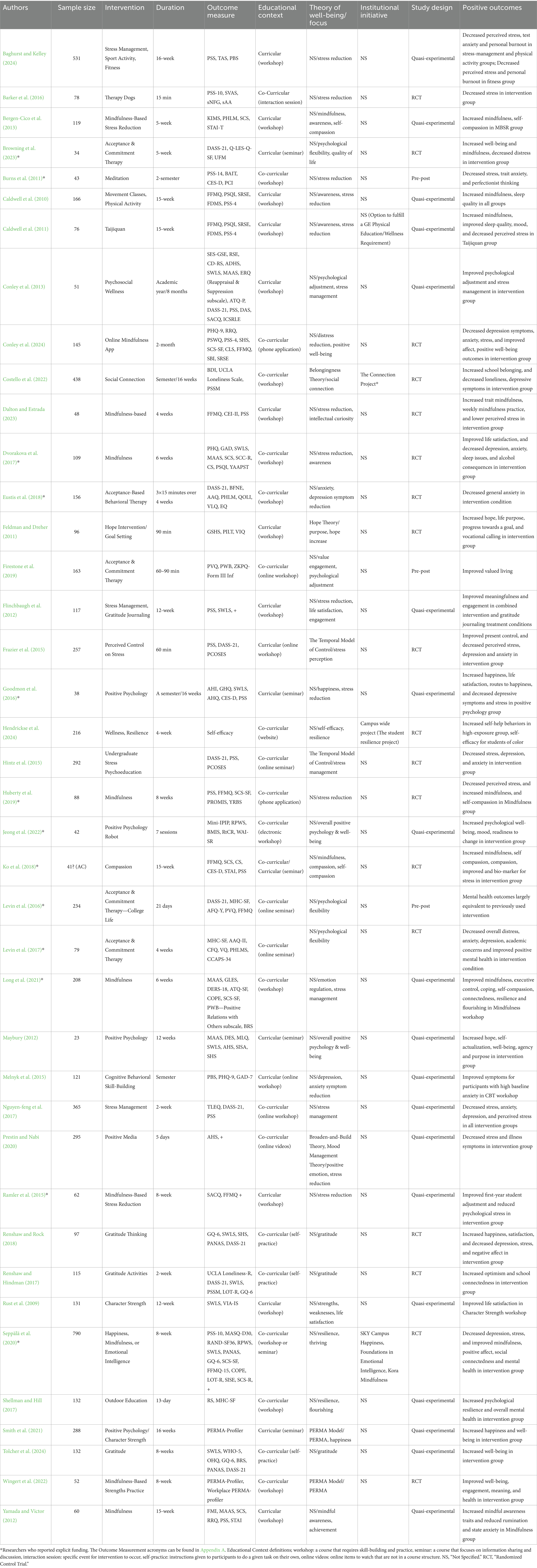
Table 2. Summary of interventions and outcomes in well-being studies.
3.1 How well-being is defined and operationalized
Across the reviewed literature, well-being was operationalized using a variety of psychological constructs and psychometric instruments. Only seven studies (17.5%) explicitly referenced a published theory of well-being or a theoretical framework related to a specific construct of well-being. The majority, however, lacked a clear or in-depth definition of well-being, often relying on vague or generalized descriptions. Stress reduction emerged as a central aim in at least nine studies, typically assessed through standardized tools such as the Perceived Stress Scale (PSS) and the Depression Anxiety Stress Scales (DASS-21) (e.g., Baghurst and Kelley, 2024; Barker et al., 2016; Frazier et al., 2015; Hintz et al., 2015). Psychological well-being was commonly measured using instruments like the Scales of Psychological Well-Being (SPWB), the Mental Health Continuum–Short Form (MHC-SF), and assessments of positive affect and functioning, including the Satisfaction with Life Scale (SWLS) and the Oxford Happiness Questionnaire (OHQ) (e.g., Levin et al., 2016; Renshaw and Rock, 2018; Tolcher et al., 2024).
Several studies define well-being as “resilience and flourishing”(e.g., Seppälä et al., 2020; Shellman and Hill, 2017). Additional constructs linked to well-being included hope (Feldman and Dreher, 2011), self-efficacy (Hendrickse et al., 2024), resilience (Shellman and Hill, 2017), engagement and meaning (Flinchbaugh et al., 2012), and flourishing. Two studies (e.g., Smith et al., 2021; Wingert et al., 2022) explicitly operationalized flourishing within Seligman’s PERMA framework (2011), which emphasizes Positive Emotions, Engagement, Relationships, Meaning, and Achievement. These dimensions were typically assessed using validated instruments, including the PERMA-Profiler, the Gratitude Questionnaire (GQ-6), and the Connor-Davidson Resilience Scale, among others.
Mindfulness was frequently conceptualized as both a dimension and a predictor of well-being. Relevant studies utilized validated measures such as the Kentucky Inventory of Mindfulness Skills (KIMS), the Five Facet Mindfulness Questionnaire (FFMQ), and the Mindful Attention Awareness Scale (MAAS) (e.g., Bergen-Cico et al., 2013; Long et al., 2021; Yamada and Victor, 2012). Notably, studies focused on mindfulness were among those most likely to omit an explicit definition or theoretical framing of well-being.
To structure the scope of interventions, they can be generally classified into six overarching categories:
1. Psychoeducation and psychotherapy (e.g., Cognitive Behavioral Therapy, Acceptance and Commitment Therapy) (n = 10 studies, 25%);
2. Goal-setting and behavior change (n = 1 study, 2%);
3. Mindfulness and meditation-based interventions (n = 7 studies, 17%);
4. Positive psychology interventions (e.g., gratitude, character strengths, resilience-building) (n = 11 studies, 27%);
5. Interpersonal interventions (e.g., social connection, communication skills) (n = 2 studies, 5%); and
6. Physical or mind–body approaches (e.g., yoga, exercise, breathing techniques) (n = 4 studies, 10%).
Several additional studies employed unique methodologies that do not align neatly with the primary intervention categories (e.g., Barker et al., 2016). In some cases, studies span multiple categories or could be reasonably classified under more than one domain (e.g., Baghurst and Kelley, 2024; Conley et al., 2024).
3.2 What constitutes a well-being or mental health intervention
The reviewed interventions varied in theoretical orientation, format, and duration. Mindfulness-based interventions—including MBSR, mindfulness training, and app-based formats—were among the most frequently implemented, ranging in duration from 4 to 15 weeks (e.g., Bergen-Cico et al., 2013; Huberty et al., 2019; Yamada and Victor, 2012).
Acceptance and Commitment Therapy (ACT) was another prevalent approach, delivered through seminars and online formats over periods ranging from three sessions to several weeks (e.g., Browning et al., 2023; Firestone et al., 2019; Levin et al., 2017).
Stress management interventions included psychoeducational workshops, sport and fitness programs, and gratitude journaling, with durations from a single session to full-semester implementations (e.g., Baghurst and Kelley, 2024; Flinchbaugh et al., 2012; Nguyen-Feng et al., 2017).
Positive psychology approaches also featured prominently, emphasizing strengths, positive emotions, and happiness through in-person and online formats (e.g., Goodmon et al., 2016; Jeong et al., 2022; Tolcher et al., 2024). Other unique formats included interactions with therapy dogs (Barker et al., 2016), movement-based classes like Taijiquan (Caldwell et al., 2011), and positive media consumption (Prestin and Nabi, 2020).
3.3 How interventions are integrated into the undergraduate experience
Well-being interventions were integrated into the undergraduate experience through both curricular and co-curricular pathways. Curricular approaches included workshops and seminars embedded within course offerings or general education requirements (e.g., Baghurst and Kelley, 2024; Caldwell et al., 2010; Feldman and Dreher, 2011). Co-curricular interventions spanned a wide range of formats, from structured workshops to app-based programs and self-directed practices (e.g., Huberty et al., 2019; Renshaw and Hindman, 2017).
Several interventions were situated within broader institutional programs, such as The Connection Project, which focused on fostering a sense of belonging (Costello et al., 2022), and The Student Resilience Project, which aimed to strengthen self-efficacy (Hendrickse et al., 2024). Other initiatives—including SKY Campus Happiness, Kora Mindfulness, and Foundations in Emotional Intelligence—reflected campus-wide efforts to promote student well-being through institutional investment (Seppälä et al., 2020).
Of the 40 interventions reviewed, 14 (35%) were embedded within the academic curriculum, with participation linked to course credit or fulfillment of curricular requirements. Two additional interventions, while co-curricular in design, also offered course credit (e.g., Dalton and Estrada, 2023; Ko et al., 2018).
A few studies explicitly recommended integrating well-being initiatives into the curriculum (e.g., Browning et al., 2023; Conley et al., 2013; Smith et al., 2021), citing benefits such as enhanced legitimacy, greater scalability, and stronger alignment with institutional learning outcomes. In addition, four studies emphasized the advantages of web-based delivery, highlighting its flexibility, accessibility, and capacity for broad institutional implementation. The majority of the remaining interventions were co-curricular and typically facilitated through student affairs offices or campus counseling centers.
3.4 How outcomes are assessed and whether they align with intervention goals
A diverse range of outcome measures was used across the studies, reflecting the multifaceted nature of well-being interventions. These included:
• Psychological assessments, such as the Generalized Anxiety Disorder Scale (GAD), Perceived Stress Scale (PSS), and Flourishing Scale
• Physical health measures, including the Pittsburgh Sleep Quality Index (PSQI) and Youth Risk Behavior Surveillance System (YRBSS)
• Biometric and physiological indicators, such as heart rate variability and cortisol levels
• Researcher-developed instruments designed to assess specific goals unique to each intervention
A comprehensive list of validated instruments used across studies is provided in Supplementary material.
In most cases, outcome assessments were well aligned with the stated goals of the interventions. Stress-reduction programs commonly used tools like the Perceived Stress Scale (PSS) and Depression, Anxiety, and Stress Scale (DASS-21) to track changes in perceived stress and emotional distress (e.g., Barker et al., 2016; Hintz et al., 2015). Mindfulness-based interventions often measured skill development using instruments such as the Kentucky Inventory of Mindfulness Skills (KIMS), Five Facet Mindfulness Questionnaire (FFMQ), and Mindful Attention Awareness Scale (MAAS) (e.g., Caldwell et al., 2010; Ramler et al., 2015).
Programs aimed at enhancing overall well-being tended to employ broader assessments, including the Mental Health Continuum–Short Form (MHC-SF), Satisfaction with Life Scale (SWLS), and Oxford Happiness Questionnaire (OHQ) (e.g., Renshaw and Rock, 2018; Tolcher et al., 2024). Targeted constructs such as social connectedness, hope, and self-efficacy were measured using tools like the UCLA Loneliness Scale, Trait Hope Scale, and General Self-Efficacy Scale (e.g., Costello et al., 2022; Feldman and Dreher, 2011; Hendrickse et al., 2024).
Several studies employed multiple outcome measures to capture broader effects beyond the intervention’s primary focus. For example, a stress-reduction program might also assess student engagement or sense of meaning in life (Flinchbaugh et al., 2012).
3.5 What strategies support the implementation and sustainability of well-being initiatives, particularly regarding institutional frameworks and funding
Sustainability emerged as an underexplored aspect in the reviewed literature. Of the 40 studies, only 11 (27.5%) explicitly reported a funding source—primarily research grants—indicating limited evidence of ongoing institutional support. Few studies addressed long-term implementation plans, integration into existing campus infrastructure, or mechanisms for sustained funding and evaluation.
Implementation strategies and institutional frameworks were largely absent or only implicitly described. Only two studies clearly positioned their interventions within broader, university-wide initiatives—The Connection Project (Costello et al., 2022) and The Student Resilience Project (Hendrickse et al., 2024). Other programs, such as SKY Campus Happiness and Foundations in Emotional Intelligence, may suggest sustained institutional partnerships and funding commitments, though these connections were not always explicitly detailed (Seppälä et al., 2020).
One explicitly noted that their interventions were part of a general education wellness requirement (e.g., Caldwell et al., 2011), suggesting that well-being content had been formally integrated into the curriculum. Such curricular embedding not only enhances legitimacy but also facilitates more sustainable implementation.
A few interventions demonstrated strategic targeting of key student populations—such as first-year students (e.g., Melnyk et al., 2015)—as a way to support early adjustment and retention. Additionally, the adoption of scalable formats, including mobile apps, online workshops, and web-based platforms, was evident in several studies (e.g., Conley et al., 2024; Firestone et al., 2019), signaling a growing emphasis on accessibility and long-term sustainability.
4 Discussion
This scoping review is the first to systematically examine empirical well-being interventions developed specifically for undergraduate students in U.S. higher education between 2009 and 2024 through the lens of Positive Higher Education. As proposed in this paper, Positive Higher Education represents an emerging perspective that positions student well-being as a central institutional outcome—complementary to traditional academic goals. Aligned with the values of American liberal arts education, this perspective emphasizes holistic development, encompassing intellectual, emotional, social, and ethical domains.
The findings of this review underscore both the progress and the persistent limitations in the landscape of well-being interventions in U.S. undergraduate education. A key strength emerging from the 40 studies is the remarkable diversity of intervention types and delivery formats, reflecting a growing recognition of well-being as a multifaceted construct. Interventions spanned mindfulness, cognitive-behavioral therapies, positive psychology exercises, physical activity, and social connection strategies—offering a broad array of tools that institutions can adapt to varied campus contexts and student needs. These findings align with recent systematic reviews that affirm the efficacy of a variety of interventions (Barnett et al., 2021; Conley et al., 2015, 2016, 2017; Fenton et al., 2018; Winzer et al., 2017, 2018). Among the studies covered in the current review, many demonstrated a thoughtful alignment between their intended outcomes and the measures employed, suggesting a maturing field that is attentive to methodological rigor. The use of validated psychometric instruments and, in some cases, physiological and behavioral markers, provided robust evidence of the effectiveness of these interventions, particularly in reducing stress and enhancing psychological well-being. Moreover, the incorporation of digital platforms, mobile and even robotic applications, reflects a promising trend toward scalable, accessible solutions that meet students where they are.
At the same time, several notable gaps limit the broader impact and generalizability of this body of research. Chief among these is the conceptual ambiguity surrounding the definition of well-being, echoing the findings of other reviews (du Toit et al., 2022; Dodd et al., 2021). More than half of the studies lacked a clear or theoretically grounded definition, often defaulting to stress reduction or symptom relief as proxies. This absence of a unifying conceptual framework hinders cross-study comparisons and slows the development of a coherent, evidence-based approach to Positive Higher Education. While a handful of studies employed a well-being model such as PERMA (Seligman, 2011), or a framework related to a specific construct like hope theory (Snyder et al., 2002), these were exceptions rather than the norm.
Furthermore, although some interventions were embedded in academic courses or linked to curricular requirements—enhancing their legitimacy and reach—the majority remained co-curricular and peripheral to the academic core. Curricular interventions simultaneously offer broader incentives for students to enroll while increasing institutional sustainability. Well-being content can be meaningfully integrated into teaching and learning, but doing so requires cultural and structural shifts that may be difficult to enact within decentralized, discipline-driven university environments. If the goal of the Positive Higher Education paradigm is for every student to demonstrate knowledge, skills, attitudes, or aptitudes related to well-being—and for these to be recognized as essential outcomes of higher education—then determining where and how this content is most appropriately embedded becomes an important and pressing discussion.
A final and critical limitation lies in the limited attention to institutionalization and sustainability. Organizational barriers at undergraduate universities can make it difficult to implement these new well-being initiatives. These may include faculty burnout, a crowded curriculum with no space for new classes, and/or resource constraints that preclude the adoption of new costly interventions. Indeed, few studies described long-term funding mechanisms, strategic alignment with institutional priorities, or integration into broader campus frameworks. Without these supports, even effective interventions risk being short-lived or siloed. Although some promising examples—such as The Connection Project (Costello et al., 2022) and the Student Resilience Project (Hendrickse et al., 2024)—demonstrate the potential of institutionally backed initiatives, these remain relatively rare. Future research should not only continue to explore the efficacy of interventions but also attend more fully to questions of scalability, policy integration, and systemic change. A more cohesive research agenda grounded in positive education principles, and sensitive to the organizational realities of higher education, will be essential for realizing the full potential of well-being as a central aim of undergraduate education.
4.1 Practical implications
Drawing from the findings of this scoping review, several implications can guide research, practice, and policy through the lens of Positive Higher Education. First, institutions should strive for holistic educational outcomes that integrate academic achievement with personal development, character formation, and student flourishing. This broader vision of higher education supports not only cognitive growth but also emotional, social, and ethical development—and, in the context of American higher education, aligns closely with the values and aims of the liberal arts college model.
Second, the adoption of a strengths-based approach is critical. Interventions should be designed to help students identify, develop, and apply their individual strengths, fostering greater engagement, intrinsic motivation, and psychological resilience. In addition, well-being literacy should be considered a core educational competency. All students should graduate with a foundational understanding of well-being, including the skills, attitudes, and dispositions necessary to sustain their own and others’ flourishing in personal, academic, and professional domains.
Lastly, a systems-level perspective is necessary for integrated implementation. Well-being should be embedded across curriculum design, pedagogy, co-curricular activities, institutional structures, and policy. Such integration enables institutions to transition from fragmented, reactive programming to cohesive, proactive strategies that promote well-being as a shared and sustained institutional responsibility.
These principles offer a conceptual foundation for future scholarship and a practical framework for institutional planning and assessment, supporting a comprehensive and inclusive approach to student well-being in higher education.
4.2 Limitations and future directions
While this review provides a valuable synthesis of well-being interventions in U.S. undergraduate education, several limitations should be acknowledged. The exclusive focus on empirical studies within the United States limits the generalizability of findings to international and cross-cultural contexts. To contextualize these findings, it is important to note that the U.S. higher education system’s unique student culture—shaped in part by its emphasis on general education and liberal arts curricula—and its decentralized institutional structures differ significantly from those in other regions, such as Asia and Europe, thereby influencing how well-being interventions are conceptualized, designed, and implemented. Additionally, the exclusion of non-empirical sources—such as institutional policy documents, planning frameworks, and gray literature—constrains our understanding of system-level strategies for embedding well-being in higher education.
As a scoping review, this study is limited in its scope by design, focusing on the conceptualization, operationalization, and measurement of well-being rather than evaluating the methodological quality or efficacy of individual interventions. The findings from included studies were mapped and summarized but not critically appraised, analyzed for effectiveness, or synthesized through meta-analytic techniques. While enhancing the efficacy of well-being interventions in higher education is an important area for future inquiry, such analysis falls outside the aims and methodological parameters of this review. Further research employing rigorous evaluative frameworks is warranted to assess intervention effectiveness and inform evidence-based practice.
Another limitation is the predominance of short-term, small-scale studies. Study design has important implications for determining causality. Specifically, more confidence can be placed in the effectiveness of an intervention if there is a control group and randomization. It is less clear if the intervention itself led to improvements in student well-being when these study design factors are missing. In addition, few interventions were evaluated over extended timeframes or implemented at the institutional level, which limits insight into the sustainability, scalability, and long-term outcomes of these efforts. To address this gap, a follow-up qualitative study is currently underway, examining case studies of institutions that have formally adopted well-being as a strategic objective. This research explores how well-being is conceptualized, measured, and operationalized across governance, curriculum, student services, and faculty development.
A key recommendation arising from this review is the need for a Positive Higher Education Implementation Toolkit—a resource to guide institutions in embedding well-being into the core of university operations. This toolkit should include: (1) a clearly defined yet adaptable framework for Positive Higher Education; (2) design and evaluation guidelines for interventions; (3) a curated set of validated measurement instruments; (4) examples of curricular, co-curricular, and institutional best practices; and (5) strategies for long-term sustainability, stakeholder engagement, and policy alignment. The creation of such a toolkit could be undertaken by a collaborative group of scholars and practitioners, ideally supported by the International Positive Education Network in partnership with other leading organizations. This recommendation is informed in part by the Healthy Minds Network’s current initiative to develop a “repository of what works” for student mental health in higher education.1 A Positive Higher Education Toolkit would complement such efforts by offering a broader, integrative approach, supporting institutions in conceptualizing and operationalizing well-being as a core dimension of their educational mission.
In parallel, there is an urgent need for national organizations and initiatives—such as the Okanagan Charter (2015) and Bringing Theory to Practice—to reexamine their foundational policy frameworks in light of shifting student demographics, increasing mental health concerns, and an evolving global geopolitical landscape. The findings of this review call for a deeper collective reflection and system-wide dialogue, among students, staff, faculty, administrators, and policy makers, around the role of well-being in higher education. Beyond isolated programs or interventions, institutions must consider what it truly means to position well-being as a core educational outcome—on par with disciplinary knowledge, critical thinking, and civic responsibility.
5 Conclusion
This scoping review contributes to the growing literature on student well-being by offering a targeted synthesis of empirical well-being interventions in U.S. undergraduate education, interpreted through the lens of Positive Higher Education. While the field has expanded significantly over the past decade, the findings reveal persistent challenges—particularly around conceptual coherence, consistent measurement, and systemic implementation.
Looking forward, there is a clear need for coordinated, theory-informed approaches that embed well-being as a central educational priority. To support this evolution, we advocate for the creation of a Positive Higher Education Implementation Toolkit to guide institutions in designing, integrating, and evaluating well-being initiatives. Such a resource would help transform isolated efforts into strategic, institution-wide practices aligned with contemporary student needs and the educational mission of higher education.
As colleges and universities navigate ongoing challenges and shifting expectations, this is a pivotal moment to elevate well-being from a peripheral concern to a central institutional commitment—grounded in evidence, informed by theory, and guided by a vision of higher education that places human flourishing at its core.
Author contributions
GZ: Writing – original draft, Formal analysis, Project administration, Methodology, Validation, Investigation, Supervision, Writing – review & editing, Conceptualization. MZ: Validation, Conceptualization, Methodology, Writing – original draft, Writing – review & editing. CB: Validation, Investigation, Data curation, Writing – review & editing, Formal analysis, Writing – original draft. AR: Validation, Writing – original draft, Data curation, Investigation, Methodology, Writing – review & editing, Formal analysis. NM: Project administration, Methodology, Validation, Supervision, Writing – original draft, Funding acquisition, Writing – review & editing.
Funding
The author(s) declare that financial support was received for the research and/or publication of this article. This work was supported by the Department of Education (Institute of Mental Health and Psychological Well-being P116Z230100).
Acknowledgments
The authors thank Anna Christie for her assistance with article review and reference management.
Conflict of interest
The authors declare that the research was conducted in the absence of any commercial or financial relationships that could be construed as a potential conflict of interest.
Generative AI statement
The authors declare that no Gen AI was used in the creation of this manuscript.
Any alternative text (alt text) provided alongside figures in this article has been generated by Frontiers with the support of artificial intelligence and reasonable efforts have been made to ensure accuracy, including review by the authors wherever possible. If you identify any issues, please contact us.
Publisher’s note
All claims expressed in this article are solely those of the authors and do not necessarily represent those of their affiliated organizations, or those of the publisher, the editors and the reviewers. Any product that may be evaluated in this article, or claim that may be made by its manufacturer, is not guaranteed or endorsed by the publisher.
Supplementary material
The Supplementary material for this article can be found online at: https://www.frontiersin.org/articles/10.3389/fpsyg.2025.1601955/full#supplementary-material
Footnotes
References
American College Health Association. (2021). ACHA-NCHA III: reference group executive summary fall 2020 [report]. Available online at: https://www.acha.org/wp-content/uploads/2024/07/NCHA-III_Fall_2020_Reference_Group_Executive_Summary.pdf (Accessed February 26, 2025).
American College Health Association. (2022) ACHA-NCHA III: Reference group executive summary fall 2021 [Report]. Available online at: https://www.acha.org/wp-content/uploads/2024/07/NCHA-III_FALL_2021_REFERENCE_GROUP_EXECUTIVE_SUMMARY.pdf (Accessed February 26, 2025).
American College Health Association. (2023). ACHA-NCHA III: Reference group executive summary fall 2022 [Report]. Available online at: https://www.acha.org/wp-content/uploads/2024/07/NCHA-III_FALL_2022_REFERENCE_GROUP_EXECUTIVE_SUMMARY.pdf (Accessed February 26, 2025).
American College Health Association. (2024) ACHA-NCHA III: Reference group executive summary fall 2023 [Report]. Available online at: https://www.acha.org/wp-content/uploads/2024/06/NCHA-IIIb_FALL_2023_REFERENCE_GROUP_EXECUTIVE_SUMMARY.pdf (Accessed February 26, 2025).
American College Health Association. (2025). ACHA-NCHA III: Reference group executive summary fall 2024 [Report]. Available online at: https://www.acha.org/wp-content/uploads/NCHA-IIIb_FALL_2024_REFERENCE_GROUP_EXECUTIVE_SUMMARY.pdf (Accessed February 26, 2025).
Baghurst, T., and Kelley, B. C. (2024). An examination of stress in college students over the course of a semester. Health Promot. Pract. 15, 438–447. doi: 10.1177/1524839913510316
Barker, S. B., Barker, R. T., McCain, N. T., and Schubert, C. M. (2016). A randomized cross-over exploratory study of the effect of visiting therapy dogs on college student stress before final exams. Anthrozoös 29, 35–46. doi: 10.1080/08927936.2015.1069988
Barnett, P., Arundell, L. L., Saunders, R., Matthews, H., and Pilling, S. (2021). The efficacy of psychological interventions for the prevention and treatment of mental health disorders in university students: A systematic review and meta-analysis. Journal of Affective Disorders, 280, 381–406. doi: 10.1016/j.jad.2020.10.060
Bergen-Cico, D., Possemato, K., and Cheon, S. (2013). Examining the efficacy of a brief mindfulness-based stress reduction (brief MBSR) program on psychological health. J. Am. Coll. Heal. 61, 348–360. doi: 10.1080/07448481.2013.813853
Browning, M. E., Lloyd-Richardson, E. E., Trisal, A. V., Kelleher, V. G., Kayyal, M. H., and Schierberl, S. A. E. (2023). Wellbeing Wednesdays: a pilot trial of acceptance and commitment therapy embedded in a freshman seminar. Cogn. Behav. Ther. 16, 1–26. doi: 10.1017/S1754470X23000193
Burns, J. L., Lee, R. M., and Brown, L. J. (2011). The effects of meditation on self-reported measures of stress, anxiety, depression, and perfectionism in a college population. J. Coll. Stud. Psychother. 25, 132–144. doi: 10.1080/87568225.2011.556947
Caldwell, K., Emery, L., Harrison, M., and Greeson, J. (2011). Changes in mindfulness, well-being, and sleep quality in college students through taijiquan courses: a cohort control study. J. Altern. Complement. Med. 17, 931–938. doi: 10.1089/acm.2010.0645
Caldwell, K., Harrison, M., Adams, M., Quin, R. H., and Greeson, J. (2010). Developing mindfulness in college students through movement-based courses: effects on self-regulatory self-efficacy, mood, stress, and sleep quality. J. Am. Coll. Heal. 58, 433–442. doi: 10.1080/07448480903540481
Conley, C. S., Durlak, J. A., and Kirsch, A. C. (2015). A meta-analysis of universal mental health prevention programs for higher education students. Prev. Sci. 16, 487–507. doi: 10.1007/s11121-015-0543-1
Conley, C. S., Durlak, J. A., Shapiro, J. B., Kirsch, A. C., and Zahniser, E. (2016). A meta-analysis of the impact of universal and indicated preventive technology-delivered interventions for higher education students. Prev. Sci. 17, 659–678. doi: 10.1007/s11121-016-0662-3
Conley, C. S., Gonzales, C. H., Huguenel, B. M., Rauch, A. A., Kahrilas, I. J., Duffecy, J., et al. (2024). Benefits of a technology-delivered mindfulness intervention for psychological distress and positive wellbeing in depressed college students: Post-intervention and follow-up effects from an RCT. Mindfulness, 15, 1739–1758.
Conley, C. S., Shapiro, J. B., Kirsch, A. C., and Durlak, J. A. (2017). A meta-analysis of indicated mental health prevention programs for at-risk higher education students. J. Couns. Psychol. 64, 121–140. doi: 10.1037/cou0000190
Conley, C. S., Travers, L. V., and Bryant, F. B. (2013). Promoting psychosocial adjustment and stress management in first-year college students: The benefits of engagement in a psychosocial wellness seminar. Journal of American College Health, 61, 75–86.
Costello, M. A., Nagel, A. G., Hunt, G. L., Rivens, A. J., Hazelwood, O. A., Pettit, C., et al. (2022). Facilitating connection to enhance college student well-being: evaluation of an experiential group program. Am. J. Community Psychol. 70, 314–326. doi: 10.1002/ajcp.12601
Dalton, E., and Estrada, T. (2023). Implementation and feasibility of a group mindfulness intervention for undergraduate engineering students. Adv. Eng. Educ. 11, 53–76. doi: 10.18260/3-1-1153-36040
Dodd, A. L., Priestley, M., Tyrrell, K., Cygan, S., Newell, C., and Byrom, N. C. (2021). University student well-being in the United Kingdom: a scoping review of its conceptualisation and measurement. Int. J. Ment. Health Promot. 23, 161–178. doi: 10.1080/09638237.2021.1875419
Dodge, R., Daly, A., Huyton, J., and Sanders, L. (2012). The challenge of defining wellbeing. Int. J. Wellbeing 2, 222–235. doi: 10.5502/ijw.v2i3.4
du Toit, A., Thomson, R., and Page, A. (2022). A systematic review and meta-analysis of longitudinal studies of the antecedents and consequences of wellbeing among university students. Int. J. Wellbeing 12, 163–206. doi: 10.5502/ijw.v12i2.1897
Dvorakova, K., Kishida, M., Li, J., Elavsky, S., Broderick, P. C., Agrusti, M. R., et al. (2017). Promoting healthy transition to college through mindfulness training with first-year college students: pilot randomized controlled trial. J. Am. Coll. Heal. 65, 259–267. doi: 10.1080/07448481.2017.1278605
Eustis, E. H., Hayes-Skelton, S. A., Orsillo, S. M., and Roemer, L. (2018). Surviving and thriving during stress: a randomized clinical trial comparing a brief web-based therapist-assisted acceptance-based behavioral intervention versus waitlist control for college students. Behav. Ther. 49, 889–903. doi: 10.1016/j.beth.2018.05.009
Feldman, D. B., and Dreher, D. E. (2011). Can hope be changed in 90 minutes? Testing the efficacy of a single-session goal-pursuit intervention for college students. J. Happiness Stud. 13, 745–759. doi: 10.1007/s10902-011-9292-4
Fenton, L., White, C., Hamilton-Hinch, B., and Gilbert, R. (2018). The impacts of recreation programs on the mental health of postsecondary students in North America: an integrative review. Leis. Sci. 40, 442–462. doi: 10.1080/01490400.2018.1483851
Finley, A. (2016). Well-being: an essential outcome for higher education. Change 48, 14–19. doi: 10.1080/00091383.2016.1163163
Firestone, J., Cardaciotto, L., Levin, M. E., Goldbacher, E., Vernig, P., and Gambrel, L. E. (2019). A web-based self-guided program to promote valued-living in college students: a pilot study. J. Contextual Behav. Sci. 12, 29–38. doi: 10.1016/j.jcbs.2019.01.004
Flinchbaugh, C. L., Moore, E. W. G., Chang, Y. K., and May, D. R. (2012). Student well-being interventions: the effects of stress management techniques and gratitude journaling in the management education classroom. J. Manage. Educ. 36, 191–219. doi: 10.1177/1052562911430062
Frazier, P., Meredith, L., Greer, C., Paulsen, J. A., Howard, K., Dietz, L. R., et al. (2015). Randomized controlled trial evaluating the effectiveness of a web-based stress management program among community college students. Anxiety Stress Coping 28, 576–586. doi: 10.1080/10615806.2014.987666
Gilmore, A. H., McNeilage, A. G., and Ashton-James, C. E. (2025). A scoping review of factors associated with Australian university student wellbeing. Int. J. Wellbeing 15, 1–45. doi: 10.5502/ijw.v15i1.4063
Goodmon, L. B., Middleditch, A. M., Childs, B., and Pietrasiuk, S. E. (2016). Positive psychology course and its relationship to well-being, depression, and stress. Teach. Psychol. 43, 232–237. doi: 10.1177/0098628316649482
Haddaway, N. R., Page, M. J., Pritchard, C. C., and McGuinness, L. A. (2022). PRISMA2020: an R package and shiny app for producing PRISMA 2020-compliant flow diagrams, with interactivity for optimised digital transparency and open synthesis. Campbell Syst. Rev. 18:e1230. doi: 10.1002/cl2.1230
Hall, D. A., Juliana, J., Manickam, M., Sunil Singh, A. S. T., Wei, S. T. S., Vuong, P. A., et al. (2024). Contributions of positive psychology to higher education across Asia: a scoping review and unifying thematic framework. Asia Pac. Educ. Res. 33, 1275–1285. doi: 10.1007/s40299-023-00798-y
Hendrickse, J., Ray, E. C., Arpan, L., Perko, A., Bradley, L., Oehme, K., et al. (2024). Well-being on campus: testing the impact of a web-based intervention for resilience on first-year students. South Commun. J. 89, 41–53. doi: 10.1080/1041794X.2023.2250323
Hernández-Torrano, D., Ibrayeva, L., Sparks, J., Lim, N., Clementi, A., Almukhambetova, A., et al. (2020). Mental health and well-being of university students: a bibliometric mapping of the literature. Front. Psychol. 11:1226. doi: 10.3389/fpsyg.2020.01226
Hintz, S., Frazier, P. A., and Meredith, L. (2015). Evaluating an online stress management intervention for college students. J. Couns. Psychol. 62, 137–147. doi: 10.1037/cou0000014
Huberty, J., Green, J., Glissmann, C., Larkey, L., Puzia, M., and Lee, C. (2019). Efficacy of the mindfulness meditation mobile app calm to reduce stress among college students: randomized controlled trial. JMIR Mhealth Uhealth 7, e14273–e14239. doi: 10.2196/14273
Jeong, S., Aymerich-Franch, L., Arias, K., Alghowinem, S., Lapedriza, A., Picard, R., et al. (2022). Deploying a robotic positive psychology coach to improve college students’ psychological well-being. User Model User-adapt. Interact. 33, 571–615. doi: 10.1007/s11257-022-09337-8
Ko, C. M., Grace, F., Chavez, G. N., Grimley, S. J., Dalrymple, E. R., and Olson, L. E. (2018). Effect of seminar on compassion on student self-compassion, mindfulness and well-being: a randomized controlled trial. J. Am. Coll. Heal. 66, 537–545. doi: 10.1080/07448481.2018.1431913
Kristjánsson, K., and VanderWeele, T. J. (2024). The proper scope of education for flourishing. J. Philos. Educ. 59:qhae056. doi: 10.1093/jopedu/qhae056
Kruisselbrink Flatt, A. (2013). A suffering generation: six factors contributing to the mental health crisis in north American higher education. Coll. Q., 16:n1. Available online at: https://www.semanticscholar.org/paper/A-Suffering-Generation%3A-Six-Factors-Contributing-to-Flatt/d93fb4b89c803fc69f2d8951e49c8c6e3d4a3508
Levin, M. E., Haeger, J. A., Pierce, B. G., and Twohig, M. P. (2017). Web-based acceptance and commitment therapy for mental health problems in college students: a randomized controlled trial. Behav. Modif. 41, 141–162. doi: 10.1177/0145445516659645
Levin, M. E., Hayes, S. C., Pistorello, J., and Seeley, J. R. (2016). Web-based self-help for preventing mental health problems in universities. Comparing acceptance and commitment training to mental health education. J. Clin. Psychol. 72, 207–225. doi: 10.1002/jclp.22254
Lipson, S. K., Lattie, E. G., and Eisenberg, D. (2019). Increased rates of mental health service utilization by U.S. college students: 10-year population-level trends (2007–2017). Psychiatr. Serv. 70, 60–63. doi: 10.1176/appi.ps.201800332
Long, R., Halvorson, M., and Lengua, L. J. (2021). A mindfulness-based promotive coping program improves well-being in college undergraduates. Anxiety Stress Coping 34, 690–703. doi: 10.1080/10615806.2021.1895986
Maybury, K. K. (2012). The influence of a positive psychology course on student well-being. Teach. Psychol. 40, 62–65. doi: 10.1177/0098628312465868
Melnyk, B. M., Amaya, M., Szalacha, L. A., Hoying, J., Taylor, T., and Bowersox, K. (2015). Feasibility, acceptability, and preliminary effects of the COPE online cognitive-behavioral skill-building program on mental health outcomes and academic performance in freshmen college students: a randomized controlled pilot study. J. Child Adolesc. Psychiatr. Nurs. 28, 147–154. doi: 10.1111/jcap.12119
Merriam-Webster. (n.d.) Liberal education. In Merriam-Webster.com dictionary. Available online at: https://www.merriam-webster.com/dictionary/liberal%20education (Accessed October 15, 2024)
Nguyen-Feng, V. N., Greer, C. S., and Frazier, P. (2017). Using online interventions to deliver college student mental health resources. Evidence from randomized clinical trials. Psychol. Serv. 14, 481–489. doi: 10.1037/ser0000154
Oades, L. G., Robinson, P., Green, S., and Spence, G. B. (2011). Towards a positive university. J. Posit. Psychol. 6, 432–439. doi: 10.1080/17439760.2011.634828
Okanagan Charter. (2015). Okanagan Charter: an international charter for health-promoting universities and colleges. University of British Columbia. Available online at: https://president.media.uconn.edu/wp-content/uploads/sites/3778/2024/04/Okanagan_Charter_Oct_6_2015.pdf (Accessed October 15, 2024).
Page, M. J., McKenzie, J. E., Bossuyt, P. M., Boutron, I., Hoffmann, T. C., Mulrow, C. D., et al. (2021). The PRISMA 2020 statement: an updated guideline for reporting systematic reviews. BMJ (Clin. Res. ed.) 372:n71. doi: 10.1136/bmj.n71
Prestin, A., and Nabi, R. (2020). Media prescriptions: exploring the therapeutic effects of entertainment media on stress relief, illness symptoms, and goal attainment. J. Commun. 70, 145–170. doi: 10.1093/joc/jqaa001
Ramler, T. R., Tennison, L. R., and Lynch, J. (2015). Mindfulness and the college transition: the efficacy of an adapted mindfulness-based stress reduction intervention in fostering adjustment among first-year students. Mindfulness 7, 179–188. doi: 10.1007/s12671-015-0398-3
Renshaw, T. L., and Hindman, M. L. (2017). Expressing gratitude via instant communication technology: a randomized controlled trial targeting college students’ mental health. Ment. Health Prev. 7, 37–44. doi: 10.1016/j.mhp.2017.08.001
Renshaw, T. L., and Rock, D. K. (2018). Effects of a brief grateful thinking intervention on college students’ mental health. Ment. Health Prev. 9, 19–24. doi: 10.1016/j.mhp.2017.11.003
Rust, T., Diessner, R., and Reade, L. (2009). Strengths only or strengths and relative weaknesses? A preliminary study. J. Psychol. 143, 465–476. doi: 10.3200/JRL.143.5.465-476
Ryff, C. D. (1989). Happiness is everything, or is it? Explorations on the meaning of psychological well-being. J. Pers. Soc. Psychol. 57, 1069–1081. doi: 10.1037/0022-3514.57.6.1069
Seligman, M. E. (2011). Flourish: A visionary new understanding of happiness and well-being. New York: Free Press.
Seligman, M. E. P., and Adler, A. (2018). Positive education. Global happiness policy report, 52–73.
Seligman, M. E. P., and Csikszentmihalyi, M. (2020). Positive psychology: an introduction. Am. Psychol. 55, 5–14. doi: 10.1037/0003-066X.55.1.5
Seligman, M. E. P., Ernst, R. M., Gillham, J., Reivich, K., and Linkins, M. (2009). Positive education: positive psychology and classroom interventions. Oxf. Rev. Educ. 35, 293–311. doi: 10.1080/03054980902934563
Seppälä, E. M., Bradley, C., Moeller, J., Harouni, L., Nandamudi, D., and Brackett, M. A. (2020). Promoting mental health and psychological thriving in university students: a randomized controlled trial of three well-being interventions. Front. Psych. 11:590. doi: 10.3389/fpsyt.2020.00590
Shellman, A., and Hill, E. (2017). Flourishing through resilience: the impact of a college outdoor education program. J. Park. Recreat. Adm. 35, 59–68. doi: 10.18666/JPRA-2017-V35-I4-7779
Smith, B. W., Ford, C. G., Erickson, K., and Guzman, A. (2021). The effects of a character strength focused positive psychology course on undergraduate happiness and well-being. J. Happiness Stud. 22, 343–362. doi: 10.1007/s10902-020-00233-9
Snyder, C. R., Rand, K. L., and Sigmon, D. R. (2002). Hope theory: A member of the positive psychology family. In Handbook of positive psychology. Eds. C. R. Snyder and S. J. Lopez. Oxford University Press, 257–276.
Sweeting, H., Thomson, H., Wells, V., and Flowers, P. (2023). Evolution of ‘whole institution’ approaches to improving health in tertiary education settings: a critical scoping review. Res. Pap. Educ. 38, 661–689. doi: 10.1080/02671522.2021.1961302
Tolcher, K., Cauble, M., and Downs, A. (2024). Evaluating the effects of gratitude interventions on college student well-being. J. Am. Coll. Heal. 72, 1321–1325. doi: 10.1080/07448481.2022.2076096
White, M. A., and Kern, M. L. (2018). Positive education: learning and teaching for wellbeing and academic mastery. Int. J. Wellbeing 8, 1–17. doi: 10.5502/ijw.v8i1.588
Wingert, J. R., Jones, J. C., Swoap, R. A., and Wingert, H. M. (2022). Mindfulness-based strengths practice improves well-being and retention in undergraduates: a preliminary randomized controlled trial. J. Am. Coll. Heal. 70, 783–790. doi: 10.1080/07448481.2020.1764005
Winzer, R., Lindberg, L., Guldbrandsson, K., and Sidorchuk, A. (2018). Effects of mental health interventions for students in higher education are sustainable over time: a systematic review and meta-analysis of randomized controlled trials. PeerJ, 6:e4598. doi: 10.7717/peerj.4598
Winzer, R., Lindberg, L., Vernmark, A., and Wiklund Gustin, L. (2017). Sustainability of effects of interventions for mental ill-health and positive mental health in students in higher education: a systematic review and meta-analysis of randomised controlled trials. PeerJ 5:e4598.
Worsley, J., Pennington, A., and Corcoran, R. (2020). What interventions improve college and university students’ mental health and wellbeing? A review of review-level evidence. National Grey Literature Collection, 1–54.
Worsley, J. D., Pennington, A., and Corcoran, R. (2022). Supporting mental health and wellbeing of university and college students: a systematic review of review-level evidence of interventions. PLoS One 17:e0266725. doi: 10.1371/journal.pone.0266725
Yamada, K., and Victor, T. L. (2012). The impact of mindful awareness practices on college student health, well-being, and capacity for learning: a pilot study. Psychol. Learn. Train. 11, 139–145. doi: 10.2304/plat.2012.11.2.139
Keywords: well-being, higher education, positive education, positive higher education, well-being interventions
Citation: Zhao GX, Zhao MY, Bean CR, Robbins AS and Mahrer NE (2025) Well-being interventions in U.S. colleges: a scoping review from a positive higher education perspective. Front. Psychol. 16:1601955. doi: 10.3389/fpsyg.2025.1601955
Edited by:
Silvia Cristina da Costa Dutra, University of Zaragoza, SpainReviewed by:
Jacquelyn Cranney, University of New South Wales, AustraliaHazhira Qudsyi, Islamic University of Indonesia, Indonesia
Copyright © 2025 Zhao, Zhao, Bean, Robbins and Mahrer. This is an open-access article distributed under the terms of the Creative Commons Attribution License (CC BY). The use, distribution or reproduction in other forums is permitted, provided the original author(s) and the copyright owner(s) are credited and that the original publication in this journal is cited, in accordance with accepted academic practice. No use, distribution or reproduction is permitted which does not comply with these terms.
*Correspondence: Grace X. Zhao, Z3poYW9AbGF2ZXJuZS5lZHU=