 David L. Neumann
- School of Applied Psychology, Griffith University, Gold Coast, QLD, Australia
The way an athlete focuses their attention when lifting a weight has the potential to influence strength development during training and performance outcomes during competition. The effects of attentional focus strategies during weightlifting tasks was investigated through a systematic review. Major databases (SportDISCUS, PsycINFO, Scopus) were searched using key terms relevant to attentional focus and weightlifting and reference lists of identified articles were also searched. Following screening, 16 articles were retained for analysis. The review showed that researchers have recruited experienced and novice weightlifters of both genders in their studies, although male experienced weightlifters are the most commonly studied demographic. Weightlifting tasks have varied from bench press, biceps curls, squats, and leg extensions with some studies using measures of force production against a force plate. The predominant manipulations have been between internal-associative and external-associative foci. An external attentional focus has shown to be beneficial in terms of movement economy as reflected in a variety of outcome measures. The results are interpreted within the framework provided by the Constrained Action Hypothesis and more generally the advantages of an external attentional focus for motor skill learning. An external focus of attention promotes automatic control of actions, thus preventing the motor system being constrained by conscious cognitive control. Implications for informing training programs for athletes and for advising athletes to maximize performance during competition are discussed.
Introduction
The action of lifting a weighted apparatus is ubiquitus in sport and exercise. It is used during training to develop muscle strength, muscle mass, and joint strength. It is is also a competitive sport in its own right, as reflected in its Olympic Games status and the formation of national and international governing bodies. The sport of weightlifting requires lifts of the snatch and the clean and jerk with athletes aiming to lift the heavest weight for their division during competition. Other competitive events, often referred to as powerlifting, require the deadlift, squat, and bench press. Weightlifting is also a key component of training for other sports and as part of a physical exercise program. In these situations, there are a multitude of different types of lifts according to the muscles required, equipment used, and the speed, duration, and complexity of the movements.
The physical nature of weightlifting has naturally led to research on physical factors, such as physiology, biomechanics, diet, and injury. Comparatively less work has been conducted on the psychological processes associated with weightlifting. The psychology of weightlifting has been examined from various perspectives, including self-efficacy, intention, and self-regulation behaviors (Rhodes et al., 2017), mindfulness and contemplative movement (Vernon, 2018), and instruction techniques (Milanese et al., 2017). Attentional focus is another psychological factor that has potentially important implications for learning and performance in weightlifting.
Attentional focus, in the context of sport and exercise performance, refers to the process in which the athlete allocates mental resources to cues, stimuli, or states. Attentional focus is commonly classified along one or more dimensions. Nideffer (1976) proposed two dimensions of direction (internal or external) and width (broad or narrow). Stevinson and Biddle (1998) also proposed two dimensions, although they divided attentional foci along task-relevance (association or dissociation) and direction (internal or external). Two dimensional schemes such as these will allow for a particular attentional focus to reflect a combination of the two dimensions. For instance, the task-relevance and direction scheme results in four combinations of internal association (e.g., muscle fatigue, breathing, pain), internal dissociation (e.g., daydreams, mental puzzles, recalling memories), external association (e.g, split times, distance markers, targets), and external dissociation (e.g., scenery, crowd, listening to music).
Subsequent classification schemes have extended upon the task-relevance (or association) and direction dimensions of Stevinson and Biddle (1998). Wininger and Gieske (2010), for example, divided a task-relevance internal foci into bodily sensations, task-relevant thoughts, and self-talk. Brick et al. (2014) used two internal association categories of internal sensory monitoring and active self-regulation. The external association combination has also been conceptualized in different ways, such as a focus on the movement effect (Wulf, 2013). The dimensions or specific categories in a dimension may be more relevant for some types of sports than others. For example, the scheme proposed by Brick et al. (2014) provides an excellent framework for endurance sports like running, cycling, and rowing.
Attentional focus in weightlifting has been largely investigated from the attentional focus strategies of internal association and external association (usually simply referred to as internal and external foci). This approach stems from the influential work by Wulf et al. demonstrating the performance benefits of an external attentional focus over an internal attentional focus in ski-simulator and balancing tasks (Wulf et al., 1998). The external attentional focus benefits were subsequently extended to other motor and sport-related tasks (for reviews, see Wulf, 2007, 2013; Marchant, 2011; Lohse et al., 2012; Wulf and Lewthwaite, 2016). The research has generally shown that focussing away from the body and on the intended movement effect (external focus) produces superior learning and performance outcomes than focussing toward the body (internal focus). Moreover, this effect seems to be due to a relative improvement in performance with an external focus, rather than a relative impairment of performance with an internal focus, because an external focus will typically produce better outcomes than no specific attentional focus instructions.
The benefits of an external focus of attention for motor learning and performance has been reflected in a range of tasks and outcome measures (for details see Wulf and Lewthwaite, 2016). Benefits have been observed in movement effectiveness (e.g., better balance, higher accuracy), movement efficiency (e.g., reduced muscular activity, higher peak force, greater speed, longer endurance), better movement form, and more automatic and fluid movements. The potential for an external focus of attention to enhance movement efficiency is of particular relevance for weightlifting. For example, it may allow an athlete to lift the same weight through less muscular effort. Conversely, and more importantly for competition, it may allow an athlete to lift a heavier weight than would otherwise be possible when no specific attentional focus is adopted.
The present review examined research on attentional focus strategies during weightlifting. A systematic literature review was conducted in which relevant electronic databases were searched using key terms. Search results were screened to yield a final set of articles for coding and analysis. The review aimed to answer the following questions:
1. What types of weightlifting tasks and equipment are used in research?
2. What are the characteristics of the participants who have been studied?
3. What have been the aims, methods, conditions, measures and key findings of research?
4. What theoretical framework has been used to guide the research and interpret the findings?
Following a review of these questions, it was hoped to develop some general principles from what is known about attentional focus in weightlifting. Practical applications and suggestions for research are also offered.
Methods
The Preferred Reporting Items for Systematic Review and Meta-Analyses (PRISMA) guidelines were followed for the literature search (Liberati et al., 2009), and the rules of inclusion and exclusion described by Meline (2006) were applied. Initially, the SPORTDiscus, PsycINFO, and Scopus databases were searched. The terms used in conducting the search included: (“focus of attention” OR “attentional focus” OR “attentional focusing”) AND (“weight lifting” OR weightlifting OR “weight training” OR “strength training” OR “force production” OR “motor control”) AND (internal OR external OR association OR dissociation OR associative OR dissociative). The search was not limited by date of publication and included all articles available at time of search (October, 2018). Additionally, to identify articles that may have been missed due to inconsistent use of terms (e.g., “attentional focus” vs. “focus of attention”), the reference lists of all articles initially selected for inclusion from the database search were examined.
The results from the literature search and screening are shown in Figure 1. The database search resulted in 27 articles from PsychINFO database, 46 articles from SPORTDiscus database, and 55 articles from Scopus database, totaling 128 articles. Following the removal of duplicates, this number was reduced to 80 unique articles. Articles were then screened for exclusion or inclusion in a two-step process: title and abstract (step 1) and the full article (step 2). Articles were excluded based on the following criteria: language (not published in English language), source (a dissertation, thesis, abstract only, magazine article, or from a non-peer reviewed source), study type (review, meta-analysis, commentary, letters, or any non-empirical article), did not measure or manipulate attentional foci, did not examine movement against a weight or force plate, or did not include a measure of physical performance or physiological activity.
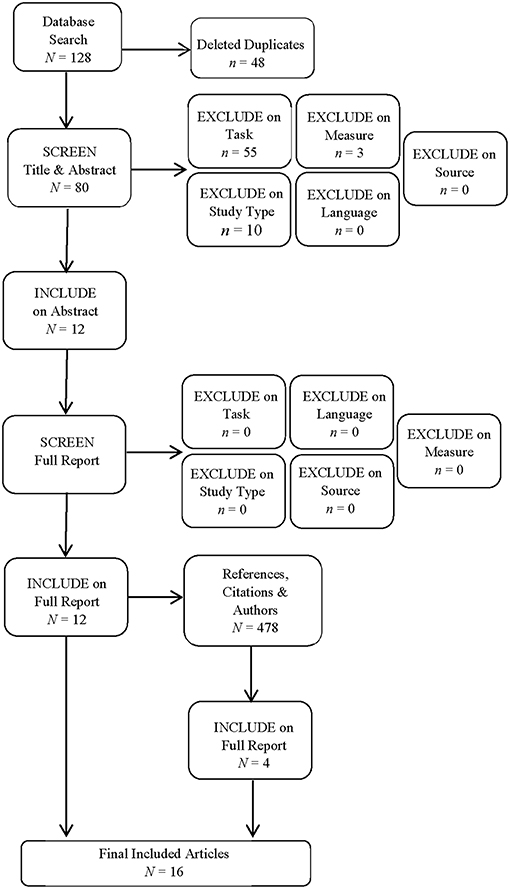
Figure 1. Search results and outcomes of the screening process.
Following this selection process, a total of 12 articles from the database search, with a further four articles identified following the examiniation of the selected articles reference lists were obtained. As such, a total of 16 articles were included in the systematic review. Table 1 shows the citation metrics for the articles that were published in journals present in the Scimago Journal & Country Rank database. The mean 2-year impact factor was 1.90 (range 0.968–2.717, SD = 0.54), the mean journal h-index was 86.33 (range 42–117, SD = 22.64), and seven journals were Q1 ranked. These citation metrics suggest that the journals that published this research were of moderate to high quality. The articles were coded by study characteristics (aims, conditions/groups, outcome measures, and key findings), participant characteristics (sample size, age, gender, weight lifting experience, and location), and task characteristics (exercise/movement completed and equipment used).
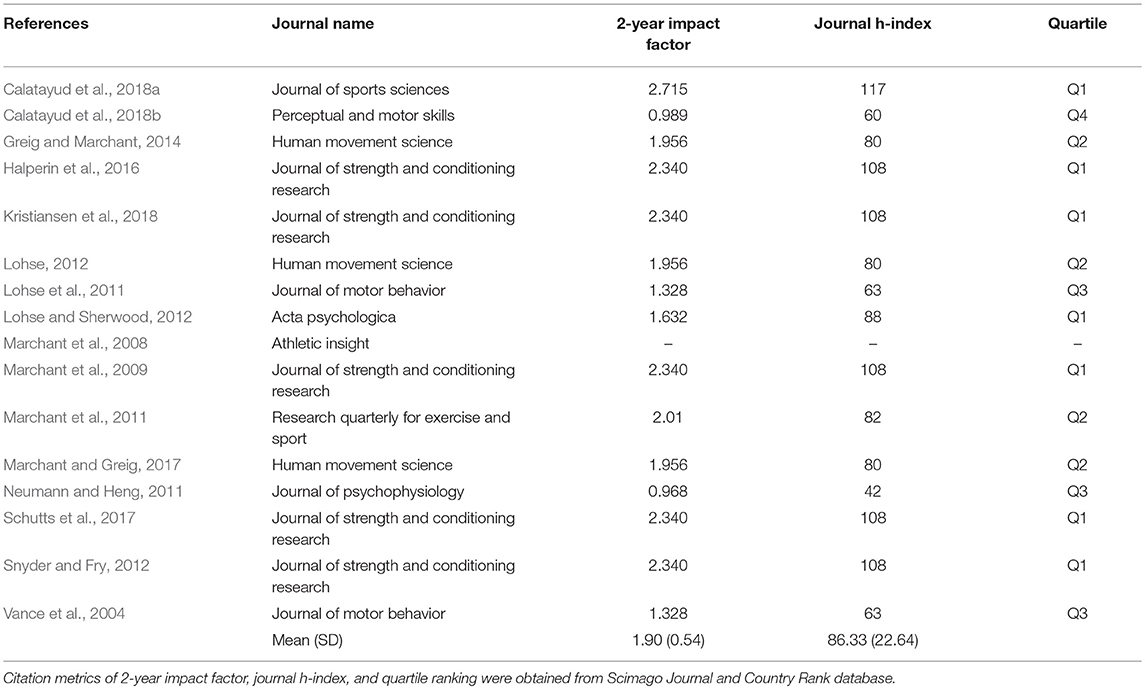
Table 1. Publication details of the studies selected for review.
Results
Tasks and Equipment Used in Research
The types of weightlifting tasks and equipment used in research on attentional focus strategies are shown in Table 2. As can be seen, the bench press (Marchant et al., 2011; Snyder and Fry, 2012; Calatayud et al., 2018a,b; Kristiansen et al., 2018), force plate (Lohse et al., 2011; Lohse, 2012; Lohse and Sherwood, 2012) and bicep curls (Vance et al., 2004; Marchant et al., 2008, 2009; Neumann and Heng, 2011) have been the most commonly used. The bench press and bicep curls are advantageous because they involve relatively simple movements and effectively isolate key muscles. The bench press is also a powerlifting event, and so enhances the real-world relevance of outcomes for competition. The snatch was used by Schutts et al. (2017), which is the only study found in the search to have used an Olympic weightlifting event.
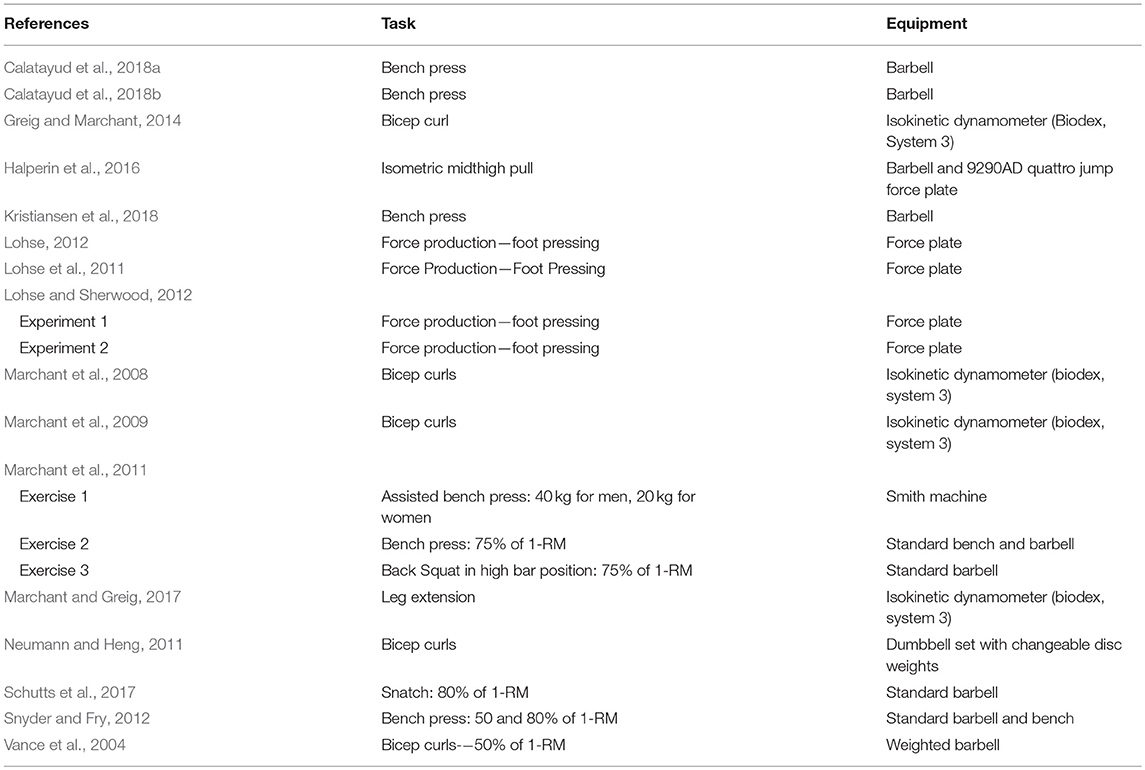
Table 2. Characteristics of the task and equipment used.
Lohse et al. (2011), Lohse (2012), and Lohse and Sherwood (2012) examined force production when participants pushed with their feet against a force plate. The apparatus allows for the investigation of motor planning (Lohse, 2012), as well as intermuscular coordination (e.g., co-contraction of muscles) and intramuscular coordination (e.g., motor-unit recruitment) under different types of attentional foci (Lohse et al., 2011). The use of a force plate is thus a useful complement to free weights in research. Although not included following the screening process, research has also examined attentional focus effects on muscle activity during a sit up task (Neumann and Brown, 2013), which was a task that did not involve muscular force against any apparatus. There are thus a wide variety of tasks that researchers have used to examine attentional foci at the neuromuscular level.
Participant Characteristics
The characteristics of the participants who have been studied in research are shown in Table 3. Most studies have used both male and female participants, with some studies restricting their sample to males only. No studies exclusively used female participants. Although sex does not typically moderate attentional focus effects (but for examples see Becker and Smith, 2013; Flôres et al., 2016; Emad et al., 2017), it is still an important empirical question on whether sex differences exist for weightlifting. It is thus recommended that future research include both sexes in research when possible to ensure generalisability of findings and that analyses are conducted to check for sex differences.
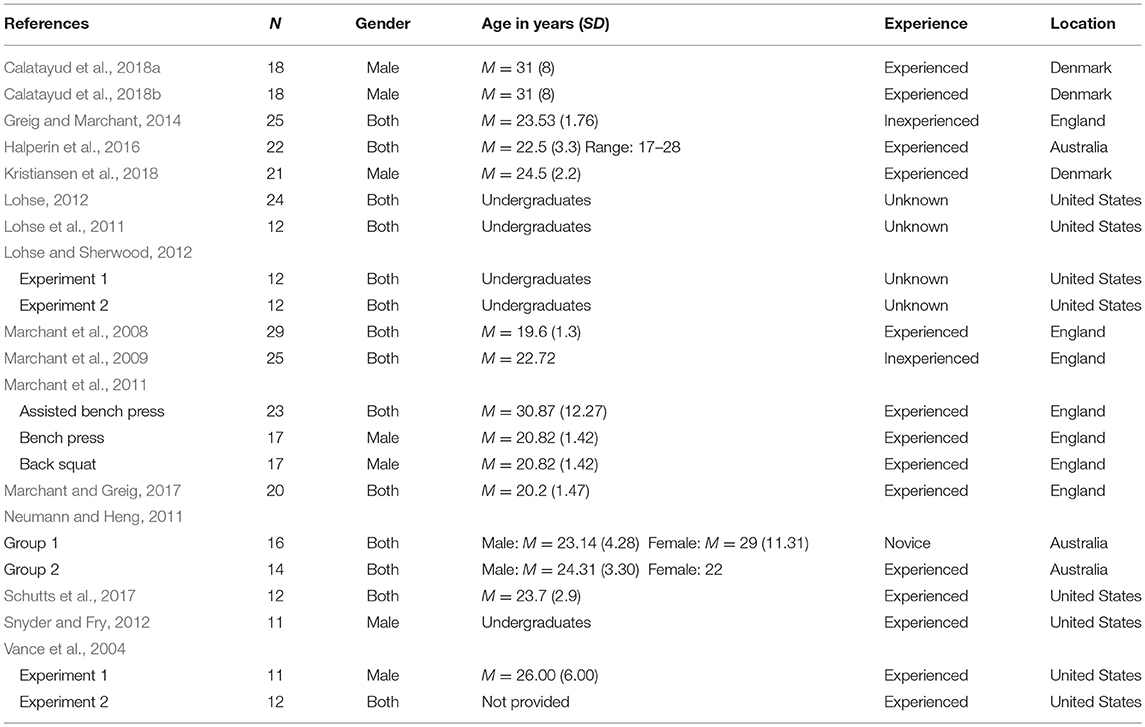
Table 3. Sample size and participant characteristics.
Participants have tended to be experienced in weightlifting, although a sizeable portion of studies did not specify the participant experience level. Experienced participants are more likely to be well-practiced and to have develop automaticity in movements. Given the notion that an external focus of attention facilitates automatic motor processes (Wulf and Lewthwaite, 2016) it may be expected that experienced participants are particularly likely to benefit from an external focus of attention than an internal one. Novice participants have also shown learning and performance benefits from an external attentional focus across a range of tasks (Wulf and Lewthwaite, 2016). However, there have been exceptions (e.g., Perkins-Ceccato et al., 2003). In line with the recommendation of Greig and Marchant (2014), further research is needed that tests for differences between experienced and novice participants in attentional focus effects.
Other characteristics of the participants have shown that many studies have recruited undergraduate students or participants aged 20–25 years on average. While some studies have used older samples, these have had a mean age no older than 31 years. Future research could recruit older adult samples to ensure the generality of the findings across a wide age range. Similarly, no studies have recruited younger participants, such as adolescents and children, and it remains to be determined whether study findings can be replicated with a young age group. Most studies have been conducted in Western countries, most noteably the USA, England, and Denmark. Finally, the sample sizes used in research has been relatively small. Samples have varied from 11 to 29 participants with a mean of 17.67 participants. It is recommended that researchers recruit larger samples to ensure that there is sufficient statistical power, to minimize the reporting of spurious findings, and to ensure generality of findings. In summary, reseach has used relatively small samples with participants typically comprised of young males from Western countries who are experienced in the sport of weightlifting.
Aims, Methods, and Key Findings
A summary of the aims, methods, conditions, measures, and main findings in the experiments reported in the 16 studies reviewed is provided in Table 4. An external focus of attention has produced lower EMG activity (peak EMG, average EMG, or integrated EMG) than an internal focus of attention in several studies (Vance et al., 2004; Marchant et al., 2008, 2009; Lohse et al., 2011; Lohse and Sherwood, 2012; Greig and Marchant, 2014; Marchant and Greig, 2017). An external focus has also shown superior performance over an internal focus for peak torque (Greig and Marchant, 2014), force production (Marchant et al., 2009; Halperin et al., 2016), reduced pre-movement time in early stages of learning an isometric force production task (Lohse, 2012), accuracy in a force production task (Lohse et al., 2011; Lohse and Sherwood, 2012), more repetitions before failure (Marchant et al., 2011), and better movement kinematics for the snatch (Schutts et al., 2017).
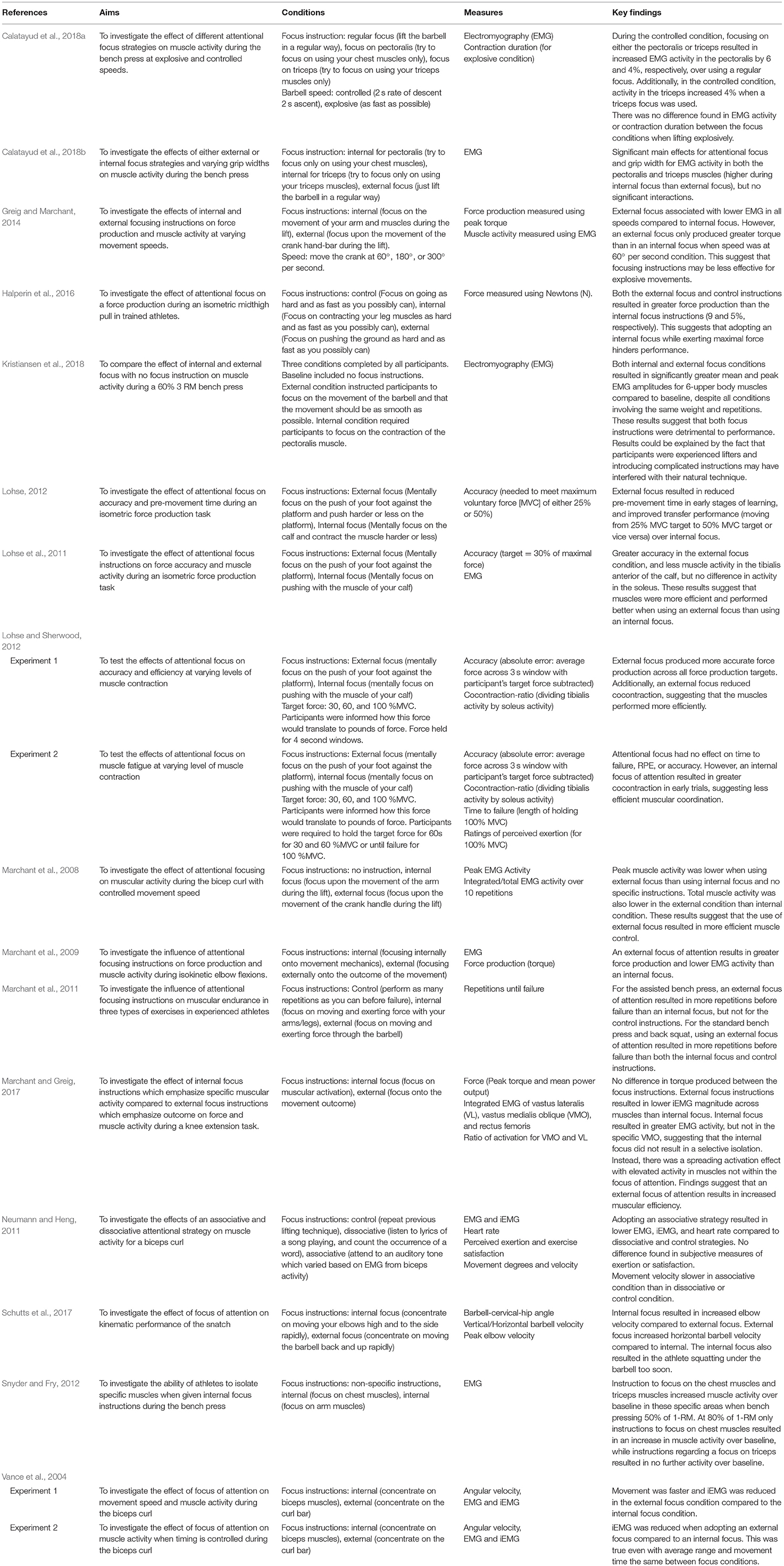
Table 4. Characteristics of the aims, conditions, measures, and key findings.
The conditions that may limit the effects of an internal or external focus have also been examined. Lifting at a controlled or explosive speed did not alter the size of muscle contractions as measured by EMG for an internal focus strategy (Calatayud et al., 2018a,b). Moreover, using grips of different width does not interact with the type of attentional foci (internal or external) on EMG activity. In a study on force production, an external focus of attention produced lower EMG than an internal focus at all speeds, but an interaction between focus type and speed was observed for peak torque such that the attentional focus conditions differed in torque only at slower speeds (Greig and Marchant, 2014). The latter findings suggest that lifting speed may influence attentional focus effects.
It is often reported that an external focus is superior than both an internal focus and a control (no instructions) condition and that this is evidence for a beneficial effect of an external focus rather than a relative detrimental effect of an internal focus (Wulf, 2007). Similar outcomes have been reported in weightlifting and force production tasks (Marchant et al., 2008, 2011). However, this finding has not always been found. Both an external and control condition resulted in greater force during an isometric midthigh pull than an internal condition (Halperin et al., 2016). An external focus resulted in more repetitions to failure than an internal focus, but did not differ from a control condition for an assisted bench press (Marchant et al., 2011).
Furthermore, research has not always shown performance benefits with an external focus of attention. No differences between internal and external foci have been observed for time to failure or ratings of perceived exertion for a long duration force production task (Lohse and Sherwood, 2012). In different findings, Kristiansen et al. (2018) reported that both an external and an internal attentional focus produced greater mean and peak EMG amplitude than a baseline condition during a bench press. In the baseline condition, participants performed the lift as they normally would. The authors suggested that the results may reflect that experienced weight lifters were participants and that the use of attentional instructions of any type may have interfered with their normal technique. Another explanation could be that the baseline condition was completed first and performance in the subsequent conditions suffered from fatigue effects. Yet another explanation may relate to the relative high complexity of the attentional focus instructions. For instance, the external focus instructions required participants to maintain the same tempo of the lift as done in the baseline condition while also attending to the movement of the barbell and making the move as smooth as possible. The internal focus instructions also referred to moving the barbell as smooth as possible and at the same tempo as the baseline condition, as well as focusing on the pectoralis muscle contractions. These internal focus instructions included some reference to an external focus (move the barbell as smooth as possible). Wulf (2007) has suggested that the use of vague or complex attentional focus instructions may mitigate the benefits of an external focus over an internal one.
To elicit an internal attentional focus, researchers have typically used simple instructions requiring participants to attend to the feelings of the muscle or combinations of muscles primarily involved in the lift. A focus on the primary muscles involved in lifting will increase EMG activity measured from that muscle (Calatayud et al., 2018a). Moreover, a focus on secondary muscles for a lift (e.g., triceps for a bench press) will increase EMG activity of the primary muscle (i.e., pectoralis). However, it should be noted that effects of focusing on a specific muscle may vary across the weights being lifted. Attention to a specific muscle increased activity of the muscle that attention was directed toward when a lighter weight was lifted (50% of 1-RM) but not when a heavier weight was used (80% of 1-RM) for a bench press (Snyder and Fry, 2012).
Instructions used to induce an external focus of instruction have typically required participants to focus on the movements of the barbell, dumbbell, crank handle, or platform (see Table 4). Calatayud et al. (2018b) defined an external focus as lifting the barbell in a regular way. However, it may be argued that this instruction did not adequately require participants to focus on the movement effects of the exercise. Further research would be required to evaluate this possibility.
In the only research to examine other forms of attention focus strategies, Neumann and Heng (2011) compared an associative and dissociative focus strategy during a biceps curl task. The study was also unique in measuring heart rate in addition to muscle activity (see Neumann and Thomas, 2009, 2011 for examples of attentional focus effects on heart rate during sport tasks). The dissociative condition required participants to listen to audio of a song whereas the associative condition consisted of listening to audio of a tone that changed in nature based on the EMG amplitude recorded from the biceps muscle. A control condition using no audio and no specific focus instructions was also used. The results showed that EMG, iEMG, and heart rate were lower during the associative strategy than during the dissociative strategy and control conditions. The differences between conditions may reflect a relative benefit of an associative strategy for muscular efficiency. The benefit may reflect that the associative condition had a predominantly external focus (i.e., the effects of the movement on the external audio stimulus). However, the associative condition may have also had an internal component due to the audio being directly linked to muscle contraction strength.
Theoretical Frameworks
The beneficial effect on performance of adopting an external focus of attention compared to an internal focus is well-established across a range of different motor tasks, including those that are sport-related (Wulf, 2013; Wulf and Lewthwaite, 2016). The same conclusion has been reached in most, but not all, of studes examining internal and external attentional foci during weightlifting tasks (see Table 4). In addition, it has been shown that adopting an associative strategy results in beneficial effects over a dissociative strategy for bicep curls (Neumann and Heng, 2011), which may reflect that the associative condition in the study was largely external in nature.
The benefits of an external focus over an internal focus of attention in terms of reduced muscle activity may be explained by differences in the spread of activation between the two types of foci. In a knee extension task, Marchant and Greig (2017) reported that an internal focus of attention produced higher overall EMG, and that this was not specific to the muscles isolated in the task but that it reflected a spreading activation of increased muscle activity. The authors suggested that this pattern reflects than an external focus of attention results in increased muscular efficiency. A similar interpretation has been made using the measure of integrated EMG (iEMG) (Vance et al., 2004). An external attentional focus has resulted in lower iEMG than an internal focus (Vance et al., 2004; Marchant and Greig, 2017).
Increased muscular efficiency is a key component of the constrained action hypothesis (Wulf et al., 2001), which is one framework in which prior research has been based on. The constrained action hypothesis proposed by Wulf et al. (2001) suggests that adopting an external attentional focus promotes automatic, natural movement control, whereas adopting an internal attentional focus disrupts this automaticity and constrains the neuromuscular system (Wulf, 2013). When an individual focuses on an external cue, it facilitates attention to stimuli distant from their body. This then allows automatic behavior to dominate, improving performance. In contrast, an internal cue constrains motor control, reducing performance. The constrained action hypothesis has since been supported by a number of studies in several different contexts.
Initial evidence for the constrained action hypothesis came from a dynamic balancing task using a stabilometer (Wulf et al., 2001). Participants given an internal instruction were told to focus on their feet and to keep them horizontal, while participants given an external instruction were told to focus on markers attached to the balance platform. Participants underwent 2 days of practice, with each day consisting of seven 90 s balance trials, followed by a retention test on the third day in which no focus instructions were given. Performance was measured on three measures, including reaction time to a dual-task procedure, balance performance, and frequency of adjustments. Participants given the external cue had significantly quicker reaction times, better balance performance, and higher frequency of adjustments. This suggests that those given the external cue experienced lower attentional demands, better learning of balance, and less disruption from voluntary attempts to correct posture, respectively.
McNevin et al. (2003) expanded on these findings in a similar balancing task by introducing different levels of external focus by varying the distance from the body on which participants were instructed to focus. Four groups of participants were instructed to focus on their feet (internal), markers close to the feet (near), markers in the center of the balance platform (far inside), and markers on the outside of the platform (far outside). Findings were similar to that of Wulf et al. (2001) with all three external foci groups performing better than the internal focus group. Additionally, the far inside and far outside groups showed a higher frequency of adjustments, demonstrating the use of more natural automatic motor control.
Most recently, Vidal et al. (2018) investigated the constrained action hypothesis using a standing long jump task with internal and external focus instructions. As expect, participants given an external focus of attention jumped significantly further than those given an internal focus instruction. Additionally, attention instructions affected the movement strategy used by participants, with a difference found in ankle-knee coordination. Those given an internal focus to extend their knees as rapidly as possible showed a jump that recruited primarily knee movement, with minimal hip or ankle movement. In contrast, those given an external focus of trying to jump to cones placed in the distance showed good ankle-knee coordination. These results suggest that the internal focus constrained participants to employing knee flexion, whereas an external focus allowed an automatic coordinated movement pattern between knee and ankle.
The constrained action hypothesis has provided a good explanation of findings from motor tasks as well as weightlifting tasks. Attempts have been made to integrate the hypothesis with other notions of attentional focus effects at the neuromuscular level (see Lohse, 2012; Lohse and Sherwood, 2012). For example, (Willingham, 1999) Control Based Learning Theory of motor control (COBALT) suggests that there are stages of processing that can operate through explicit or implicit modes of control when performing a motor task. Implicit modes are advantageous because they promote automatic selection of spatial targets and automatic movement sequences. An external focus of attention may thus promote implicit control of motor actions and result in better performance. The nodal-point hypothesis (Hossner and Ehrlenspiel, 2010) is another notion with similarities to the constrained action hypothesis. This hypothesis suggests that attention serves to select appropriate actions through the selection of sensory feedback and making ongoing corrections to movements in response to this feedback. This process is faciliated when attention is directed to the effects of movements rather than the movement execution itself. Further research is required to examine the links between the various theories of motor performance within a weightlifting context.
Discussion
The research conducted to date has potentially important implications for training and performance of weightlifting tasks. The increased muscular efficiency and accuracy of force production with an external focus of attention over no specific focus or an internal focus suggests that athletes should adopt an external focus during competition. An external focus may result in superior performance to allow the athlete to lift a heavier weight than may otherwise be possible if attention is directed in other ways. Athletes should practice adopting an external focus when simulating competition during training so that it becomes a component of their competition lifting routine.
Conversely, if increased activation of muscles is the desired goal, there is an argument that athletes should adopt an internal focus of attention. Such benefits of an internal attentional focus would typically exist for training programs that aim to increase muscle growth or strength gains (Marchant et al., 2008). The increased activation of the muscle is likely to be observed in the muscle attended to and to spread to other muscles involved in the lift as suggested by the findings of Marchant and Greig (2017). A similar effect of increased muscle activation might also be observed if athletes adopt a dissociative attentional focus, based on the findings of Neumann and Heng (2011). Whether adopting an internal or dissociative strategy has any actual beneficial effect in training in the short or long term (e.g., increase muscle fatigue more quickly or lead to increased gains in strength) remains to be determined.
An important practical consideration is to determine exactly how the benefits of an external focus of attention for sport performance (or an internal focus on muscle activation) can be achieved in practical terms. The first step in developing effective strategies is to identify what are the key elements that athletes should direct their attention to (Marchant et al., 2008). In research conducted to date, an external focus has been effective when attention is directed to bar or weight being lifted. However, some weight training exercises does not use any apparatus (e.g., unweighted squats, sit ups). In cases when there is no specific implement or object used in a sport, Wulf (2007) suggests analogies and metaphor could be used. Neumann and Brown (2013) had participants direct their attention externally during a sit up task by asking them to focus on making smooth movements without any reference to a body part. For an internal focus of attention, the muscle (e.g., bicep, pectoralis) or the body part (foot, legs) has been commonly used in research as the focal point of attention.
The second consideration is the mechanism by which an instructor promotes an increased attentional focus. The use of instructions, as done in research to date, is the simplest approach and has shown to be effective. Coaches can work with athletes by using instructions to provide clear guidance on how to direct attention effectively. An external focus can be promoted by directing athletes to focus on visual cues like bar movement, the sound of the machine, pushing against the bar, or the end result of the lift. An internal focus can be promoted by instructions that direct athletes to focus on muscle tension, body movements, technique, and form.
Coaches should also provide feedback to athletes to reinforce their learning. Feedback might be enhanced by using additional cues to provide information. For an external focus of attention, this might involve placing markers on the bars or weights, using mirrors, making video recordings, or attaching sensors to the bar or weights to measure movement dynamics (acceleration, velocity, smoothness). For an internal focus, EMG recordings of muscles or movement sensors attached to the body can be used provide visual or auditory feedback to athletes. In addition, athletes should be aware that their own use of “psyching up” or self-talk might need to be modified to ensure that the appropriate attentional focus is used. For example, cue words like “strong” and “powerful” might inadvertently direct the athlete to focus their attention internally and should be modified accordingly during competition.
The third consideration is how to tailor the approach to the specific context. In simple lifts, like the biceps curl, attentional focus instructions are relatively simple because the movement is constrained. However, compound lifts will involve multiple muscles and limbs. In addition, multiple component lifts like the clean and jerk involve discrete movements performed in sequence. Internal focus instructions might need to be varied according to the stage of the lift. Whether external focus instructions need to be varied across the lift remains to be determined. Based on the notion that external attentional focus benefits might result from both intramuscular efficiency and intermuscular efficiency (Vance et al., 2004) the adoption of a single focus may be the most beneficial throughout. For the clean and jerk, for example, the athlete would merely focus on exerting force on the barbell at all stages of the lift. Importantly, when research has examined different types of lifts, the results suggest that the benefits of an external focus of attention may become more pronounced as the movement complexity increases (Marchant et al., 2011). Another important consideration is the amount of weight being lift. Attentional focus instructions may be less effective with higher intensity lifts (Snyder and Fry, 2012). The use of very simple instructions, or just cue words, and extensive practice at lighter weights might mitigate the negative impact of heavy weights on attentional focus effects. Indeed, Schutts et al. (2017) recommends that in general coaching cues for lifting are best if they are short, concise, and specific to the key element being trained.
Exercise psychologists and fitness trainers might also consider appropriate psychological strategies in attentional focus for recreational exercisers. For instance, an external focus of attention may benefit recreational exercisers to adhere to exercise programs. This is because an external focus could draw attention away from negative cues associated with physical exertion and toward positively reinforcing outcomes of the weightlifting exercise (e.g., completion of a rep or set). Research in our laboratory has shown that an external attentional focus has benefits to physical and psychological states during cardiovascular exercise tasks (e.g., Neumann and Piercy, 2013). Moreover, external attentional focus strategies may complement dissociative focus strategies like listening to music, in promoting exercise adherence. An external associative focus may be particularly beneficial given that dissociation can be more difficult to maintain at high levels of exercise intensity. Cognitive strategies like attentional focus may also be integrated with other approaches to promoting physical exercise, like goal setting (e.g., Salehian et al., 2011; Neumann and Honke, 2018).
The studies examined in the present review used weightlifting tasks that were typically of short duration by limiting the number of repetition and sets performed. In considering their findings of less efficient muscular coordination with an internal focus than an external focus, Lohse and Sherwood (2012) suggested that their findings could be relevant to endurance type tasks such as long distance running. It was noted that even a small difference in stride efficiency could be magnified over the course of the entire race due to the high repetitions of the movement. They noted that their internal focus condition produced a trend for shorter time to failure than the external focus condition and that this could reduce performance in endurance running. The benefits of an external attentional focus over an internal attentional focus have been demonstrated in running tasks of short duration (e.g., Schücker et al., 2009; Neumann and Piercy, 2013). However, in a time to exhaustion running task, no difference between internal and external foci was observed in performance or physiological variables (Vitali et al., 2019). Further research is thus required to examine the effects of different attentional foci at the neuromuscular level for endurance tasks and for weight lifting tasks that are performed to exhaustion.
Further research can be conducted to extend upon research regarding the potential benefits of adopting an external (or internal) attentional focus. Importantly, the studies conducted to date have typically been conducted in single-session designs. Thus, the long-term benefits of an external attentional focus remain to be determined. Similarly, transfer effects need to be established to determine whether beneficial attentional focus instructions practiced with one type of lifting exercise in the laboratory will transfer to real world training or competition or to other types of lifting exercises. In addition, it would be worthwhile to examine whether transfer occurs to similar sporting tasks. For example, some sports like shot put and discus, require a short-term maximal muscular effort. It would be informative to examine whether training in an external focus of attention transfers to these tasks (Vance et al., 2004).
The use of new technology to induce attentional foci or that provide additional contexts in which weightlifting can occur requires further investigation. Virtual reality (VR) has emerged as a technology applied to sport (for reviews see Neumann, 2016, 2019; Neumann et al., 2018) and has been most commonly applied to cardiovascular exercises (Murray et al., 2016; Neumann and Moffitt, 2018; Parton and Neumann, 2019) but has also been examined with weightlifting. Chen et al. (2015) examined weightlifting in a virtual environment and found that bicep muscle activity and ratings of perceived workload during bicep curls was higher in the VR condition than a non-VR. These findings may reflect that the VR condition increased an internal attention focus on the mechanics of the movement within the virtual environment. The substitution of a weighted apparatus that participants must move to produce an effect in a virtual environment would be one way to promote an external attentional focus (e.g., completing a deadlift could be translated into virtually lifting a heavy bar to free a trapped virtual person). Physiological measures can also be applied in sport in the form of biofeedback. The study by Neumann and Heng (2011) is an example where muscle activity was translated into an audio signal to direct attentional focus during a biceps curl. In addition, physiological measures other than EMG could be used to examine attentional focus effects on general arousal or emotional reactivity due to the relationship between central and peripheral measures with emotional states (e.g., see Neumann and Westbury, 2011).
Conclusions
Weightlifting for physical conditioning or sport depends on many physical and psychological factors. Research examining cognitive strategies has shown that performance at the neuromuscular and behavioral level are influenced by the attentional foci that an athlete adopts. To maximize muscular efficiency, an external focus of attention is more optimal than an internal focus of attention or no specific focus in most cases. The challenge remains for researchers to further explore this effect and determine under which conditions it may be magnified. This information will assist in translational research that can allow athletes to reach a higher level of performance than might otherwise be possible.
Author Contributions
The author confirms being the sole contributor of this work and has approved it for publication.
Conflict of Interest Statement
The author declares that the research was conducted in the absence of any commercial or financial relationships that could be construed as a potential conflict of interest.
Acknowledgments
The assistance of Brett Parton in the literature search and article collation and screening is acknowledged.
References
Becker, K., and Smith, P. J. (2013). Age, task complexity, and sex as potential moderators of attentional focus effects. Percept. Mot. Skills 117, 1172–1186. doi: 10.2466/23.25.PMS.117x14z3
Brick, N., MacIntyre, T., and Campbell, M. (2014). Attentional focus in endurance activity: new paradigms and future directions. Int. Rev. Sport Exer. Psychol. 7, 106–134. doi: 10.1080/1750984X.2014.885554
Calatayud, J., Vinstrup, J., Jakobsen, M. D., Sundstrup, E., Colado, J. C., and Andersen, L. L. (2018a). Influence of different attentional focus on EMG amplitude and contraction duration during the bench press at different speeds. J. Sports Sci. 36, 1162–1166. doi: 10.1080/02640414.2017.1363403
Calatayud, J., Vinstrup, J., Jakobsen, M. D., Sundstrup, E., Colado, J. C., and Andersen, L. L. (2018b). Attentional focus and grip width influences on bench press resistance training. Percept. Mot. Skills 125, 265–277. doi: 10.1177/0031512517747773
Chen, K. B., Ponto, K., Tredinnick, R. D., and Radwin, R. G. (2015). Virtual exertions: evoking the sense of exerting forces in virtual reality using gestures and muscle activity. Hum. Factors 57, 658–673. doi: 10.1177/0018720814562231
Emad, M., Neumann, D. L., and Abel, L. (2017). Attentional focus strategies used by regular exercisers and their relationship with perceived exertion, enjoyment, and satisfaction. J. Hum. Sport Exerc. 12, 106–118. doi: 10.14198/jhse.2017.121.09
Flôres, F. S., Menezes, K. M., and Katzer, J. I. (2016). Influences of gender on attention and learning of motor skills. J. Phys. Educ. 27:e2706. doi: 10.4025/jphyseduc.v27i1.2706
Greig, M., and Marchant, D. C. (2014). Speed dependent influence of attentional focusing instructions on force production and muscular activity during isokinetic elbow flexions. Hum. Mov. Sci. 33, 135–148. doi: 10.1016/j.humov.2013.08.008
Halperin, I., Williams, K. J., Martin, D. T., and Chapman, D. W. (2016). The effects of attentional focusing instructions on force production during the isometric midthigh pull. J. Strength Condition. Res. 30, 919–923. doi: 10.1519/JSC.0000000000001194
Hossner, E. -J., and Ehrlenspiel, F. (2010). Time-referenced effects of an internal vs. external focus of attention on muscular activity and compensatory variability. Front. Psychol. 1:230. doi: 10.3389/fpsyg.2010.00230
Kristiansen, M., Samani, A., Vuillerme, N., Madeleine, P., and Hansen, E. A. (2018). External and internal focus of attention increases muscular activation during bench press in resistance-trained participants. J. Strength Condition. Res. 32, 2442–2451. doi: 10.1519/JSC.0000000000002613
Liberati, A., Altman, D. G., Tetzlaff, J., Mulrow, C., Gøtzsche, P. C., Ioannidis, J. P. A., et al. (2009). The PRISMA statement for reporting systematic reviews and meta-analyses of studies that evaluate healthcare interventions: explanation and elaboration. Br. Med. J. 339:b2700. doi: 10.1136/bmj.b2700
Lohse, K. R. (2012). The influence of attention on learning and performance: pre-movement time and accuracy in an isometric force production task. Hum. Mov. Sci. 31, 12–25. doi: 10.1016/j.humov.2011.06.001
Lohse, K. R., and Sherwood, D. E. (2012). Thinking about muscles: the neuromuscular effects of attentional focus on accuracy and fatigue. Acta Psychol. 140, 236–245. doi: 10.1016/j.actpsy.2012.05.009
Lohse, K. R., Sherwood, D. E., and Healy, A. F. (2011). Neuromuscular effects of shifting the focus of attention in a simple force production task. J. Mot. Behav. 43, 173–184. doi: 10.1080/00222895.2011.555436
Lohse, K. R., Wulf, G., and Ite, R. L. W. (2012). “Attentional focus affects movement efficiency,” in Skill Acquisition in Sport, eds N. J. Hodges and A. M. Williams (London: Routledge), 66–84. doi: 10.4324/9780203133712
Marchant, D. C. (2011). Attentional focusing instructions and force production. Front. Psychol. 1:210. doi: 10.3389/fpsyg.2010.00210
Marchant, D. C., and Greig, M. (2017). Attentional focusing instructions influence quadriceps activity characteristics but not force production during isokinetic knee extensions. Hum. Mov. Sci. 52, 67–73. doi: 10.1016/j.humov.2017.01.007
Marchant, D. C., Greig, M., Bullough, J., and Hitchen, D. (2011). Instructions to adopt an external focus enhance muscular endurance. Res. Q. Exerc. Sport 82, 466–473. doi: 10.1080/02701367.2011.10599779
Marchant, D. C., Greig, M., and Scott, C. (2008). Attentional focusing strategies influence muscle activity during isokinetic bicep curls. Athletic Insight 10. Available online at: http://www.athleticinsight.com/Vol10Iss2/MuscularActivity.htm
Marchant, D. C., Greig, M., and Scott, C. (2009). Attentional focusing instructions influence force production and muscular activity during isokinetic elbow flexions. J. Strength Condition. Res. 23, 2358–2366. doi: 10.1519/JSC.0b013e3181b8d1e5
McNevin, N. H., Shea, C. H., and Wulf, G. (2003). Increasing the distance of an external focus of attention enhances learning. Psychol. Res. 26, 22–29. doi: 10.1007/s00426-002-0093-6
Meline, T. (2006). Selecting studies for systematic review: inclusion and exclusion criteria. Contempor. Issues Commun. Sci. Disord. 33, 21–27. doi: 10.1044/cicsd_33_S_21
Milanese, C., Cavedon, V., Corte, S., and Agostini, T. (2017). The effects of two different correction strategies on the snatch technique in weightlifting. J. Sports Sci. 35, 476–483. doi: 10.1080/02640414.2016.1172727
Murray, E. G., Neumann, D. L., Moffitt, R. L., and Thomas, P. R. (2016). The effects of the presence of others during a rowing exercise in a virtual reality environment. Psychol. Sport Exerc. 22, 328–336. doi: 10.1016/j.psychsport.2015.09.007
Neumann, D. L. (2016). “On the use of virtual reality in sport and exercise: applications and research findings,” in Virtual Reality: Advances in Research and Application, ed Z. Hill (Hauppauge, NY: Nova Science Publishers Inc, 153–182.
Neumann, D. L. (2019). “Competition during sport participation in virtual reality environments and when playing exergames,” in Achievement Motivation: Perspectives, Influences and Outcomes, ed A. Naomhán (Hauppauge, NY: Nova Science Publishers Inc), 45–74.
Neumann, D. L., and Brown, J. (2013). The effect of attentional focus strategy on physiological and motor performance during a sit-up exercise. J. Psychophysiol. 27, 7–15. doi: 10.1027/0269-8803/a000081
Neumann, D. L., and Heng, S. (2011). The effects of associative and dissociative attentional focus strategies on muscle activity and heart rate during a weight training exercise. J. Psychophysiol. 25, 1–8. doi: 10.1027/0269-8803/a000011
Neumann, D. L., and Honke, E. (2018). Practice using performance goals enhances basketball free throw accuracy when tested under competition in elite players. J. Hum. Sport Exerc. 13, 296–304. doi: 10.14198/jhse.2018.132.05
Neumann, D. L., and Moffitt, R. L. (2018). Affective and attentional states when running in a virtual reality environment. Sports 6:71. doi: 10.3390/sports6030071
Neumann, D. L., Moffitt, R. L., Thomas, P. R., Loveday, K., Watling, D. P., Lombard, C. L., et al. (2018). A systematic review of the use of interactive virtual reality in sport. Virtual Real. 22, 183–198. doi: 10.1007/s10055-017-0320-5
Neumann, D. L., and Piercy, A. (2013). The effect of different associative attentional focus strategies on physiological and psychological states during running. Aust. Psychol. 48, 329–328. doi: 10.1111/ap.12015
Neumann, D. L., and Thomas, P. R. (2009). The relationship between skill level and patterns in cardiac and respiratory activity during golf putting. Int. J. Psychophysiol. 72, 276–282. doi: 10.1016/j.ijpsycho.2009.01.001
Neumann, D. L., and Thomas, P. R. (2011). Cardiac and respiratory activity and golf putting performance under attentional focus instructions. Psychol. Sport Exerc. 12, 451–459. doi: 10.1016/j.psychsport.2011.02.002
Neumann, D. L., and Westbury, H. R. (2011). “The psychophysiological measurement of empathy,” in in Psychology of Empathy, ed D. J. Scapaletti (Hauppauge, NY: Nova Science Publishers Inc, 119–142.
Nideffer, R. M. (1976). Test of attentional and interpersonal style. J. Person. Soc. Psychol. 34, 394–404. doi: 10.1037/0022-3514.34.3.394
Parton, B. J., and Neumann, D. L. (2019). The effects of competitiveness and challenge level on virtual reality rowing performance. Psychol. Sport Exerc. 41, 191–199. doi: 10.1016/j.psychsport.2018.06.010
Perkins-Ceccato, N., Passmore, S. R., and Lee, T. D. (2003). Effects of focus of attention depend on golfers' skill. J. Sports Sci. 21, 593–600. doi: 10.1080/0264041031000101980
Rhodes, R. E., Lubans, D. R., Karunamuni, N., Kennedy, S., and Plotnikoff, R. (2017). Factors associated with participation in resistance training: a systematic review. Br. J. Sports Med. 51, 1466–1472. doi: 10.1136/bjsports-2016-096950
Salehian, M. H., Rad, A. G., Moghaddam, J. B., Imani, P., and Fazlollahi, S. (2011). Effect of attentional-focus of feedback and goal setting on learning of basketball set shot. Ann. Biol. Res. 2, 401–411. Available online at: https://www.scholarsresearchlibrary.com/articles/effect-of-attentional-focus-of-feedback-and-goal-setting-on-learning-of-basketball-set-shot.pdf
Schücker, L., Hagemann, N., Strauss, B., and Völker, K. (2009). The effect of attention focus on running economy. J. Sport Sci. 27, 1241–1248. doi: 10.1080/02640410903150467
Schutts, K. S., Wu, W. F. W., Vidal, A. D., Hiegel, J., and Becker, J. (2017). Does focus of attention improve snatch lift kinematics? J. Strength Condition. Res. 31, 2758–2764. doi: 10.1519/JSC.0000000000001753
Snyder, B. J., and Fry, W. R. (2012). Effect of verbal instruction on muscle activity during the bench press exercise. J. Strength Condition. Res. 26, 2394–2400. doi: 10.1519/JSC.0b013e31823f8d11
Stevinson, C. D., and Biddle, S. T. (1998). Cognitive orientations in marathon running and “hitting the wall”. Br. J. Sports Med. 32, 229–234. doi: 10.1136/bjsm.32.3.229
Vance, J., Wulf, G., Töllner, T., McNevin, N., and Mercer, J. (2004). EMG activity as a function of the performer's focus of attention. J. Mot. Behav., 36:450–459. doi: 10.3200/JMBR.36.4.450-459
Vernon, L. (2018). Mind and muscle: considering weightlifting as a contemplative practice. J. Contemp. Inq. 5.
Vidal, A., Wu, W., Nakajima, M., and Becker, J. (2018). Investigating the constrained action hypothesis: a movement coordination and coordination variability approach. J. Mot. Behav. 50, 528–537. doi: 10.1080/00222895.2017.1371111
Vitali, F., Tarperi, C., Cristini, J., Rinaldi, A., Zelli, A., Lucidi, F., et al. (2019). Action monitoring through external or internal focus of attention does not impair endurance performance. Front. Psychol. 10:535. doi: 10.3389/fpsyg.2019.00535
Willingham, D. B. (1999). The neural basis of motor skill learning. Curr. Dir. Psychol. Sci. 8, 177–182. doi: 10.1111/1467-8721.00042
Wininger, S. R., and Gieske, D. (2010). Measure of attentional focus: cognitive interviews and a field study. Athletic Insight 2, 125–146.
Wulf, G. (2007). Attentional focus and motor learning: a review of 10 years of research. Bewegung und Training 1, 4–14. Available online at: https://pdfs.semanticscholar.org/a9e8/f8e69efbfe375d89cf0ff035e3b4f6d4d95f.pdf
Wulf, G. (2013). Attentional focus and motor learning: a review of 15 years. Int. Rev. Sport Exerc. Psychol. 6, 7–104. doi: 10.1080/1750984X.2012.723728
Wulf, G., Höß, M., and Prinz, W. (1998). Instructions for motor learning: differential effects of internal versus external focus of attention. J. Motor Behav. 30, 169–179. doi: 10.1080/00222899809601334
Wulf, G., and Lewthwaite, R. (2016). Optimizing performance through intrinsic motivation and attention for learning: the optimal theory of motor learning. Psychon. Bull. Rev. 23, 1382–1414. doi: 10.3758/s13423-015-0999-9
Keywords: attention, weightlifting, concentration, performance, strength training, attentional focus
Citation: Neumann DL (2019) A Systematic Review of Attentional Focus Strategies in Weightlifting. Front. Sports Act. Living 1:7. doi: 10.3389/fspor.2019.00007
Received: 31 May 2019; Accepted: 15 July 2019;
Published: 09 August 2019.
Edited by:
Marinella Coco, Department of Biomedical and Biotechnological Sciences, University of Catania, ItalyReviewed by:
Fabio Lucidi, Sapienza University of Rome, ItalyXia Xu, Wuhan Sports University, China
Copyright © 2019 Neumann. This is an open-access article distributed under the terms of the Creative Commons Attribution License (CC BY). The use, distribution or reproduction in other forums is permitted, provided the original author(s) and the copyright owner(s) are credited and that the original publication in this journal is cited, in accordance with accepted academic practice. No use, distribution or reproduction is permitted which does not comply with these terms.
*Correspondence: David L. Neumann, ZC5uZXVtYW5uQGdyaWZmaXRoLmVkdS5hdQ==