 Junyan Liu
 Hongjun Yu
 Adam Bleakney2
 Yih-Kuen Jan
- 1Department of Physical Education, Tsinghua University, Beijing, China
- 2Department of Health and Kinesiology, University of Illinois at Urbana-Champaign, Champaign, IL, United States
Introduction: The relationship between coaches and athletes with disabilities is critical for enhancing athletes' performance and psychosocial well-being. This study aims to provide evidence-based recommendations for coaches, sports organizations, and policymakers dedicated to supporting athletes with disabilities.
Methods: A comprehensive analysis of existing literature was conducted. Five databases were searched, including PubMed, Web of Science, SPORTDiscus, Google Scholar, and China National Knowledge Infrastructure. A total of 22 studies were included for thematic analysis.
Results: This systematic review identifies key factors influencing the coach-athlete relationship in disabled sports. These factors are categorized into three main domains: professional, interpersonal, and intrapersonal. In the professional domain, effective coaching requires sport-specific skills and adaptive techniques tailored to the unique needs of athletes with disabilities. Coaches must understand the technical and tactical aspects of each parasport and adapt training plans to optimize performance and foster independence. The interpersonal domain emphasizes communication strategies and team-building practices. Effective communication involves understanding athletes' needs and adapting approaches to maximize strengths. Building rapport, managing conflict, and fostering a supportive team environment are crucial for maintaining a positive coach-athlete relationship. The intrapersonal domain highlights the importance of self-reflection and continuous learning. Coaches who engage in self-reflection and professional development better understand their behaviors and biases, enabling them to tailor coaching strategies to the specific needs of athletes with disabilities. Continuous learning is essential for remaining responsive to the evolving needs of these athletes.
Discussion: This review underscores the importance of a holistic approach that integrates professional expertise, interpersonal skills, and intrapersonal awareness. By addressing these factors, it provides a foundation for developing more effective coaching strategies and supports for athletes with disabilities, ultimately enhancing their performance and well-being. Future research should explore cultural differences, the specific coaching needs of athletes with intellectual disabilities, and the impact of policies and structural barriers on the coach-athlete relationship in disabled sports.
Background
The relationship between coaches and athletes with disabilities has garnered increasing academic attention due to the growing participation of athletes with disabilities in sports (1, 2). Understanding these interactions is essential for enhancing athletes’ performance and psychosocial well-being (3, 4). Despite the expanding body of literature, significant gaps remain in comprehensively identifying the key factors that influence these relationships, particularly within the context of disabled and Paralympic sports (5). This systematic review aims to consolidate existing research and provide evidence-based recommendations for improving coaching practices (6).
Effective coaching in disabled sports requires a blend of professional, interpersonal, and intrapersonal skills (3). These domains are critical for organizing the factors influencing the coach-athlete relationship, providing a structured approach throughout the review. The professional domain encompasses sport-specific skills and a deep understanding of disabilities, requiring adaptive communication and training strategies tailored to athletes’ needs. Key factors in this domain include coaches’ attitudes toward disability, their ability to foster an inclusive environment, and their proficiency in adaptive coaching techniques (6). Adaptive coaching, particularly within the Constraints-Led Approach (CLA), involves creating practice environments that challenge athletes to find solutions to motor problems. This method not only facilitates skill acquisition but also promotes the athlete's autonomy and decision-making abilities, essential qualities in the high-stakes world of Paralympic sports (7). The CLA positions the coach as an active participant in the learning process, emphasizing continuous interaction and dynamic adjustments based on real-time feedback, thus adding complexity to the coaching process.
The interpersonal domain focuses on the coach's ability to communicate and interact effectively with athletes and other stakeholders. Effective communication strategies, team building, and conflict management are pivotal in this domain, underscoring the importance of mutual adaptation in the coach-athlete relationship. This reciprocal process fosters a learning environment where both the coach and the athlete continually evolve, enhancing the quality of their interactions (7).
The intrapersonal domain involves the coach's self-awareness and capacity for self-reflection, including understanding their behaviors and attitudes, engaging in continuous learning, and pursuing self-improvement (3). Self-awareness is critical in adaptive coaching, as it enables coaches to adjust their methods in response to the evolving needs of athletes. This adaptability is particularly vital in managing the complex environments typical of disabled and Paralympic sports (8).
By maintaining a consistent focus on these three domains, this review provides a coherent and integrated analysis of how these domains influence coaches’ perceptions and interactions with athletes with disabilities (5). For instance, a coach's professional expertise can impact their interpersonal communication, while their self-awareness (intrapersonal domain) can influence their ability to create an inclusive environment (interpersonal domain). Addressing these gaps, particularly the integration of disability theory into coaching methodologies and the challenges related to accessibility and support, this review contributes to the development of more effective coaching strategies (6, 9).
In summary, the relationship between coaches and athletes with disabilities in disabled and Paralympic sports is crucial to the performance and well-being of these athletes. Through a comprehensive analysis of existing literature, this study provides evidence-based recommendations for coaches, sports organizations, and policymakers dedicated to supporting athletes with disabilities. This review categorizes the factors influencing the coach-athlete relationship into three key domains: professional skills, communication strategies, and self-reflection (1). These domains represent critical areas where coaches’ perceptions and interactions are most likely to impact the success and well-being of athletes with disabilities (10). By examining these specific factors, this review lays a solid foundation for developing targeted interventions and support strategies for coaches working with athletes with disabilities.
Method
Search strategy
This systematic review was conducted to identify relevant studies examining the factors influencing the relationship between disabled athletes and their coaches. A comprehensive search strategy was designed to cover a wide range of sources to ensure the inclusion of relevant literature. The search strategy is aligned with the Preferred Reporting Items for Systematic Reviews and Meta-Analyses (PRISMA) guidelines (11).
Databases and search terms
The following electronic databases were comprehensively searched to identify relevant studies: PubMed, Web of Science, SPORTDiscus, Google Scholar, and China National Knowledge Infrastructure (CNKI). The search terms were developed based on key concepts related to disabled athletes, coaching, and the coach-athlete relationship. The search terms were combined using Boolean operators (AND, OR) to ensure a systematic search. The specific search strategy used was: (disabled athletes[Title/Abstract] OR para-athletes[Title/Abstract] OR disabilities[Title/Abstract] OR Paralympic Athletes[Title/Abstract] OR Wheelchair Athletes[Title/Abstract] OR Intellectual Impairments[Title/Abstract] OR Mobility Impairments[Title/Abstract] OR Special Athletes[Title/Abstract] OR Sportspeople with Disabilities[Title/Abstract] OR Parasport[Title/Abstract]) AND (coach-athlete relationship[Title/Abstract] OR coach[Title/Abstract]). The search strategy was applied to each database to retrieve articles that matched the inclusion criteria.
Inclusion and exclusion criteria
The inclusion criteria for this review encompass studies that involve research on the relationship between disabled athletes and coaches, including quantitative studies, qualitative studies, case studies, and literature reviews. The population of focus is on interactions and relationships between disabled athletes and coaches. Articles published in English or Chinese were included, with no restrictions on publication date, from the inception of the database.
The exclusion criteria excluded non-academic literature such as news reports, blogs, opinion articles, and other non-academic publications. Studies not directly related to the relationship between disabled athletes and coaches were also excluded, as were duplicate publications of the same study or articles with duplicate content. Studies for which the full text was not accessible and those that did not pass peer review or had significant methodological flaws were also excluded (12).
Data extraction
Data from the selected studies were systematically extracted using a standardized form (Table 1) that captured essential information, including the study title and authors, publication year, study design and methodology, population characteristics (e.g., types of disabilities and sports), key findings, factors influencing the coach-athlete relationship, and recommendations. To ensure a comprehensive synthesis of the data, two reviewers independently screened the titles and abstracts of all identified studies, followed by a detailed review of the full-text articles for potentially relevant studies.
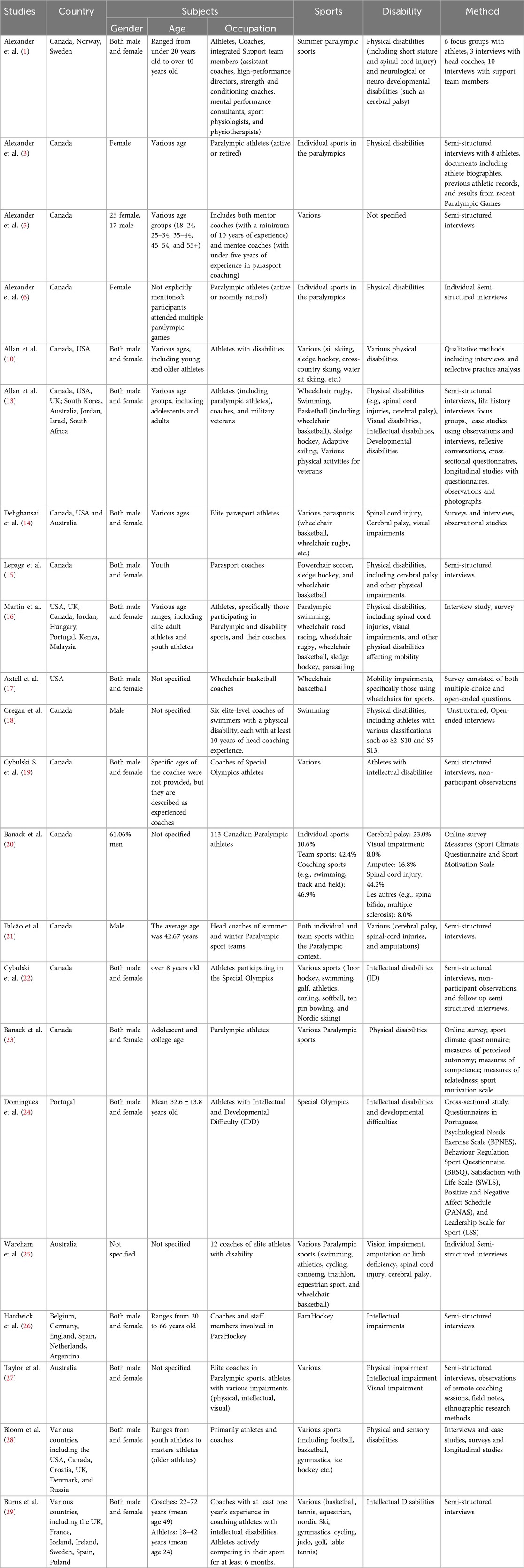
Table 1. Summary of included articles in the review.
The synthesis of the data involved identifying common themes and patterns across the 22 included studies. Rather than simply listing individual study outcomes, we conducted a thematic analysis to integrate the findings into coherent categories that reflect the overarching trends in the literature. This process involved iteratively reviewing the extracted data to identify recurring themes and practices related to the coach-athlete relationship. The resulting themes were then used to structure the results section, providing a clear and organized presentation of the synthesized findings.
Quality assessment
The methodological quality of the included studies was rigorously evaluated using the Mixed Methods Appraisal Tool (MMAT). This tool assesses critical aspects of research design and execution, including the clarity and appropriateness of research questions and methodologies, the validity and consistency of data collection instruments and procedures, the transparency and representativeness of participant selection processes, and the rigor of data analysis methods, such as the application of triangulation techniques.
Each study was meticulously evaluated against the MMAT criteria, resulting in varying quality scores. Studies that achieved a 100% score excelled in all areas, with clearly defined and justified research questions, robust and consistent data collection methods, transparent participant selection processes that ensured representativeness, and rigorous data analysis incorporating triangulation to enhance validity. These studies were methodologically robust and exhibited minimal risk of bias. Conversely, studies scoring 80% met many of the criteria but exhibited certain methodological limitations, such as less transparent participant selection processes, which could introduce selection bias, or data analysis methods that, while generally rigorous, lacked comprehensive triangulation. These limitations reduced their overall quality score, highlighting areas for methodological improvement.
This thorough quality assessment ensures that the studies included in this systematic review are methodologically robust, thereby enhancing the reliability and validity of the review's findings. By clearly articulating the reasons for the varying scores, we aim to maintain transparency in our assessment process, enabling readers to understand the relative strengths and limitations of the included studies (30).
Data synthesis
A thematic synthesis approach was employed to integrate findings from qualitative, quantitative, and mixed-methods studies, ensuring comprehensive coverage of the topics discussed in the introduction. Key themes were identified through iterative coding and analysis, focusing on factors influencing the coach-athlete relationship in disabled and Paralympic sports. The synthesis examined themes within the professional, interpersonal, and intrapersonal domains, encompassing coaches’ expertise and skills, communication strategies, and self-awareness, respectively.
Specifically, the professional domain included themes related to technical and tactical knowledge, training methods, and adaptive coaching techniques suited to athletes’ specific needs. The interpersonal domain focused on effective communication strategies, team building, and the creation of inclusive environments, while the intrapersonal domain analyzed coaches’ self-reflection, continuous learning, and understanding of their behaviors and attitudes towards disabilities (31). Societal attitudes were explored to understand how perceptions and stigmas influence coaching behaviors and the training environment (32). Structural barriers such as accessibility to training facilities and availability of resources were examined to identify challenges and propose necessary policy interventions (33).
Results
Descriptive analysis
The included studies met specific inclusion criteria, focusing on the relationship between coaches and athletes with disabilities in a sports context. These peer-reviewed articles utilized various research methods, including quantitative, qualitative, and mixed-method approaches. A total of 22 studies were included in the review, ensuring a comprehensive analysis of the topic (Figure 1).
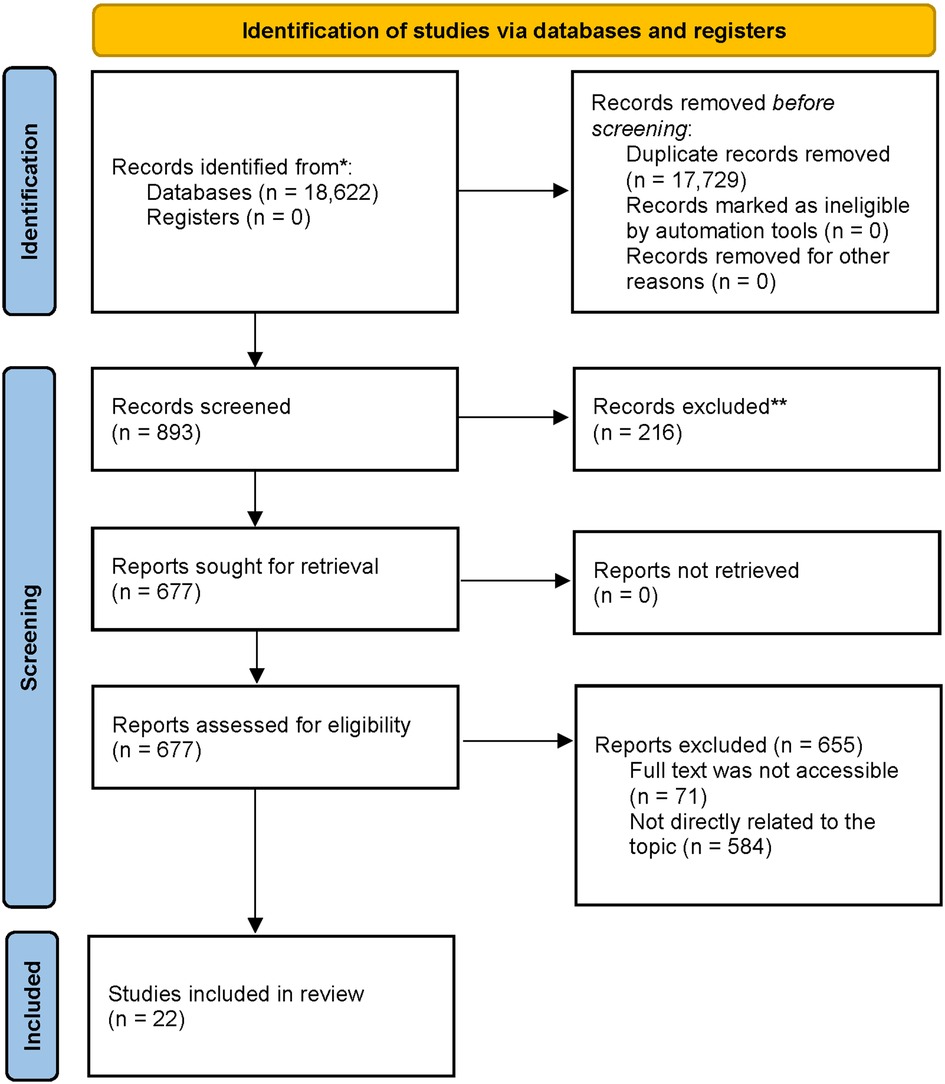
Figure 1. PRISMA flow diagram.
The geographical distribution of the studies provided a broad cultural perspective. The studies were conducted in Canada (n = 10), United States (n = 1), Portugal (n = 1), Australia (n = 2), various countries (n = 8). This variety in locations ensured that the review encompassed diverse cultural and environmental contexts. The included studies varied in design and methodology, comprising quantitative descriptive studies (n = 3), mixed methods studies (n = 3), qualitative studies (n = 13), and quantitative non-randomized studies (n = 3). This methodological diversity allowed for a thorough examination of the coach-athlete relationship from multiple perspectives.
Participants in these studies ranged from adolescents to adults, including both male and female athletes. The athletes had various types of disabilities, such as physical (n = 8), intellectual (n = 5), and multiple disabilities (n = 9). The studies included athletes with different levels of experience, from novices to elite competitors, providing a comprehensive overview of the coach-athlete relationship. No Chinese articles were included; all references are from English articles (n = 22).
Quality assessment
A total of 22 articles were assessed for quality using the Mixed Methods Appraisal Tool (MMAT). Among these, there were 3 Quantitative Descriptive Studies, 3 Mixed Methods Studies, 13 Qualitative Studies, and 3 Quantitative Non-randomized Studies (Tables 2, 3). Of the evaluated articles, 20 were classified as high quality, meeting 100% of all quality assessment criteria. Additionally, 1 article met 80% of the quality criteria, and 1 article met 60% of the criteria. This indicates that the included studies are of generally high quality with reliable methodologies (Tables 4, 5).
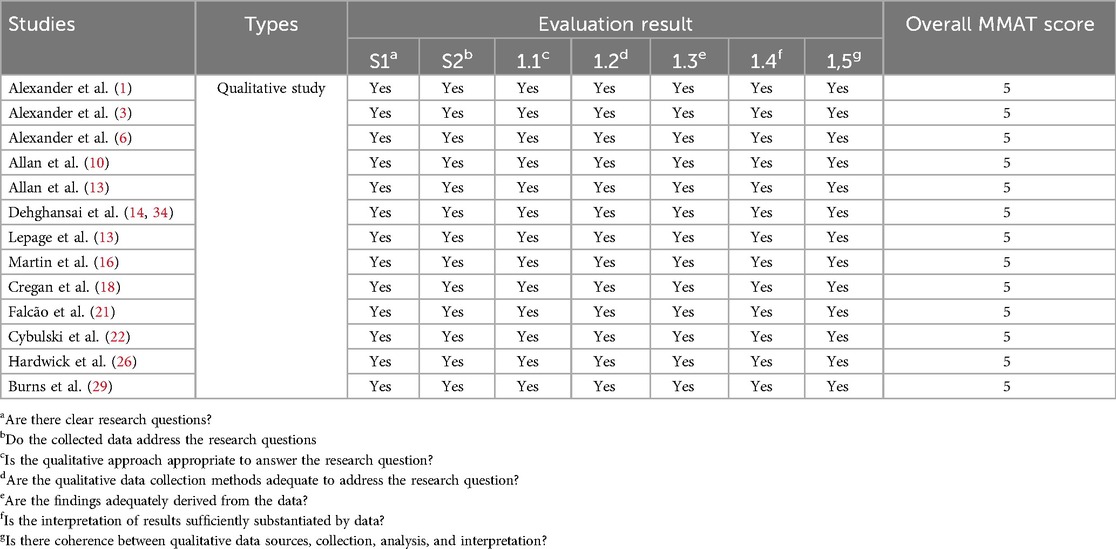
Table 2. Quality assessment results for qualitative studies.
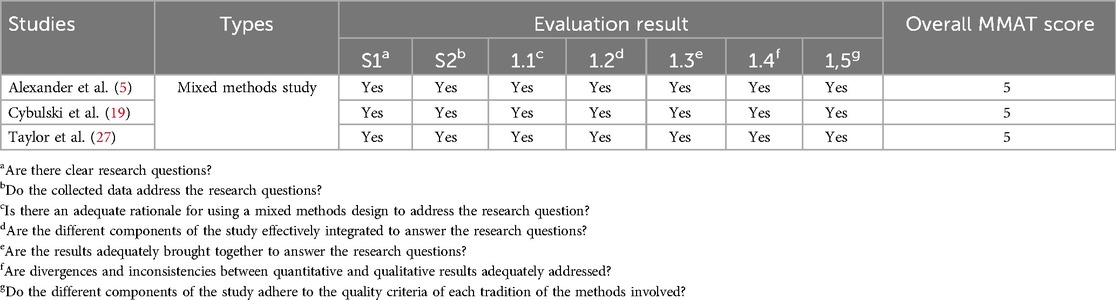
Table 3. Quality assessment results for mixed methods studies.
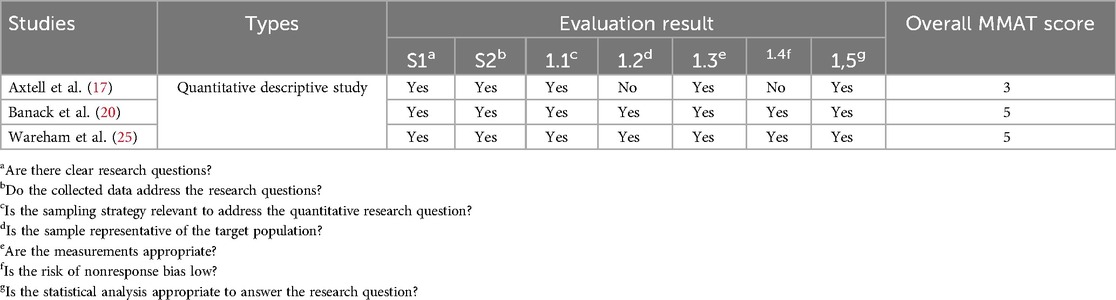
Table 4. Quality assessment results for quantitative descriptive studies.
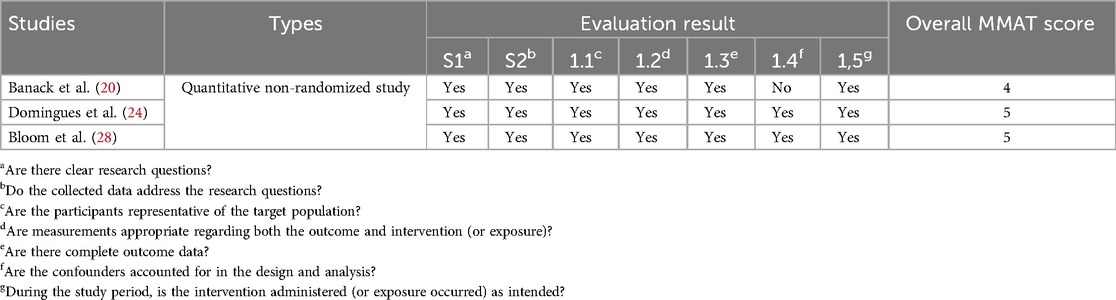
Table 5. Quality Assessment results for quantitative non-randomized studies.
Professional domain
Sport-specific skills
Sport-specific skills are pivotal in optimizing athletic performance within parasports, requiring coaches to adapt their training methodologies to accommodate the unique physical and psychological characteristics of athletes with disabilities (10). Effective coaching necessitates a comprehensive understanding of the technical and tactical aspects specific to each parasport (1). For example, wheelchair basketball demands proficiency in wheelchair maneuverability, ball handling, and shooting, whereas wheelchair racing emphasizes propulsion techniques and endurance (3, 35). Coaches are responsible for developing individualized training plans that consider the specific needs of each athlete, establishing realistic performance goals, and providing constructive feedback that integrates disability-related considerations (21). This individualized approach not only enhances athletes’ confidence and motivation but also reinforces the coach-athlete relationship, thereby contributing to overall athletic success (23).
Adaptive coaching techniques
Adaptive coaching techniques are essential in effectively addressing the diverse needs of athletes with disabilities (1). These techniques require coaches to exhibit creativity and flexibility, ensuring that training regimens are not only effective but also inclusive. For instance, coaching swimmers with Down syndrome may involve decomposing complex movements into smaller, more manageable steps, whereas athletes with lower limb amputations in track and field may necessitate specialized training focused on prosthetic use and balance (13). Furthermore, effective communication with both athletes and their caregivers is crucial, as it fosters a supportive and inclusive training environment (1). By implementing adaptive coaching strategies, coaches can deliver personalized training that addresses the specific needs of each athlete, ultimately enhancing their performance and well-being (5, 6, 10).
Interpersonal domain
Communication strategies
Effective communication is foundational to the development of strong coach-athlete relationships within parasports (3, 5). Coaches must integrate professional knowledge with advanced interpersonal skills to adequately understand and address the unique needs of athletes with disabilities (6). This necessitates an open-minded and innovative approach to communication, allowing coaches to tailor their strategies to the individual preferences and requirements of each athlete (1). Consistent, transparent communication is key to fostering trust and rapport, which are essential for athletes to feel supported and understood (10, 16). Moreover, the management of team conflicts through open dialogue and the promotion of athlete autonomy are crucial strategies that contribute to team cohesion and minimize misunderstandings (10).
Team building and conflict management
The construction of cohesive teams in parasports is contingent upon the establishment of an environment characterized by trust, respect, and mutual support (1). Coaches can achieve this by fostering athlete autonomy, encouraging personal ownership of roles, and modeling positive behaviors that reinforce team unity (14, 15). In the context of wheelchair basketball, for example, coaches might address conflicts arising from competitive pressures by facilitating open communication and promoting mutual support among team members (3, 5, 6). Additionally, the involvement of female coaches has been shown to enhance inclusivity and effectively address gender dynamics within teams, particularly in sports like sitting volleyball (1). Employing a democratic leadership style, wherein athletes are actively involved in decision-making processes, further strengthens team cohesion by ensuring that each member's contributions are valued and recognized (3, 6, 15).
Intrapersonal domain
Self-reflection and understanding
Self-reflection is a critical component of effective coaching, especially within the context of parasports (10). Coaches must engage in continuous self-assessment to better understand and respond to the distinct needs of athletes with disabilities (1). Maintaining awareness of an athlete's overall well-being, both within and outside of sports, enables coaches to provide comprehensive support, particularly in managing the dual careers that many athletes with disabilities pursue (1). Reflexive practices, such as journaling and regular self-evaluation, are instrumental in helping coaches identify personal biases and areas for improvement, thereby allowing them to adapt their coaching strategies to better serve their athletes (3). This process of introspection is also integral to fostering trust and respect, which are vital for the success of mentor-mentee relationships (5, 25, 28, 29).
Continuous learning and improvement
A commitment to continuous learning is imperative for coaches operating in parasports, as it ensures they remain abreast of the latest advancements in fields such as sport psychology, nutrition, and exercise physiology (1). Coaches who prioritize ongoing professional development are better positioned to innovate within their coaching practices and adapt to the evolving needs of their athletes. Engaging in mentorship programs, attending specialized workshops, and participating in structured learning plans are effective methods for coaches to enhance their expertise (29). Moreover, practical experiences, such as collaborating with a diverse range of athletes and learning from more experienced peers, offer invaluable insights that contribute to coaching efficacy (24). By fostering a culture of continuous improvement, coaches create a dynamic and supportive environment that benefits both their own development and the performance outcomes of their athletes (6).
The summary is summarized and refined into Table 6.
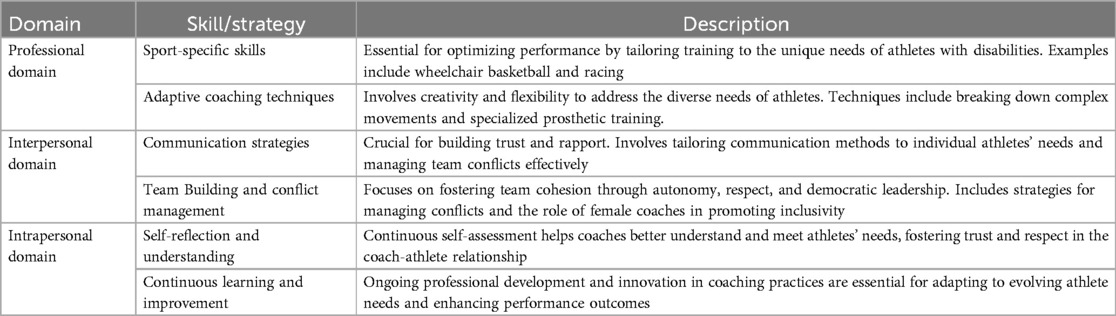
Table 6. Summary of key findings by domain.
Discussions
This systematic review aimed to identify and analyze factors influencing the relationship between coaches and athletes with disabilities, focusing on professional, interpersonal, and intrapersonal domains across 22 studies from various countries. The review underscores the complexity of the coach-athlete relationship in parasports and advances our understanding by offering a nuanced analysis of these factors.
Professional domain: sport-specific skills and adaptive techniques
While prior research has recognized the importance of technical and tactical mastery in sports, this review extends these findings by underscoring the dual necessity of addressing the unique challenges posed by various disabilities (5, 10). Effective coaching requires not only expertise in the sport but also a continuous commitment to learning and adaptation, enabling coaches to develop personalized, disability-specific approaches (22, 28). This dual focus is crucial for optimizing performance, fostering independence, and enhancing overall well-being in athletes with disabilities (21, 29, 30). By emphasizing creativity and flexibility in coaching strategies, this review offers a more holistic perspective, suggesting that these qualities are essential not just for technical proficiency but for addressing the diverse needs of athletes with disabilities across different sports contexts. This approach not only advances the current literature but also provides practical insights for coaches aiming to help athletes achieve their full potential.
Interpersonal domain: communication and team building
Communication strategies and team-building practices are vital for establishing trust and transparency between coaches and athletes with disabilities (19). Effective communication forms the foundation of trust, creating an environment where athletes feel supported and understood, which is essential for both individual and team success (20). Trust, in turn, is integral to team cohesion, as it fosters mutual respect and support among team members (8). By promoting athlete autonomy and responsibility, coaches can cultivate a positive team environment that enhances unity and collaboration (19). However, while communication focuses on individual interactions tailored to meet the specific needs of each athlete, team building is concerned with shaping the overall team dynamic to ensure inclusivity and collective efficacy (20).
Moreover, both communication and team-building strategies are essential for conflict management, though they approach it differently (24). Transparent communication enables coaches to address misunderstandings directly with athletes, thereby preventing conflicts from escalating (36). In contrast, team-building involves structured approaches, such as fostering a democratic leadership style that encourages athlete involvement in decision-making processes (26). This not only aids in conflict resolution but also strengthens team cohesion by ensuring that all members feel their contributions are valued. The interplay between communication and team building is crucial for fostering strong coach-athlete relationships in parasports. While communication enhances individual relationships, team building aims to achieve collective harmony and unity (37). This review provides valuable insights into how these strategies can be effectively integrated, offering practical guidance for coaches to enhance both individual and team performance in parasports. Additionally, potential challenges, such as balancing individual needs with team dynamics, should be considered when applying these strategies in diverse coaching environments.
Intrapersonal domain: self-reflection and continuous improvement
Self-reflection and continuous improvement are foundational elements in the coaching of athletes with disabilities. While previous studies have emphasized the need for self-reflective practices, this review provides a more nuanced understanding of how these practices specifically impact coaching efficacy in parasports (28). Self-reflection enhances coaches’ awareness of their athletes’ needs and plays a pivotal role in adapting coaching strategies to address the unique challenges faced by athletes with disabilities (29).
A significant contribution of this review is the synthesis of reflexive practices, such as journaling and regular self-evaluation, across various studies, demonstrating their effectiveness in improving coaching outcomes (1). While Allan et al. and Alexander et al. emphasize the importance of these practices for maintaining athlete well-being and managing dual careers, this review integrates these insights to show that reflexivity also fosters a deeper understanding of personal biases and coaching philosophies (1, 10). This comprehensive approach to self-reflection not only refines coaching strategies but also cultivates the trust and respect necessary for effective coach-athlete relationships (38). Furthermore, this review extends the current literature by exploring the role of continuous learning in developing coaching practices within parasports. Although existing studies acknowledge the necessity of ongoing education and professional development, this review elaborates on specific methods, such as mentorship programs and experiential learning, that can enhance coaching expertise (6). This synthesis highlights the dynamic interplay between formal education and practical experience, suggesting that continuous improvement involves not only acquiring new knowledge but also applying and adapting this knowledge in real-world settings (39).
Our comparative analysis underscores the unique contributions of various studies while identifying gaps in the current understanding of intrapersonal development among coaches (40). For example, while previous research has largely focused on individual components of self-reflection and continuous learning, this review synthesizes these elements to present a holistic view of how they interact to enhance coaching efficacy (8). This integrated perspective contributes to the field by offering new insights that can guide future research and practice. Additionally, future research could explore how self-reflection and continuous learning practices might differ across various disability types or coaching levels, further enriching the discourse on intrapersonal development in coaching (32).
In conclusion, this review reaffirms the importance of self-reflection and continuous improvement in coaching while advancing the discourse by providing a more comprehensive and interconnected understanding of these processes within the context of disability sports. Effective coaching is deeply rooted in the ability to continuously reflect, learn, and adapt qualities essential for meeting the complex and evolving needs of athletes with disabilities (32). This review contributes to the literature by offering a nuanced synthesis that can guide both researchers and practitioners in further exploring and enhancing intrapersonal development in coaching.
Limitations of the existing literature
Cultural variability in findings
This systematic review is subject to limitations related to the potential influence of cultural variability on the findings. Although cultural factors were not explicitly examined within the scope of this review, the diversity among the included studies suggests that such factors may have a significant impact on the coach-athlete relationship in disabled sports. This variability poses challenges to the generalizability of the findings across different cultural contexts.
Language and database selection
A further limitation pertains to the selection of languages and databases, which have led to exclusion of pertinent studies published in non-English languages or indexed in less prominent databases. This selection bias could potentially limit the comprehensiveness of the literature reviewed, thus affecting the completeness of the conclusions drawn.
Heterogeneity in study designs and methodologies
The heterogeneity observed in study designs and methodologies represents a significant limitation. Variations in sample sizes, types of disabilities, sports contexts, and cultural settings across the included studies complicate the synthesis of findings. Such methodological diversity hinders the ability to draw consistent and generalizable conclusions from the data.
Potential overlook of organizational and societal factors
The focus of this review on professional, interpersonal, and intrapersonal domains may have inadvertently led to the neglect of important factors such as organizational policies, economic constraints, and societal attitudes toward disability sports. These factors could exert considerable influence on the coach-athlete relationship and merit further investigation.
Subjective nature of qualitative research
Despite the high quality of most studies as assessed by the Mixed Methods Appraisal Tool (MMAT), the inherent subjectivity of qualitative research and the methodological limitations present in some studies may compromise the robustness of the conclusions. The reliance on qualitative data introduces potential biases that warrant careful consideration.
Future research directions
To address these limitations and advance the understanding of the coach-athlete relationship in disabled sports, future research should prioritize the following areas.
Investigation of cultural differences
Future studies should explore the impact of cultural differences on coaching practices and the coach-athlete relationship in disabled sports. This will facilitate the development of more context-specific recommendations that are sensitive to cultural variability.
Diversification of data sources
There is a need for future research to include studies published in multiple languages and sourced from a broader range of databases. This approach will enhance the comprehensiveness of the literature and ensure a more inclusive representation of global research.
Longitudinal study designs
Future research should employ longitudinal designs to examine the coach-athlete relationship over time. Such studies will provide deeper insights into the dynamics and evolution of this relationship, contributing to more nuanced and informed conclusions.
Inclusion of broader contextual factors
Future research should expand the scope to include organizational policies, economic constraints, and societal attitudes as they pertain to disability sports. Examining these broader contextual factors will yield a more holistic understanding of the variables influencing the coach-athlete relationship.
Development of standardized tools
The development and validation of standardized assessment frameworks and training modules should be a priority in future research. These tools will be instrumental in aiding coaches to adapt their practices to meet the diverse and unique needs of athletes with disabilities.
By addressing these limitations and focusing on these key areas, future research will be better positioned to contribute to the development of comprehensive, evidence-based coaching strategies that optimize both performance and well-being for athletes with disabilities.
Conclusions
Our systematic review advances adaptive sports coaching by providing a comprehensive synthesis of factors influencing the coach-athlete relationship in disabled and Paralympic sports. It addresses critical gaps in the field by highlighting the dual necessity of sport-specific skills and adaptive techniques. By integrating all related factors of coaching in adaptive sports, this review proposes a new framework that enhances both performance and well-being of the athletes with disabilities, marking a departure from traditional coaching approaches in the existing literature. This review presents a nuanced guide informed by the comprehensive literature review. It emphasizes the importance of flexible adaptive strategies, effective communication, and self-reflection, providing actionable insights for coaches and policymakers, by offering an integrated understanding of the coach-athlete relationship, emphasizing the interplay between professional expertise, communication, and continuous improvement.
Data availability statement
The original contributions presented in the study are included in the article/Supplementary Material, further inquiries can be directed to the corresponding author.
Author contributions
JL: Conceptualization, Data curation, Formal Analysis, Funding acquisition, Investigation, Methodology, Project administration, Resources, Software, Supervision, Validation, Visualization, Writing – original draft, Writing – review & editing. HY: Supervision, Writing – review & editing. AB: Supervision, Writing – review & editing. YK-J: Project administration, Supervision, Writing – review & editing.
Funding
The author(s) declare that no financial support was received for the research, authorship, and/or publication of this article.
Conflict of interest
The authors declare that the research was conducted in the absence of any commercial or financial relationships that could be construed as a potential conflict of interest.
The author(s) declared that they were an editorial board member of Frontiers, at the time of submission. This had no impact on the peer review process and the final decision.
Publisher's note
All claims expressed in this article are solely those of the authors and do not necessarily represent those of their affiliated organizations, or those of the publisher, the editors and the reviewers. Any product that may be evaluated in this article, or claim that may be made by its manufacturer, is not guaranteed or endorsed by the publisher.
References
1. Alexander D, Bloom GA, Bentzen M, Kenttä G. Exploring the experiences and perceptions of coaches, athletes, and integrated support teams towards the management of three national paralympic teams. Psychol Sport Exerc. (2024) 71:102588. doi: 10.1016/j.psychsport.2023.102588
2. Chen P, Yu H, Lin CF, Guo J, Elliott J, Bleakney A, et al. Effect of adaptive sports on quality of life in individuals with disabilities who use wheelchairs: a mixed-methods systematic review. Disabil Rehabil Assist Technol. (2024):1–17. doi: 10.1080/17483107.2024.2313110
3. Alexander D, Bloom GA, Taylor SL. Female paralympic athlete views of effective and ineffective coaching practices. J Appl Sport Psychol. (2020) 32:48–63. doi: 10.1080/10413200.2018.1543735
4. Liao F, Jan YK. Assessing skin blood flow function in people with spinal cord injury using the time domain, time–frequency domain and deep learning approaches. Biomed Signal Process Control. (2023) 84:104790. doi: 10.1016/j.bspc.2023.104790
5. Alexander D, Bloom GA. Exploring coaches’ experiences and perceptions of a virtual parasport coach mentorship program. Psychol Sport Exerc. (2023) 64:102303. doi: 10.1016/j.psychsport.2022.102303
6. Alexander D. Female Paralympic Athlete Preferences of Effective Coaching Practices. Canada: McGill University (2017).
7. Orth D, van der Kamp J, Button C. Learning to be adaptive as a distributed process across the coach–athlete system: situating the coach in the constraints-led approach. Phys Educ Sport Pedagogy. (2019) 24:146–61. doi: 10.1080/17408989.2018.1557132
8. Lindsay R, Spittle M. The adaptable coach–a critical review of the practical implications for traditional and constraints-led approaches in sport coaching. Int J Sports Sci Coach. (2024) 19(3):1240–54. doi: 10.1177/1747954124124
9. Bacic B, Kasabov N, MacDonell S, Pang S. Evolving connectionist systems for adaptive sport coaching. Neural Information Processing: 14th International Conference, ICONIP 2007; November 13–16, 2007, Revised Selected Papers, Part II 14; Kitakyushu, Japan, Springer, (2008). pp. 416–25.
10. Allan V, Blair Evans M, Latimer-Cheung AE, Côté J. From the athletes’ perspective: a social-relational understanding of how coaches shape the disability sport experience. J Appl Sport Psychol. (2020) 32:546–64. doi: 10.1080/10413200.2019.1587551
11. Page MJ, McKenzie JE, Bossuyt PM, Boutron I, Hoffmann TC, Mulrow CD, et al. Statement: an updated guideline for reporting systematic reviews. Br Med J. (2020) 372:2021.
12. Reitsma J, Rutjes A, Whiting P, Vlassov V, Leeflang M, Deeks J. Assessing methodological quality. In: Deeks JJ, Bossuyt PM, Gatsonis C, editors. Cochrane Handbook for Systematic Reviews of Diagnostic Test Accuracy Version. Chichester, England: Cochrane, John Wiley & Sons (2009) 1:1–28.
13. Allan V, Gainforth H, Turnnidge J, Konoval T, Côté J, Latimer-Cheung A. Narrative as a learning tool for coaches of athletes with a disability: using stories to translate research into practice. Phys Educ Sport Pedagogy. (2023) 28:546–67. doi: 10.1080/17408989.2021.2006619
14. Dehghansai N, Lemez S, Wattie N, Pinder RA, Baker J. Understanding the development of elite parasport athletes using a constraint-led approach: considerations for coaches and practitioners. Front Psychol. (2020) 11:502981. doi: 10.3389/fpsyg.2020.502981
15. Lepage P, Bloom GA, Falcão WR. Development and acquisition of knowledge of youth parasport coaches. Adapt Phys Activ Q. (2020) 37:72–89. doi: 10.1123/apaq.2019-0017
16. Martin JJ, Whalen L. Effective practices of coaching disability sport. Eur J Adapt Phys Act. (2014) 7:13–23. doi: 10.5507/euj.2014.007
17. Axtell G, Campbell A, VanderMolen J. Evaluation of wheelchair sports coaching traits and practices to promote well-being. Palaestra. (2022) 36:50.
18. Cregan K, Bloom GA, Reid G. Career evolution and knowledge of elite coaches of swimmers with a physical disability. Res Q Exerc Sport. (2007) 78:339–50. doi: 10.1080/02701367.2007.10599431
19. Cybulski S. Life Skill Development in Athletes with Intellectual Disabilities: The Strategies and Learning Pathways of Special Olympics Coaches. Ottawa, Canada: Université d'Ottawa/University of Ottawa (2014).
20. Banack HR, Sabiston CM, Bloom GA. Coach autonomy support, basic need satisfaction, and intrinsic motivation of paralympic athletes. Res Q Exerc Sport. (2011) 82:722–30. doi: 10.1080/02701367.2011.10599809
21. Falcão WR, Bloom GA, Loughead TM. Coaches’ perceptions of team cohesion in paralympic sports. Adapt Phys Activ Q. (2015) 32:206–22. doi: 10.1123/APAQ.2014-0122
22. Cybulski S, Culver DM, Kraft E, Formeris T. Special olympics coaches: examining the strategies they use to encourage their athletes to develop life skills. Int J Coach Sci. (2016) 10:3–23.
23. Banack H. Coaching behaviours and the motivation of paralympic athletes (Master's thesis). McGill University, Montreal, Canada (2009).
24. Domingues A, Santos J, Batista M, Serrano J, Honório S, Petrica J. Mediation effects of basic psychological needs and motivation among coach leadership style on the subjective well-being of adapted sports athletes’ members of the special olympics. PLoS One. (2024) 19:e0298297. doi: 10.1371/journal.pone.0298297
25. Wareham Y, Burkett B, Innes P, Lovell G. Sport coaches’ education, training and professional development: the perceptions and preferences of coaches of elite athletes with disability in Australia. Sport Soc. (2018) 21:2048–67. doi: 10.1080/17430437.2018.1487955
26. Hardwick AE, Huntley T, Maher A, Whitehead A. “It’s just been learning on the job”: becoming and developing as a ParaHockey coach. Sports Coach Rev. (2024) 13(2):251–64. doi: 10.1080/21640629.2024.2343570
27. Taylor S, Renshaw I, Pinder R, Polman R, Russell S. Coaches’ use of remote coaching: experiences from paralympic sport. Int Sport Coach J. (2023) 10:316–27. doi: 10.1123/iscj.2022-0073
28. Bloom GA, Falcão WR, Caron JG. Coaching high performance athletes: implications for coach training. In: Gomes AR, Resende R, Albuquerque A, editors. Positive Human Functioning from a Multidimensional Perspective. Hauppauge, NY: Nova Science Publisher (2014) 3:107–31.
29. Burns J, Johnson M. Identifying Best Practices in Sports Coaching for Athletes with Intellectual Disabilities: Coach and Athlete Perspectives. Canterbury: Christ Church University (2020).
30. Hong QN, Fàbregues S, Bartlett G, Boardman F, Cargo M, Dagenais P, et al. The mixed methods appraisal tool (MMAT) version 2018 for information professionals and researchers. Educ Inform. (2018) 34:285–91. doi: 10.3233/EFI-180221
31. Jooste J, Kruger A, Wachsmuth S. A brief report on the link between perceived coach behaviour, coach-athlete relationship quality and performance among South African male senior national level team sport para-athletes. Int J Disabil Sports Health Sci. (2019) 2:35–44. doi: 10.33438/ijdshs.644538
32. Nikolina K, Đorić V. Relations of coach-athlete relationship’quality and athlete psychosocial functioning: a systematic review. Sportlogia. (2023) 19:1.
33. Turnnidge J, Côté J, Hollenstein T, Deakin J. A direct observation of the dynamic content and structure of coach-athlete interactions in a model sport program. J Appl Sport Psychol. (2014) 26:225–40. doi: 10.1080/10413200.2013.821637
34. Dehghansai N, Headrick J, Renshaw I, Pinder R, Barris S. Olympic and paralympic coach perspectives on effective skill acquisition support and coach development. Sport. Educ Soc. (2020) 25:667–80.
35. Pomerleau-Fontaine L. Exploring the Coach-Athlete Relationship with Wheelchair Basketball Athletes who Have an Acquired Disability. Canada: McGill University (2021).
36. Wareham Y, Burkett B, Innes P, Lovell GP. Coaches of elite athletes with disability: senior sports administrators’ reported factors affecting coaches’ recruitment and retention. Qualitative research in sport. Exerc Health. (2019) 11:398–415. doi: 10.1080/2159676X.2018.1517388
37. Tuakli-Wosornu YA, Mashkovskiy E, Ottesen T, Gentry M, Jensen D, Webborn N. Acute and chronic musculoskeletal injury in para sport: a critical review. Phys Med Rehabil Clinics. (2018) 29:205–43.
38. Pomerleau-Fontaine L, Bloom GA, Alexander D. Wheelchair basketball athletes’ perceptions of the coach–athlete relationship. Adapt Phys Activ Q. (2022) 40:105–25. doi: 10.1123/apaq.2022-0003
39. Allan V, Smith B, Côté J, Ginis KAM, Latimer-Cheung AE. Narratives of participation among individuals with physical disabilities: a life-course analysis of athletes’ experiences and development in parasport. Psychol Sport Exerc. (2018) 37:170–8. doi: 10.1016/j.psychsport.2017.10.004
40. Hutchinson MJ, Phillips J-LK, Mason BS, Goosey-Tolfrey VL, Beckman EM. Measures of impairment applicable to the classification of paralympic athletes competing in wheelchair sports: a systematic review of validity, reliability and associations with performance. J Sports Sci. (2021) 39:40–61. doi: 10.1080/02640414.2020.1815957
Keywords: adaptive sports, barriers, coaching, para-athletes, disabled
Citation: Liu J, Yu H, Bleakney A and Jan Y-K (2024) Factors influencing the relationship between coaches and athletes with disabilities: a systematic review. Front. Sports Act. Living 6:1461512. doi: 10.3389/fspor.2024.1461512
Received: 19 July 2024; Accepted: 3 September 2024;
Published: 16 September 2024.
Edited by:
Marco Branco, Polytechnic Institute of Santarém, PortugalReviewed by:
Artur Jorge Baptista Santos, Polytechnic Institute of Bragança (IPB), PortugalCarrie LeCrom, Virginia Commonwealth University, United States
Copyright: © 2024 Liu, Yu, Bleakney and Jan. This is an open-access article distributed under the terms of the Creative Commons Attribution License (CC BY). The use, distribution or reproduction in other forums is permitted, provided the original author(s) and the copyright owner(s) are credited and that the original publication in this journal is cited, in accordance with accepted academic practice. No use, distribution or reproduction is permitted which does not comply with these terms.
*Correspondence: Yih-Kuen Jan, eWphbkBpbGxpbm9pcy5lZHU=