AS
adriana salatino
Royal Military Academy (Belgium)
Brussels, Belgium
1,414
Total downloads
13k
Total views and downloads
The field of human-autonomous systems interactions has seen rapid advancements over the past few decades, significantly altering various aspects of daily life. Autonomous systems are now integral to numerous sectors, offering benefits such as enhanced user performance, reduced error rates, and decreased mental workload, which collectively improve the ability to manage multiple tasks simultaneously. However, these systems also present challenges, particularly in moral decision-making contexts where values are at stake. Research indicates that the use of autonomous systems can lead to negative outcomes such as loss of situational awareness, skill decay, and performance decrements when manual control is resumed. Additionally, higher levels of autonomy have been shown to reduce human agency, an essential component of consciousness, thereby complicating moral decision-making processes. Despite the growing body of research, the effects of autonomous systems on moral situations and human agency remain inconclusive, necessitating further investigation, especially given their increasing application in sensitive fields like law, medicine, and the military.
This research topic aims to provide a comprehensive overview of current studies and findings related to the impact of autonomous systems on human agency and moral decision-making. The primary objectives include addressing specific questions about how these systems influence moral judgments and actions, and testing hypotheses related to the reduction of human agency in high-autonomy environments. By exploring these areas, the research seeks to clarify the mixed results observed in existing studies and contribute to a more nuanced understanding of the interplay between autonomy and moral decision-making.
To gather further insights into the boundaries of human-autonomous systems interactions, we welcome articles addressing, but not limited to, the following themes:
• The impact of autonomous systems on situational awareness and skill decay.
• The influence of autonomy on human agency and consciousness.
• Moral decision-making processes in high-autonomy environments.
• Comparative studies of human versus autonomous decision-making in sensitive domains.
• Interdisciplinary approaches to understanding the cognitive and psychological effects of autonomous systems.
• Design principles for future autonomous systems that consider moral and ethical implications.
• Case studies from legal, medical, and military contexts involving autonomous systems.
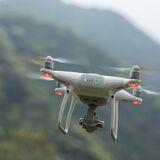
Keywords: Human-autonomous systems interaction, Human performance, Moral decision-making, Sense of agency, Moral situations
Important note: All contributions to this Research Topic must be within the scope of the section and journal to which they are submitted, as defined in their mission statements. Frontiers reserves the right to guide an out-of-scope manuscript to a more suitable section or journal at any stage of peer review.
