SC
salvatore campanella
Université libre de Bruxelles
Brussels, Belgium
1,135
Total views and downloads
Submit your idea
You will be redirected to our submission process.
Manuscript Submission Deadline 31 December 2025
This Research Topic is currently accepting articles.
Addiction research has long endeavored to elucidate the mechanisms that trigger the onset and sustainment of addictive behaviors over time. Why and how can activities such as watching TV, drinking alcohol, or gambling become central and compulsive in a person's life? Classic substance addictions are often explained through the reinforcing effects on brain networks like the mesolimbic circuit, specifically in the ventral striatum's nucleus accumbens. Continued substance exposure reinforces the reward properties of these events, serving as a reinforcement learning signal, enhancing incentive salience, and promoting associated actions. The shift from mere consumption impulses to compulsive behaviors is associated with a dysfunctional (pre)frontal control system that governs future-oriented processes and regulates motivations. Despite significant advances, the precise mechanisms of habit formation in addiction remain under debate, particularly the roles of habitual versus goal-directed processes.
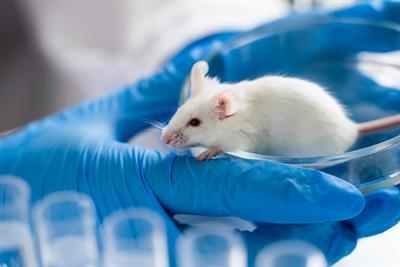
This Research Topic aims to advance understanding of addiction mechanisms by merging established animal protocols with key concepts from human research. It seeks to integrate insights from animal studies with human clinical applications, addressing controversial perspectives on the efficacy of animal models in addiction research. By facilitating a dialogue between animal and human research findings, the aim is to bridge existing gaps and develop translational protocols that enhance data accessibility for clinicians, ultimately translating research findings from bench to bedside.
To gather further insights in bridging animal models and human research on addiction, we welcome articles addressing, but not limited to, the following themes:
-Exploring impulsivity, approach/avoidance strategies, cue reactivity, and stress coping in animal models;
-Comparative analyses of animal and human biomarkers indexing addictive behaviors;
-Translational potential of animal models in informing clinical treatment of drug addiction;
-Long-term brain modifications induced by addictive substances measured through innovative protocols;
-Development of new translational protocols to enhance data accessibility and clinical applicability;
-We invite submissions of original research, reviews, observational, and interventional studies addressing the listed mechanisms.
This Research Topic accepts the following article types, unless otherwise specified in the Research Topic description:
Articles that are accepted for publication by our external editors following rigorous peer review incur a publishing fee charged to Authors, institutions, or funders.
Keywords: Addiction; biomarkers; genetic; animal models; compulsive behaviors; relapse; abstinence
Important note: All contributions to this Research Topic must be within the scope of the section and journal to which they are submitted, as defined in their mission statements. Frontiers reserves the right to guide an out-of-scope manuscript to a more suitable section or journal at any stage of peer review.
Manuscripts can be submitted to this Research Topic via the main journal or any other participating journal.
Submit your idea
You will be redirected to our submission process.
