DR
donatella radogna
University of Studies G. d'Annunzio Chieti and Pescara
Chieti, Italy
2,853
Total downloads
15k
Total views and downloads
Sports have historically served as a vital connector between humans and their environments, both natural and constructed. These activities have evolved over centuries, beginning from early sports linked closely with religion and transformative constructions in ancient civilizations, to major building and urban development in modern times. This evolution reflects the broad spectrum of interests across different societies and highlights the intricate relationships between sports, environmental settings, and architectural developments. As sports tourism grows, particularly in picturesque landscapes such as coastal and mountainous areas, it plays an increasingly critical role in either promoting resilience and regeneration or contributing to environmental degradation.
This Research Topic aims to inspire deep scientific inquiry into how participation in sports can foster slow tourism initiatives. By integrating a profound connection with nature, these activities naturally support environmental conservation and regeneration. In doing so, sports not only enrich individuals and communities socially and economically but also lead to more sustainable environmental practices. The goal is to emphasize and cultivate the regenerative potential of sports tourism, which operates within the delicate balance of originality, utility, and aesthetic appreciation of natural spaces.
To gather further insights on this subject, we welcome articles addressing, but not limited to, the following themes:
• Sport tourism and place and space identity
• Sport tourism as a development for rural sustainability
• The role of sport as a regenerative approach to slow tourism
• The gendered space of walking, paddle boarding, etc., in slow tourism
• Can slow sport tourism promote an inclusive environment for creating sustainable spaces
Ultimately, contributions should explore how sports interact with and impact rural and natural environments, aiming to foster settings where both ecological balance and human activities coexist harmoniously.
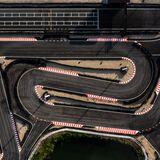
Keywords: slow tourism, habitats, architecture, natural settings, sports
Important note: All contributions to this Research Topic must be within the scope of the section and journal to which they are submitted, as defined in their mission statements. Frontiers reserves the right to guide an out-of-scope manuscript to a more suitable section or journal at any stage of peer review.
