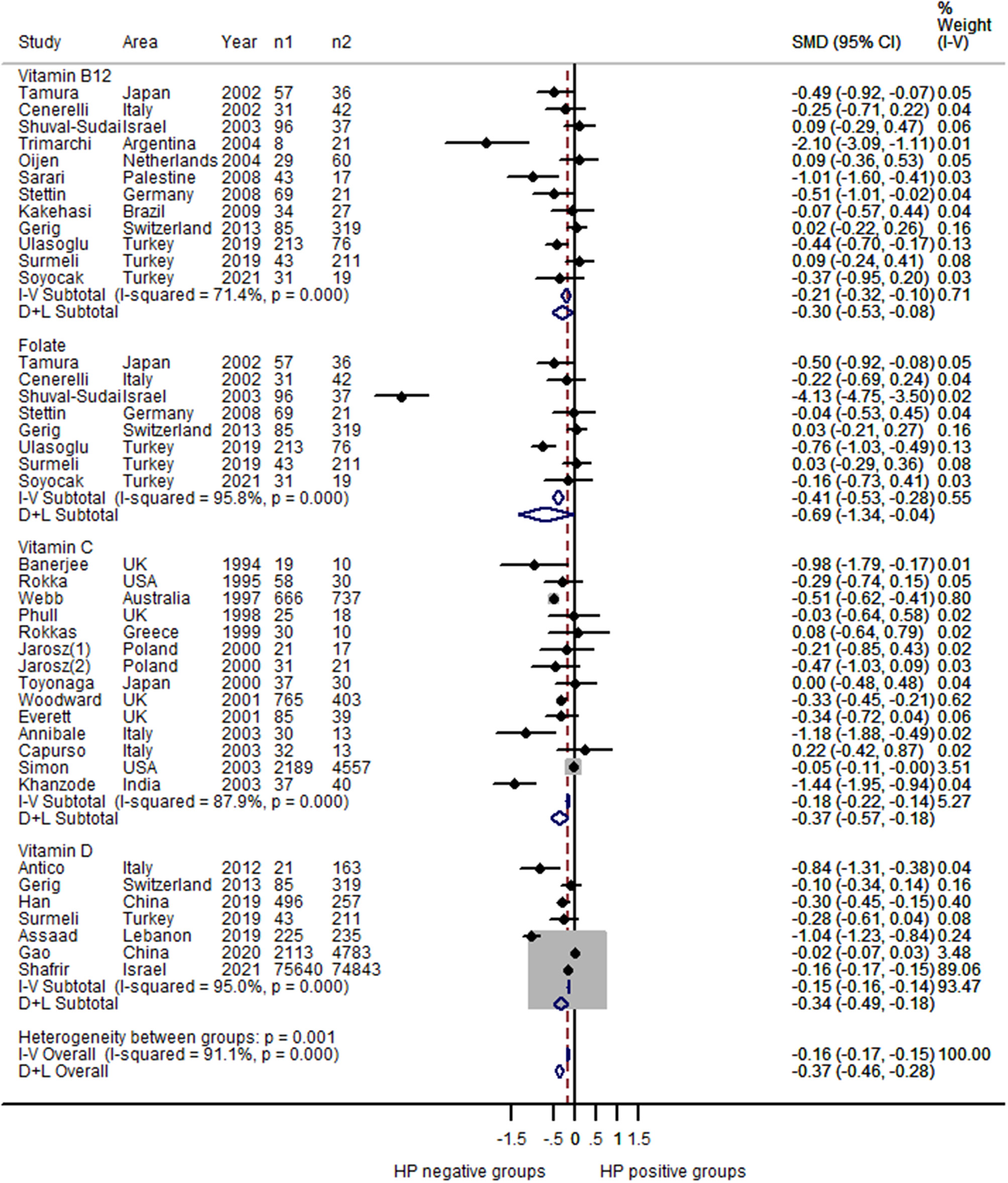
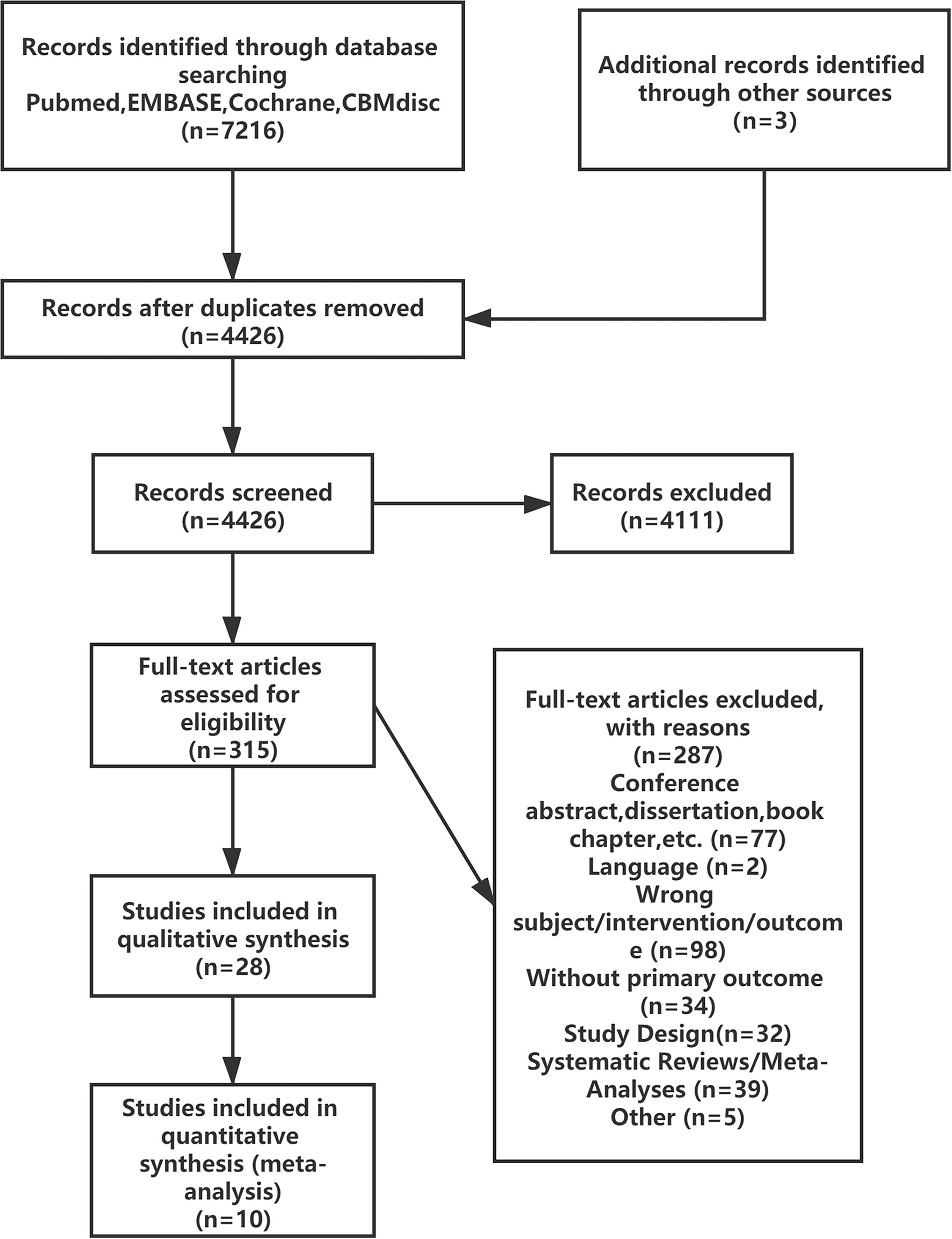
For instance, Siziba et al. investigated the association of human milk oligosaccharides (HMOs) concentration and the risk of otitis media and lower and upper respiratory tract infections in 667 breastfed infants. Despite the potential benefits of neonatal immune enhancement from HMOs, the study suggests that neither prominent neutral individual HMOs (ranging from 2'-FL to LNDFHs) nor acidic human milk sialyllactoses or lactose are significantly associated with a reduced or increased risk of infections in infants up to 2 years of age.To understand the potential benefit of anti-inflammatory short-chain fatty acids (SCFA) from dietary fibre, Ni et al conducted mice experiment to investigate impact of dietary fibre on West Nile Virus (WNV) disease and associated survival and immune profile. Despite increased fecal SCFA acetate and changes in gut microbiota composition, dietary fibre did not affect clinical scores, leukocyte infiltration into the brain, or survival. The study concluded that fibre supplementation is not effective in WNV encephalitis. Furthermore, Xu et al. investigated the discrepancy of gut microbiota among elite athletes and young adults with different physical activities. The matching study of 63 Chinese young adults found a non-linear association between physical activity and microbiota, which may be confounded by the dietary intake. In contrast, a separate study by Li et al. found that serum albumin was associated with disability in activities of daily living, mobility, and objective physical functioning among 2233 Chinese older adults (≥65 years) in the Chinese Longitudinal Healthy Longevity Survey. It indicates that appropriate management of poor nutritional status through lowering serum albumin levels may contribute to maintaining physical functions in older adults. This research topic includes three review articles on nutrients and infections. Govers et al. provided a broad overview on the topic of nutrition and viral respiratory tract infections. This review covered which population subgroups are susceptible to respiratory infections, which immunological mechanism contribute to antiviral immunity, how nutritional components can modulate antiviral immune response and infections. In a separate review, Li et al. conducted a comprehensive systematic review and meta-analysis to clarify the relationship between common types of vitamins and helicobacter pylori (H. pylori). The study found that H. pylori infections decrease the serum levels of several types of vitamins, eradication of H. pylori could rescue its adverse effects, and antioxidant vitamin supplementation may improve the H. pylori eradication rate. Furthermore, a systematic review and meta-analysis on the association between vitamin D and influenza was conducted by Zhu et al. Of the nine included randomised controlled trials, the summarised results indicates that substitution of vitamin D significantly reduces the risk of influenza infections (relative risk = 0.95,95% confidence interval: 0.73-0.98). The study confirms the preventive effect of influenza by vitamin D supplement, but also suggests further high-quality studies with better design and larger samples.On topics in relation to nutrient intake, Lin et al evaluated the role of oropharyngeal dysphagia in older patients on long-term enteral feeding for risk stratification of pneumonia requiring hospitalisation. It is found that the risk of pneumonia requiring hospitalization was significantly lower in patients with percutaneous endoscopic gastrostomy than in those with nasogastric tube among the patients with oropharyngeal dysphagia (adjusted hazard ratio 0.26, 95% confidence interval: 0.11-0.63). Tao et al investigated the association between stress hyperglycaemia and stroke-associated pneumonia (SAP) with a total of 2039 patients. The study quantified the stress hyperglycaemia through dividing the blood glucose by the glycated haemoglobin to calculate the stress hyperglycaemia ratio (SHR). It is found that SHR was significantly associated with the risk of SAP in patients without diabetes, but not in patients with diabetes. Furthermore, to predict potential surgical site infections (SSI), Chen et al developed and validated a nomogram based on geriatric nutritional risk index (GNRI) for gynaecologic oncology patients. The use of GNRI cut-off value of 101.7 could stratify patients into distinct SSI risk groups, and the use of GNRI in nomogram model could enhance its potential to predict SSI in gynaecologic oncology patients.Nutritional factors can support immune function against infections via different mechanisms and at different levels as demonstrated in this research topic. It has been shown that dietary deficiencies and malnutrition could lead to infection and contribute to morbidity and mortality. Thurs, further research should focus on identifying these nutritional factors and developing preventive strategies to target diet and nutrition at population level to improve people's quality of life. Keywords: Nutrition, infection, immune function, diet, deficiency
8 Authors
- DN
Duan Ni
Charles Perkins Centre, The University of Sydney, Australia
- JT
Jian Tan
Charles Perkins Centre, The University of Sydney, Australia
- PN
Paula Niewold
Charles Perkins Centre, The University of Sydney, Australia
- AG
Alanna Gabrielle Spiteri
Charles Perkins Centre, The University of Sydney, Australia
- GV
Gabriela Veronica Pinget
Charles Perkins Centre, The University of Sydney, Australia
- DS
Dragana Stanley
School of Health, Medical and Applied Science, Central Queensland University, Australia
- NJ
Nicholas Jonathan Cole King
Charles Perkins Centre, The University of Sydney, Australia
- LM
Laurence Macia
Charles Perkins Centre, The University of Sydney, Australia
4,702 views
13 citations
12 Authors
- ZC
Zhihui Chen
Department of Infection Control, Wenzhou People’s Hospital, China
- MZ
Mingchen Zhong
Scientific Research Center, Wenzhou People’s Hospital, China
- ZX
Ziqin Xu
Department of Infection Control, Wenzhou People’s Hospital, China
- QY
Qing Ye
Xinglin Information Technology Company, China
- WX
Wenwen Xie
Department of Gynecology, Wenzhou People’s Hospital, China
- SG
Shengchun Gao
Department of Infection Control, Wenzhou People’s Hospital, China
- LC
Le Chen
Department of Infection Control, Wenzhou People’s Hospital, China
- LQ
Lidan Qiu
Department of Infection Control, Wenzhou People’s Hospital, China
- JJ
Jiaru Jiang
Department of Infection Control, Wenzhou People’s Hospital, China
- HW
Hongmei Wu
Department of Infection Control, Wenzhou People’s Hospital, China
- XL
Xiuyang Li
Department of Epidemiology and Biostatistics, Center for Clinical Big Data and Statistic, Second Affiliated Hospital, Medicine College, Zhejiang University, China
- HW
Haihong Wang
Department of Infection Control, Wenzhou People’s Hospital, China
3,426 views
9 citations

6 Authors
- ZZ
Zhixin Zhu
Department of Epidemiology and Biostatistics, Center for Clinical Big Data and Statistics, Second Affiliated Hospital, College of Medicine, Zhejiang University, China
- XZ
Xiaoxia Zhu
Department of Epidemiology and Biostatistics, Center for Clinical Big Data and Statistics, Second Affiliated Hospital, College of Medicine, Zhejiang University, China
- LG
Lanfang Gu
Department of Epidemiology and Biostatistics, Center for Clinical Big Data and Statistics, Second Affiliated Hospital, College of Medicine, Zhejiang University, China
- YZ
Yancen Zhan
Department of Epidemiology and Biostatistics, Center for Clinical Big Data and Statistics, Second Affiliated Hospital, College of Medicine, Zhejiang University, China
- LC
Liang Chen
Department of Epidemiology and Biostatistics, Center for Clinical Big Data and Statistics, Second Affiliated Hospital, College of Medicine, Zhejiang University, China
- XL
Xiuyang Li
Department of Epidemiology and Biostatistics, Center for Clinical Big Data and Statistics, Second Affiliated Hospital, College of Medicine, Zhejiang University, China