MM
marisabel mecca
Oncological Center of Basilicata (IRCCS)
Rionero in Vulture, Italy
1,997
Total downloads
11k
Total views and downloads
The field of plant adaptation to climate change has garnered significant attention due to the increasing frequency and intensity of environmental stressors such as temperature fluctuations, altered precipitation patterns, and extreme weather events. These changes pose substantial challenges to plant growth, survival, and their interactions with parasites, insects, and fungi. Despite plants' remarkable ability to adapt to diverse and fluctuating conditions, the mechanistic understanding of their physical and biochemical responses to these stressors remains incomplete. Recent studies have begun to shed light on the biomechanics of plant cells and tissues, revealing how these structures manage and mitigate stress. Additionally, the biochemical responses of plants, including variations in metabolites and volatile organic compounds (VOCs), are crucial for their adaptation. However, there is still a need for comprehensive research that integrates these aspects to fully elucidate the complex mechanisms driving plant resilience.
This Research Topic aims to gather recent scientific progress on the biomechanical and biochemical adaptation of plants to climate change. We welcome studies that explore both the mechanical and biochemical properties of plant cells and tissues, the variations of compounds, metabolites, VOCs, and how plants sense mechanical stimuli. The subsequent physiological and developmental responses, as well as the impacts of such changes on wood technology and industry, are also of interest. Interdisciplinary studies integrating biophysics, biochemistry, molecular biology, plant pathology, agronomy, and computational modeling are particularly encouraged to elucidate the complex mechanisms driving plant resilience.
To gather further insights into the biomechanical and biochemical adaptation of plants to climate change, we welcome articles addressing, but not limited to, the following themes:
- Biomechanics of Cell Walls and Tissue Structures: Investigations into the mechanical properties of cell walls and tissues under environmental stress conditions.
- Turgor Pressure Dynamics: Studies on how plants regulate and maintain turgor pressure during periods of drought, flooding, and temperature extremes.
- Biochemistry: Studies on how plants respond in terms of variations in metabolites, organic compounds, and VOCs to climatic stress and to microenvironment (parasites, insects, herbivores, fungi, etc.).
- Thigmomorphogenesis and Mechanical Stimuli Response: Research on how plants alter their growth and structural properties in response to mechanical stimuli such as wind, touch, and gravity.
- Computational Modeling of Plant Biomechanics: Development of models to simulate plant growth and adaptation processes under varied mechanical and climatic conditions.
- Mechanotransduction Pathways: Molecular and physiological studies on how plants perceive and transduce mechanical signals into adaptive responses.
- Biophysical Strategies for Enhancing Crop Resilience: Applied research on implementing biophysical approaches to improve crop tolerance to mechanical stressors associated with climate change.
- Physical Strategies: Research on the effect of climate change (biotic and abiotic stress) on the wood industry and its derivatives, and how wood technology can intervene to compensate for this damage.
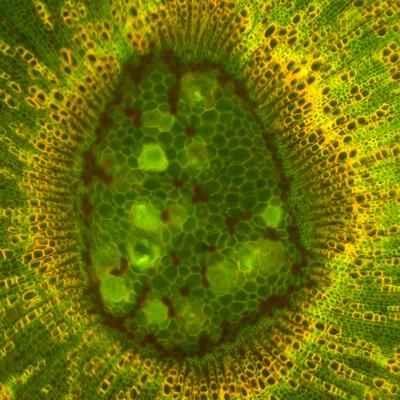
Keywords: plant biomechanics, plant-biophysics, thigmomorphogenesis, plant-adaptation, wood technology, agronomy, turgor pressure dynamics
Important note: All contributions to this Research Topic must be within the scope of the section and journal to which they are submitted, as defined in their mission statements. Frontiers reserves the right to guide an out-of-scope manuscript to a more suitable section or journal at any stage of peer review.
Oncological Center of Basilicata (IRCCS)
Rionero in Vulture, Italy
Faculty of Science, University of Sarajevo
Sarajevo, Bosnia and Herzegovina
The Sainsbury Laboratory
Norwich, United Kingdom
School of Agricultural, Forestry, Food and Environmental Sciences, University of Basilicata
Potenza, Italy
University of Vermont
Burlington, United States
University of Applied Sciences Emden Leer
Emden, Germany
