SM
sayanti mandal
Department of Chemistry and Biochemistry, Sharda University
Greater Noida, India
286
Total downloads
3,276
Total views and downloads
Submit your idea
Select the journal/section where you want your idea to be submitted:
Manuscript Summary Submission Deadline 27 February 2026 | Manuscript Submission Deadline 30 June 2026
This Research Topic is currently accepting articles.
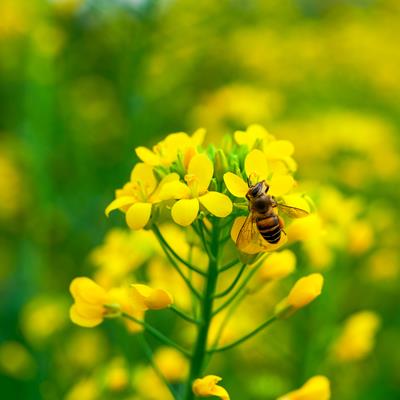
The Brassica genus, which includes crops like rapeseed, mustard, broccoli, Indian mustard, cauliflower, and kale, is a cornerstone of global agriculture. These crops are vital sources of nutrition, bioenergy, and industrial materials. However, climate change poses significant challenges to Brassica cultivation, including heat stress, water scarcity, and evolving pest and disease pressures.
Recent advancements in genomic tools such as genome-wide association studies (GWAS), pangenomics, and CRISPR-based genome editing have unveiled extensive genetic diversity within Brassica species. These technologies provide unparalleled opportunities to dissect complex traits, enhance stress resilience, and boost yield and nutritional quality. Furthermore, the establishment of publicly accessible platforms for exploring genomic data has democratized access to genetic resources, empowering researchers and breeders worldwide.
The genetic potential of Brassica species for climate-resilient farming is essential. These crops, vital for global nutrition, bioenergy, and industrial use, face growing threats from climate change, including heat stress, water scarcity, and emerging pests and diseases. By employing advanced genomic techniques such as genome-wide association studies (GWAS), pangenomics, CRISPR-based genome editing, and genomic selection, this initiative aims to identify and utilize genetic variations that enhance yield, nutritional value, and stress tolerance. Additionally, developing publicly accessible platforms for exploring and sharing genetic resources will empower breeders and researchers worldwide to accelerate crop improvement efforts. This Research Topic aspires to provide innovative solutions for sustainable agriculture, ensuring food security and environmental resilience in the face of escalating global challenges.
This Research Topic will compile cutting-edge research leveraging genomic tools to unlock the full potential of Brassica crops, with a focus on addressing climate resilience and sustainable farming challenges. To gather further insights into enhancing climate resilience in Brassica crops, we welcome articles addressing, but not limited to, the following themes:
• Pangenomics and the identification of structural variations across Brassica species
• Development of high-quality reference genomes and gene annotations
• Dissection of genetic mechanisms underpinning heat, drought, and salinity tolerance
• Identification of resistance loci for major pests and diseases
• Genome-wide association studies (GWAS) to identify quantitative trait loci (QTLs)
• Use of genomic selection (GS) to accelerate breeding for yield and quality traits
• Application of CRISPR-Cas technologies for precise trait modifications
• Synthetic biology approaches to engineer novel traits and enhance crop adaptability
• Development of user-friendly, publicly accessible databases for exploring Brassica genetic diversity
• Integration of multi-omics data for trait discovery and crop improvement
• Examples of successful translation of genomic tools into field applications
• Lessons learned from deploying climate-resilient Brassica varieties in diverse agro-ecosystems
This Research Topic accepts the following article types, unless otherwise specified in the Research Topic description:
Articles that are accepted for publication by our external editors following rigorous peer review incur a publishing fee charged to Authors, institutions, or funders.
Keywords: Brassica, Genomics, Climate resilience, Genetic diversity, Genome editing, Trait discovery
Important note: All contributions to this Research Topic must be within the scope of the section and journal to which they are submitted, as defined in their mission statements. Frontiers reserves the right to guide an out-of-scope manuscript to a more suitable section or journal at any stage of peer review.
Manuscripts can be submitted to this Research Topic via the main journal or any other participating journal.
Submit your idea
Select the journal/section where you want your idea to be submitted:
