MH
mohamed houssemeddine sellami
Institute for Agricultural and Forestry Systems in the Mediterranean, National Research Council (CNR)
Ercolano, Italy
1,289
Total views and downloads
Submit your idea
Select the journal/section where you want your idea to be submitted:
Manuscript Summary Submission Deadline 25 December 2025 | Manuscript Submission Deadline 14 April 2026
This Research Topic is currently accepting articles.
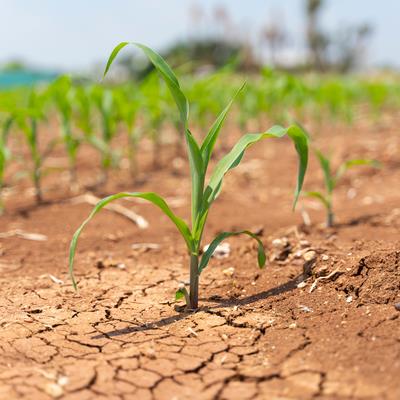
Drought stress remains one of the most detrimental abiotic factors, significantly impacting global crop production and posing a severe threat to food security amid the challenges of climate change. While considerable progress has been made in comprehending plant drought responses, a gap continues to exist between fundamental discoveries and their application in real-world agricultural scenarios. Traditional disciplines such as agronomy, physiology, and breeding often work in silos, which constrains the development of truly resilient crop systems. Addressing this critical shortfall, this Research Topic promotes an integrated, trans-disciplinary approach, aiming to blend knowledge from molecular to field levels. This effort seeks to seamlessly connect the mechanistic understanding of drought tolerance traits with pioneering agronomic management and breeding strategies.
This Research Topic aims to present cutting-edge research that offers practical and scalable solutions for enhancing drought tolerance in major crops. It emphasizes interdisciplinary approaches that bridge the gap between theoretical advances and practical agricultural practice. Key objectives include translating mechanisms to management by demonstrating how physiological insights into traits, such as root architecture and stress memory, can inform precision agronomy. Another focus is accelerating genetic gain by showcasing breeding and biotechnological strategies aimed at creating drought-resilient cultivars. Additionally, the scope includes demonstrating real-world impact through validated case studies, illustrating the successful field application and economic feasibility of proposed solutions.
To gather further insights within this comprehensive approach to drought-resilient agriculture, we welcome articles addressing, but not limited to, the following themes:
• Exploration of novel genetic loci and stress-responsive regulators
• Root and shoot phenotyping for resilience traits
• Innovative precision irrigation solutions and water-saving agronomic practices: showcasing sensor-driven, AI-guided, and variable-rate irrigation systems that optimize water use, enhance drought resilience, and demonstrate field-level effectiveness.
• Physiological mechanisms of water-use efficiency and osmotic adjustment
• Leveraging plant-microbe interactions for drought mitigation
• Application of genomics, speed breeding, and gene editing for the development of resilient cultivars
We invite submissions of Original Research, Reviews, Mini-Reviews, Methods, Perspectives, and Case Studies that demonstrate successful transitions from laboratory or greenhouse conditions to field applications.
This Research Topic accepts the following article types, unless otherwise specified in the Research Topic description:
Articles that are accepted for publication by our external editors following rigorous peer review incur a publishing fee charged to Authors, institutions, or funders.
Keywords: Drought Stress; Crop Water Productivity; Crop Physiology; Precision Irrigation; Plant Breeding; Genetic Improvement; Deficit Irrigation; Hormonal Signaling (ABA);Stomatal Regulation; Crop Yield Stability
Important note: All contributions to this Research Topic must be within the scope of the section and journal to which they are submitted, as defined in their mission statements. Frontiers reserves the right to guide an out-of-scope manuscript to a more suitable section or journal at any stage of peer review.
Manuscripts can be submitted to this Research Topic via the main journal or any other participating journal.
Submit your idea
Select the journal/section where you want your idea to be submitted:
