QH
qina huang
State Key Lab of Rice Biology, China National Rice Research Institute
Hangzhou, China
428
Total views and downloads
Submit your idea
Select the journal/section where you want your idea to be submitted:
Manuscript Summary Submission Deadline 13 January 2026 | Manuscript Submission Deadline 3 May 2026
This Research Topic is currently accepting articles.
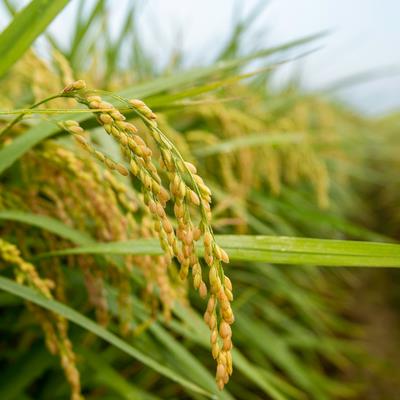
Rice blast (Magnaporthe oryzae), Bacterial blight, false smut (Ustilaginoidea virens), and Sheath blight are among the most devastating diseases threatening global rice production and food security. Although the identification of key resistance (R) and susceptibility (S) genes has been instrumental in advancing the field, a more comprehensive understanding of the underlying molecular mechanisms is urgently required. This encompasses elucidating the complex interactions between pathogen effectors and host targets, the regulatory networks that govern immune signaling pathways, and the potential role of epigenetic regulation. Crucially, such fundamental insights must be effectively translated into practical applications in breeding programs. This Research Topic aims to address this critical gap by showcasing novel insights into rice-pathogen interactions and promoting the development of next-generation rice varieties with durable and broad-spectrum resistance through innovative, sustainable breeding strategies.
This initiative aims to consolidate research efforts focused on elucidating novel mechanisms underlying rice disease resistance, with a strong emphasis on bridging the gap between basic discovery and practical implementation. We particularly encourage contributions that employ state-of-the-art technologies, such as multi-omics approaches, gene editing, and structural biology, with a clear path towards application in breeding programs.. Additionally, studies that involve the identification and utilization of novel genetic resources for disease resistance in sustainable breeding are also highly welcome. The central theme of this event revolves around "next-generation" solutions, with the ultimate goal of generating actionable insights to address global food security challenges.
We invite the submission of original research articles, review papers, and methodological studies addressing key research themes, including but not limited to:
• Molecular mechanisms underlying rice-pathogen interactions (e.g., effector biology, NLR-mediated recognition, immune signaling pathways) and their implications for resistance breeding.
• Discovery and functional analysis of novel resistance (R) and susceptibility (S) genes, including the assessment of their potential for developing improved rice varieties.
• Utilization of advanced technologies such as gene editing (e.g., CRISPR-Cas9), multi-omics approaches, and structural biology to elucidate resistance mechanisms and to design precise breeding strategies.
• Development and implementation of innovative breeding strategies for generating durable and broad-spectrum resistant rice varieties (e.g., gene pyramiding, marker-assisted selection, genomic selection, de novo domestication).
We particularly encourage contributions that integrate fundamental molecular research with practical breeding applications, thereby accelerating the journey from lab to field. All submitted manuscripts will undergo a rigorous peer review process to ensure scientific excellence and impactful outcomes.
This Research Topic accepts the following article types, unless otherwise specified in the Research Topic description:
Articles that are accepted for publication by our external editors following rigorous peer review incur a publishing fee charged to Authors, institutions, or funders.
Keywords: Plant-Pathogen Interaction, Disease-Resistance Breeding, Genome Editing, Multi-Omics Approaches, Epigenetic regulation
Important note: All contributions to this Research Topic must be within the scope of the section and journal to which they are submitted, as defined in their mission statements. Frontiers reserves the right to guide an out-of-scope manuscript to a more suitable section or journal at any stage of peer review.
State Key Lab of Rice Biology, China National Rice Research Institute
Hangzhou, China
China National Rice Research Institute, Chinese Academy of Agricultural Sciences
Hangzhou, China
Kasetsart University
Kamphaeng Saen, Thailand
National Rice Research Institute (ICAR)
Cuttack, India

Manuscripts can be submitted to this Research Topic via the main journal or any other participating journal.
Submit your idea
Select the journal/section where you want your idea to be submitted: