EM
eduardo mateo-bonmati
Polytechnic University of Madrid
Madrid, Spain
445
Total views and downloads
Submit your idea
Select the journal/section where you want your idea to be submitted:
Manuscript Summary Submission Deadline 30 April 2026 | Manuscript Submission Deadline 31 July 2026
This Research Topic is currently accepting articles.
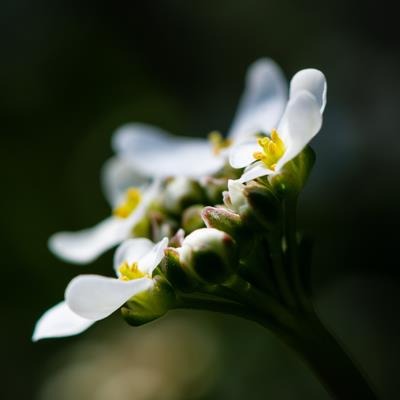
Flowering time regulation stands at the intersection of physiology, genetics, and molecular biology within plant science. Historically, the variation in environmental and endogenous cue requirements for floral induction in different plant species was attributed to distinct underlying molecular processes. However, pioneering genetic and molecular studies, especially in Arabidopsis thaliana, have demonstrated that a complex network of signaling pathways—both environmental and endogenous—converge upon a core group of floral pathway integrator genes. This convergence has been pivotal in reframing our understanding of different flowering strategies across species, emphasizing that diversity often results from varying dominance of input pathways rather than entirely separate mechanisms. Recent research has revealed that many key flowering genes participate in broad developmental regulation, while others act as critical circuit nodes that underpin adaptation and domestication, highlighting ongoing debates about their species-specific roles and evolutionary dynamics.
This Research Topic aims to unify investigations that bridge physiological, genetic, and mechanistic perspectives on flowering time. It intends to clarify how central flowering time genes function and are regulated, with particular emphasis on the pivotal role of the FLOWERING LOCUS C (FLC), to identify the molecular basis of natural variation, and to dissect the evolutionary processes shaping these networks throughout adaptation and breeding. By fostering research that elucidates how these processes are rewired during environmental adaptation—especially in the context of climate change—this topic hopes to inform strategic crop improvement and the identification of key regulatory nodes across diverse plant lineages.
The scope of this Research Topic is focused on the elucidation of mechanisms controlling flowering time, from upstream physiological signals to downstream molecular effectors. It seeks submissions that dissect critical regulatory nodes, network architecture, and adaptive changes, but does not cover unrelated aspects of plant development. To gather further insights into flowering time regulation and adaptation, we welcome articles addressing, but not limited to, the following themes:
- Integration of environmental and endogenous signals in flowering regulation
- Dynamics of chromatin and transcription in flowering time regulation
- Functional characterization of floral pathway integrators and network nodes
- Natural variation and genetic mapping of flowering time genes
- Evolutionary mechanisms driving adaptation of flowering time networks
- Comparative studies of flowering time pathways in diverse species
- Implications for crop breeding and resilience to climate change
Additionally, we welcome perspectives, syntheses, and original research arising from the “Chromatin and Transcription: FLC and beyond II” to be held in Madrid in March 2026, highlighting developments that advance our understanding of flowering time regulation and adaptation.
This Research Topic accepts the following article types, unless otherwise specified in the Research Topic description:
Articles that are accepted for publication by our external editors following rigorous peer review incur a publishing fee charged to Authors, institutions, or funders.
Keywords: flowering time, floral induction, plant development, FLOWERING LOCUS C, crop improvement
Important note: All contributions to this Research Topic must be within the scope of the section and journal to which they are submitted, as defined in their mission statements. Frontiers reserves the right to guide an out-of-scope manuscript to a more suitable section or journal at any stage of peer review.
Manuscripts can be submitted to this Research Topic via the main journal or any other participating journal.
Submit your idea
Select the journal/section where you want your idea to be submitted:
