ST
soubhagya tripathy
Indian Institute of Technology Kharagpur
Kharagpur, India
675
Total views and downloads
Submit your idea
You will be redirected to our submission process.
Manuscript Summary Submission Deadline 27 March 2026 | Manuscript Submission Deadline 25 September 2026
This Research Topic is currently accepting articles.
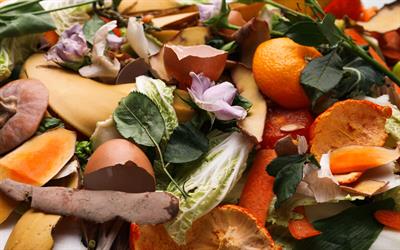
The growing global demand for sustainable and nutritious foods has intensified research into waste-to-value strategies for developing next-generation functional food products. Food and agricultural by-products, rich in bioactives, fibers, and enzymes, are now being valorized through advanced biotechnological interventions such as fermentation, enzymatic hydrolysis, and green extraction techniques (e.g., ultrasound, microwave, pulsed electric fields, and natural deep eutectic solvents-based extraction). These approaches not only enhance the bioavailability and bioaccessibility of functional compounds but also support circular economy principles by minimizing environmental burdens. Integrating food bioengineering, encapsulation, and nanotechnology allows the transformation of waste-derived bioactives into stable and effective food additives, nutraceuticals, and supplements. Such strategies align with the Food Biotechnology section’s focus on food bioactives, processing, and valorization, offering a sustainable pathway to convert low-value residues into high-value functional ingredients for health-promoting, next-generation food systems.
The global food industry generates substantial waste rich in bioactive compounds, proteins, and fibers that remain underutilized. The key problem this research topic aims to address is the lack of integrated waste-to-value strategies for transforming food and agricultural by-products into next-generation functional food products with enhanced bioactivity and bioavailability. Despite progress in waste valorization, challenges persist in optimizing extraction, purification, and stabilization processes that retain the nutritional and functional integrity of the waste while ensuring safety and sustainability. To achieve this, recent advances in green extraction technologies (ultrasound, microwave, pulsed electric field, and deep eutectic solvents-based extraction, etc.) can be combined with biotechnological tools such as enzyme-assisted hydrolysis, fermentation, and metabolic engineering to release and modify bioactives for enhanced functionality. Encapsulation techniques using nanocarriers or biopolymeric matrices can further improve bioaccessibility and controlled release. Additionally, integrating foodomics platforms (metabolomics, proteomics) with machine learning can guide process optimization and quality assessment. Such multidisciplinary approaches can convert plant, animal, and microbial wastes into value-added, high-functional ingredients, thereby reducing environmental impact and supporting a circular bioeconomy.
This Research Topic aims to explore sustainable approaches that convert food and agricultural waste into value-added functional ingredients and products. It focuses on circular bioeconomy concepts, green processing technologies, and innovative applications for health-promoting foods. Specific themes included, but are not limited to:
• Biotechnological valorization of food and agro-industrial by-products for recovery of bioactives, enzymes, pigments, and nutraceuticals.
• Advanced extraction and encapsulation technologies for enhancing the bioavailability and stability of recovered compounds.
• Fermentation and enzymatic bioprocessing for functional food development using microbial, plant, or animal-based substrates.
• Functionalization and formulation strategies for next-generation food additives, supplements, and delivery systems.
• Foodomics and quality assurance to evaluate nutritional, safety, and toxicological aspects of waste-derived products.
• Life cycle assessment (LCA) and circular bioeconomy approaches to evaluate the sustainability and scalability of waste-to-value innovations.
• Food Safety, Regulatory Perspectives, and Consumer Acceptance of Waste-Derived Functional Ingredients.
• Integration of AI, IoT, and innovative processing tools in sustainable waste valorization.
This Research Topic accepts the following article types, unless otherwise specified in the Research Topic description:
Articles that are accepted for publication by our external editors following rigorous peer review incur a publishing fee charged to Authors, institutions, or funders.
Keywords: Food waste valorization, functional food development, bioactive compound recovery, sustainable bioprocessing, circular bioeconomy
Important note: All contributions to this Research Topic must be within the scope of the section and journal to which they are submitted, as defined in their mission statements. Frontiers reserves the right to guide an out-of-scope manuscript to a more suitable section or journal at any stage of peer review.
Manuscripts can be submitted to this Research Topic via the main journal or any other participating journal.
Submit your idea
You will be redirected to our submission process.
