 Andrea Arrones1
 Giulio Mangino1
 David Alonso1
 Mariola Plazas1
 Jaime Prohens1
 Ezio Portis2
 Lorenzo Barchi2
 Giovanni Giuliano3
 Santiago Vilanova1*
 Pietro Gramazio4*
- 1Instituto de Conservación y Mejora de la Agrodiversidad Valenciana, Universitat Politècnica de València, Valencia, Spain
- 2Dipartimento di Scienze Agrarie, Forestali e Alimentari (DISAFA), Plant Genetics and Breeding, University of Turin, Grugliasco, Italy
- 3Agenzia Nazionale Per Le Nuove Tecnologie, L’energia e Lo Sviluppo Economico Sostenibile (ENEA), Casaccia Research Centre, Rome, Italy
- 4Instituto de Biología Molecular y Celular de Plantas, Consejo Superior de Investigaciones Científicas-Universitat Politècnica de València, Valencia, Spain
Understanding the mechanisms by which chlorophylls are synthesized in the eggplant (Solanum melongena) fruit peel is of great relevance for eggplant breeding. A multi-parent advanced generation inter-cross (MAGIC) population and a germplasm collection have been screened for green pigmentation in the fruit peel and used to identify candidate genes for this trait. A genome-wide association study (GWAS) performed with 420 MAGIC individuals revealed a major association on chromosome 8 close to a gene similar to APRR2. Two variants in SmAPRR2, predicted as having a high impact effect, were associated with the absence of fruit chlorophyll pigmentation in the MAGIC population, and a large deletion of 5.27 kb was found in two reference genomes of accessions without chlorophyll in the fruit peel. The validation of the candidate gene SmAPRR2 was performed by its sequencing in a set of MAGIC individuals and through its de novo assembly in 277 accessions from the G2P-SOL eggplant core collection. Two additional mutations in SmAPRR2 associated with the lack of chlorophyll were identified in the core collection set. The phylogenetic analysis of APRR2 reveals orthology within Solanaceae and suggests that specialization of APRR2-like genes occurred independently in Cucurbitaceae and Solanaceae. A strong geographical differentiation was observed in the frequency of predominant mutations in SmAPRR2, resulting in a lack of fruit chlorophyll pigmentation and suggesting that this phenotype may have arisen and been selected independently several times. This study represents the first identification of a major gene for fruit chlorophyll pigmentation in the eggplant fruit.
Introduction
Chlorophylls are the most widely distributed and important natural pigments because of their essential role in photosynthesis (Gross, 2012; Jia et al., 2020). They are tetrapyrrole compounds, as are two other important plant cofactors, heme and phytochrome (Senge et al., 2014). Chlorophylls are also important photosensitizers, producing Reactive Oxygen Species (ROS) under saturating light intensities (Foyer, 2018). Their metabolism impacts the assembly of photosynthetic machineries but also influences processes such as programmed cell death, the ‘stay-green’ phenomenon, and chloroplast–nucleus communication (Tanaka and Tanaka, 2006). To optimize photosynthesis and cope with alterations in the light environment, plants have evolved a complex and highly regulated process of chloroplast development (Dubreuil et al., 2018). Given the increasing demand for plant products, as important food sources in the human diet and for many other industrial uses (Pérez-Gálvez et al., 2020), photosynthesis and chloroplast biogenesis have received intensive investigation for their positive involvement in crop nutritional quality (Llorente et al., 2020).
Leaves are the major organs of photosynthesis for most plants, where light energy is absorbed and received by chlorophyll molecules (Ospina Calvo et al., 2017). Green fruits also contain functional chloroplasts with an important photosynthetic activity that affects the fruit growth, development, and composition, leading to the accumulation of metabolites associated with nutritional quality (Ospina Calvo et al., 2017; Jia et al., 2020). Therefore, enhancing fruit chloroplast activity and accumulation can result in mature fleshy fruit with higher nutritional values (Powell et al., 2012; Pan et al., 2013; Jia et al., 2020).
Eggplant (Solanum melongena L.) is a widely grown crop, ranking third in global production among Solanaceae crops (FAOSTAT, 2020). It is characterized by a high diversity of commercial fruit colours, which depend mainly on the presence or absence of two pigments: anthocyanins and chlorophylls (Daunay et al., 2004; Page et al., 2019). In eggplant, anthocyanins are responsible for the purple colour of fruit peel, one of the traits of greatest interest in eggplant breeding (Daunay and Hazra, 2012). Chlorophylls confer green colour to fruit peel that is visible when anthocyanins are absent or present in small concentrations. If anthocyanins are present, chlorophylls contribute to a darker background and reinforce the fruit darkness (Daunay et al., 2004). Purple-coloured eggplants are the most demanded in many markets (Li et al., 2018a), and developing dark purple-coloured eggplants, which result from the combination of anthocyanins with chlorophylls, is a major objective in eggplant breeding programs.
Candidate genes have been proposed for fruit anthocyanin synthesis, distribution, and accumulation (Moglia et al., 2020; Toppino et al., 2020; Mangino et al., 2022; Yang et al., 2022). However, causative genes for the presence of fruit chlorophylls in the eggplant fruit peel have not been elucidated yet. Although there are already some studies of QTLs in eggplant, none of them is focused on this trait. Up to now, it has only been observed that green fruit peel colour is dominant over the white one and the monogenic dominance of the green flesh over the white one, suggesting the dominance of chlorophyll presence over its absence (Daunay et al., 2004). Other studies reported that wild eggplant populations mainly exhibit fruits with green or greenish colour, whereas the white ones are more typical of some cultivated and weedy eggplants from southern India, conferring them the “egg-plant” or “vegetable egg” common name (Davidar et al., 2015; Mutegi et al., 2015). A single major QTL at the top of chromosome 8 was reported for a related trait, the presence of a green ring in the flesh next to the skin, and a member of the ferredoxin gene family was suggested as the best candidate due to its involvement in chlorophyll production (Portis et al., 2014).
The presence of chlorophylls in the eggplant fruit peel, not only for their influence on fruit colour but also for their potential effect on fruit composition, makes their study interesting for eggplant breeding. In this respect, the use of experimental and germplasm populations has been of great relevance for mapping quantitative trait loci (QTLs) and identifying candidate genes related to agronomic traits of interest (Gramazio et al., 2018). Here, for the first time, we identify a major candidate gene controlling the fruit skin chlorophyll biosynthesis in eggplant by using a multi-parent advanced generation inter-cross (MAGIC) population and a core germplasm collection for gene validation.
Results
Phenotypic variation and association analysis
MAGIC population founders are contrasting for fruit peel chlorophyll (FC), showing six out of eight founders the presence of FC, namely MM1597, DH ECAVI, MM577, AN-S-26, H15, and ASI-S-1 (founders A, B, C, D, E, and H, respectively), and two of them, A0416 and IVIA-371 (founders F and G, respectively), the absence of FC (Figure 1). The screening for FC segregation among the 420 S3MEGGIC individuals revealed considerable variation for this trait. The dominance of the FC presence was confirmed by the phenotype of the simple hybrids obtained by crossing founders with and without FC for developing the S3MEGGIC population (ExF and GxH hybrids) (Figure 1). No maternal effect was observed on FC in hybrids.
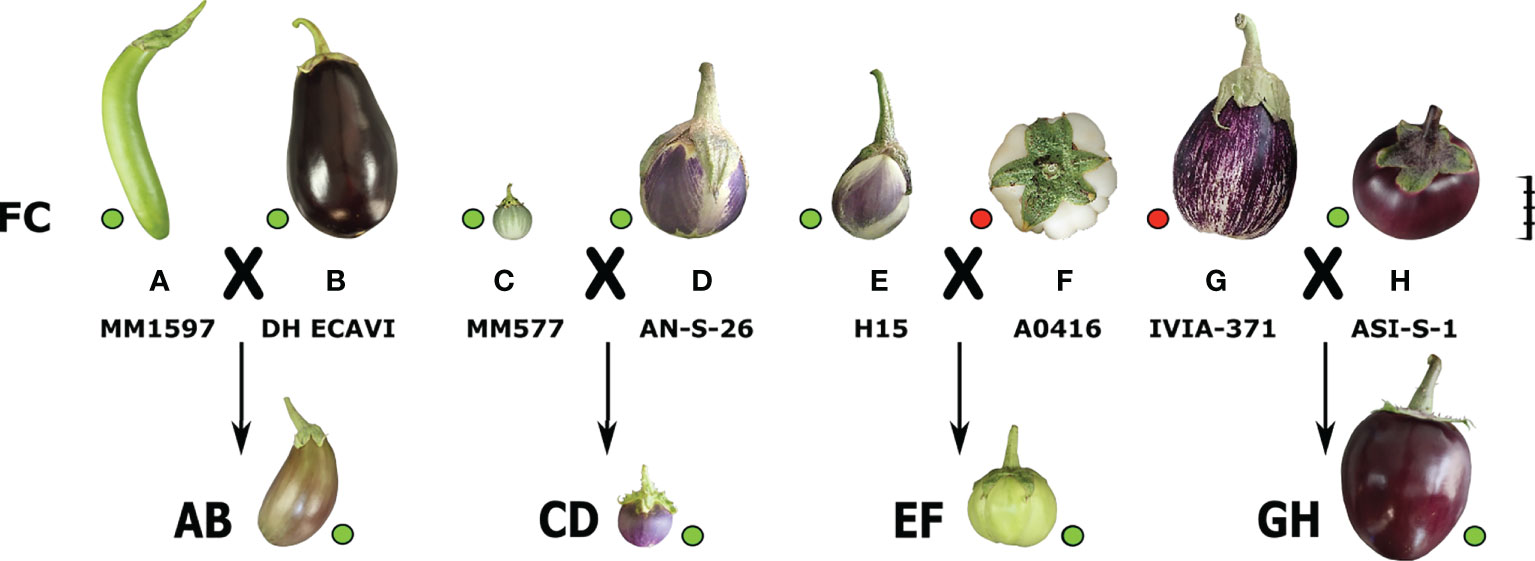
Figure 1 The eight founders, coded from A to H, from the S3MEGGIC population and the four simple hybrids obtained from their inter-cross (AB, CD, EF and GH) are represented at a scale based on the real fruit size. The scale bar represents 5 cm. Phenotyping for FC is represented by green and red dots, respectively.
GWAS analysis combining the genotypic and phenotypic data of the S3MEGGIC population led to the identification of significant associations for FC presence. The Manhattan plot revealed one major peak on chromosome 8, plus another one with a lower significance value on chromosome 4 (Figure 2). For the major peak on chromosome 8, 12 significant SNPs over the FDR threshold (LOD > 3.45) were identified, eight of them being over the Bonferroni threshold (LOD > 5.16) in the genomic region between 103.22 and 104.98 Mb and reaching the LOD of 34.88. On chromosome 4 there were eight significant SNPs over the FDR threshold (LOD > 3.45) in the region between 3.23 and 6.35 Mb, but none of them was significant over the Bonferroni threshold.
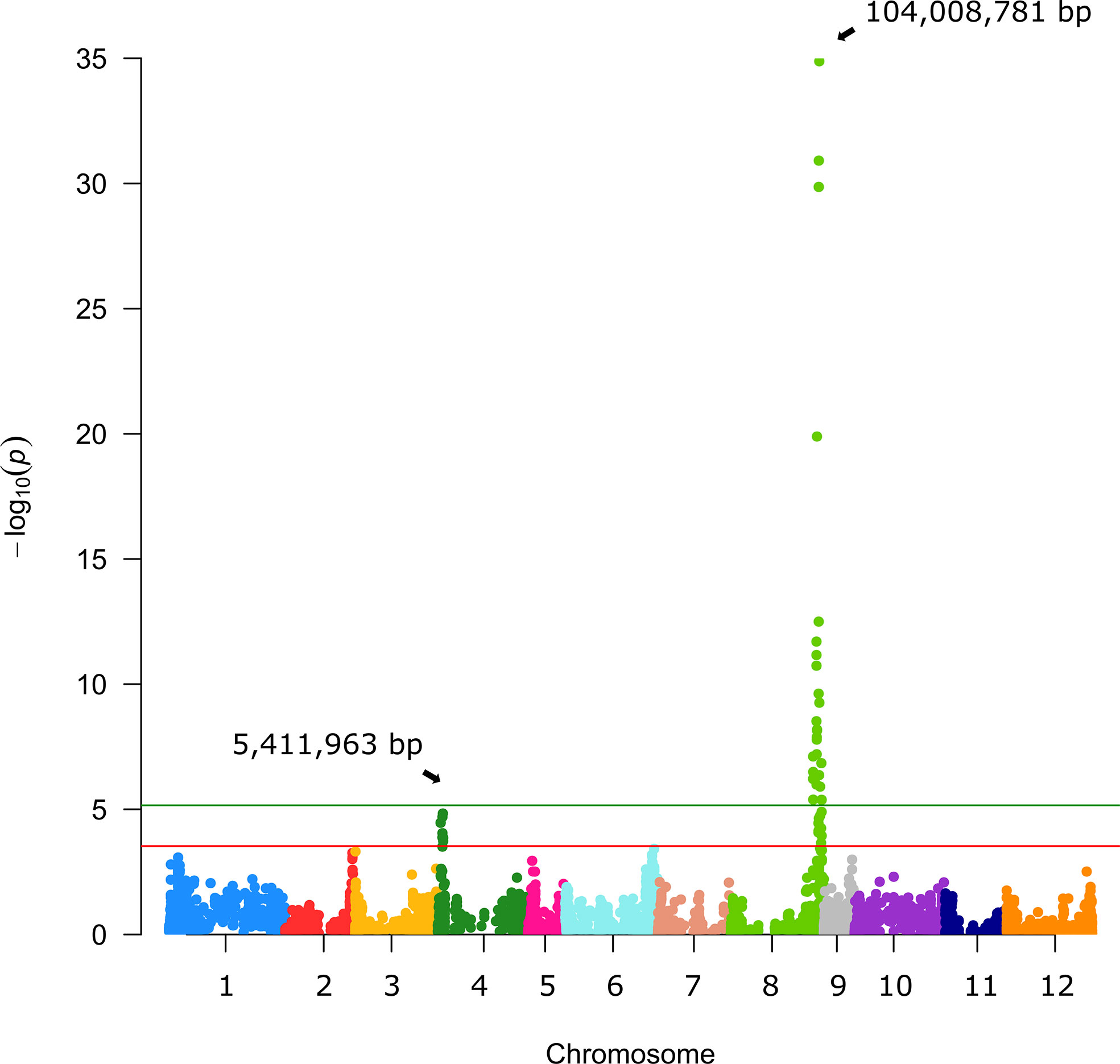
Figure 2 Manhattan plot for fruit chlorophyll. Arrows indicate the genome position of the highest peaks detected for the fruit peel chlorophyll trait. The red and green horizontal lines represent, respectively, FDR and Bonferroni significance thresholds at p = 0.05.
For the main candidate region on chromosome 8, a comparative analysis of the founder haplotype diversity was performed in the S3MEGGIC population (Figure 3). The haplotype prediction of the 156 S3 lines with the lack of FC (i.e., having A0416 or IVIA-371 founder haplotypes) was successful in 91.03% of the cases. In this way, 50.00% of the cases (78 of 156) corresponded to the A0416 haplotype and 41.03% (64 of 156) to the IVIA-371 haplotype. In 6.41% of cases (10 of 156), the absence of FC was associated with the wild S. incanum MM577 founder haplotype, which presents some degree of heterozygosity that could have interfered with the association analysis. The remaining 2.46% (4 of 156) was evenly distributed between MM1597 and ASI-S-1 haplotypes, which could be the result of inaccurate phenotyping due to the presence of anthocyanins or of a small stylar scar, making phenotyping difficult.
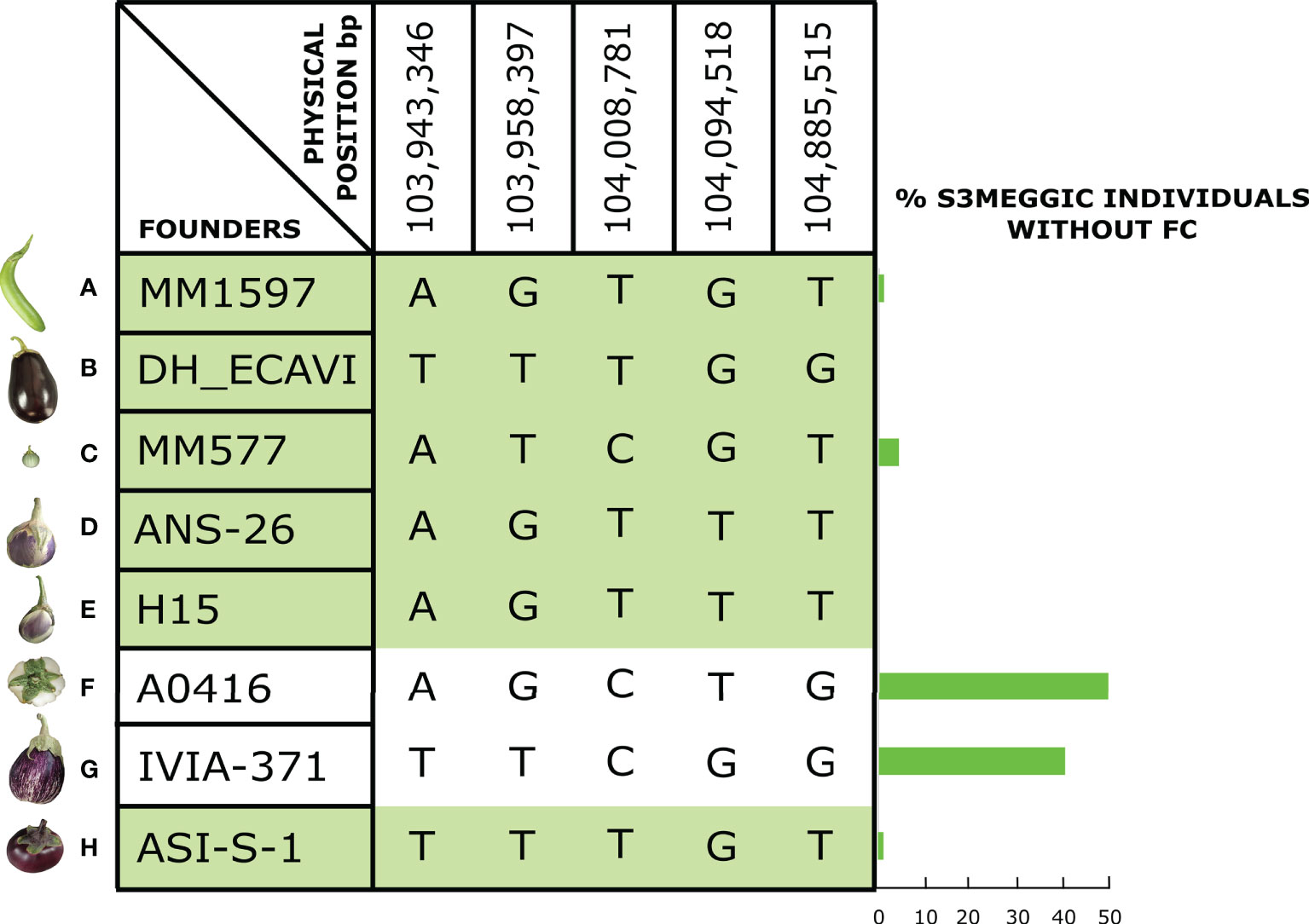
Figure 3 On the left, S3MEGGIC founder haplotypes at the most significant genomic region of chromosome 8; on the right, a histogram representing the percentage of S3MEGGIC individuals without FC with the same founder haplotype in that region.
Candidate genes for chlorophyll biosynthesis
Based on the results of the GWAS analysis, putative candidate genes were identified close to or within LD blocks defined in the genomic regions with significant associations (Figure S1, Table S1). From the S3MEGGIC founders’ resequencing data, variants with high impact effects on protein structure and function were annotated by SnpEff for all the candidate genes. Under the major GWAS peak of chromosome 8, in the genomic region of 104,008,667 – 104,012,138 bp, a candidate gene was identified as similar to ARABIDOPSIS PSEUDO RESPONSE REGULATOR2 (APRR2, SMEL_008g315370.1), which has been described as a pigment accumulation regulator and chloroplast development promotor in several solanaceous and cucurbitaceous crops (Pan et al., 2013; Liu et al., 2016; Oren et al., 2019). This gene presented high impact variants in those S3MEGGIC founders that do not present FC (founders F and G), which was confirmed by aligning all founder gene sequences retrieved and visualized in IGV. Specifically, founders F and G exhibited small deletions predicted to cause a frameshift variant identified as high impact: TG instead of TCTCCG in the 14,010,718 bp position on exon 3 and AT instead of ACT in the 104,011,578 bp position on exon 6, respectively (Figure 4A).
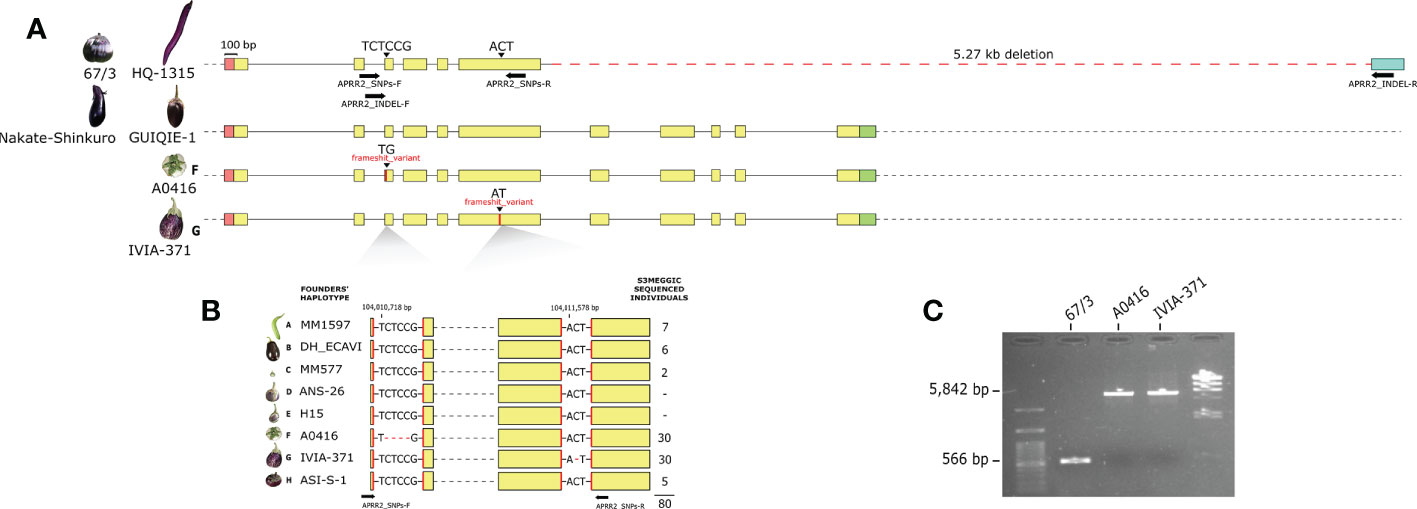
Figure 4 (A) SmAPRR2 gene structure (5’-UTR in red, exons in yellow, 3’-UTR in green and 3’-UTR annotated in the 67/3 eggplant reference genome in blue) for 67/3, HQ-1315, Nakate-Shinkuro, GUIQIE-1 reference genomes and A0416 and IVIA-371 (S3MEGGIC founders F and G, respectively). Structural variations are indicated with black arrowheads and primers hybridization positions with horizontal black arrows. (B) The 80 S3MEGGIC selected individuals for sequencing based on their haplotype and their respective SmAPRR2 gene sequence between APRR2_SNPs primers. (C) Electrophoresis gel of the PCR amplification using APRR2_INDEL primers for 67/3 and S3MEGGIC founders F and G genomes.
Same procedure was performed for the minor peak on chromosome 4. All the candidate genes close to or within the LD block including the genomic region with significant association were annotated by SnpEff for each of the S3MEGGIC founders. In the genomic region of 5,457,658 – 5,461,306 bp, a candidate gene was identified as similar to GLK2 (SMEL_004g203570.1), which has been described as a positive regulator of chloroplast development and pigment accumulation in tomato fruit (Powell et al., 2012; Nguyen et al., 2014). Although according to the SmGLK2 annotation it might fit with the regulation of chlorophyll biosynthesis, no high-effect variants were predicted by SnpEff in this gene for any of the founders without FC.
Variants on SmAPRR2 sequence
To confirm experimentally the high impact variants predicted by SnpEff for S3MEGGIC founders F and G in the SmAPRR2 gene sequence, 80 S3MEGGIC individuals were selected based on their phenotype and haplotype (20 individuals with FC, 30 with A0416 haplotype and 30 with IVIA-371 haplotype). The SmAPRR2 gene sequence of the selected individuals was amplified by PCR using the primers combination APRR2_SNPs, which amplified a region of 1,363 bp where the two high impact variants were located (Figure 4A, Table S2). The Sanger sequencing of the amplicon confirmed the presence of specific allelic variants according to their phenotype (Figure 4B). The T(CTCC)G deletion was found in each of the 30 individuals with A0416 haplotype and the A(C)T deletion was found in each of the 30 individuals with IVIA-371 haplotype. As expected, no other variants were identified in the 20 remaining individuals that presented FC.
To further investigate the SmAPRR2 gene structure, its nucleotide sequence was retrieved from the reference genome 67/3 (ver. 3, Barchi et al., 2019b), which corresponds to an accession without FC (SMEL_008g315370.1), presenting a 3,471-bp gene comprising 6 exons. The same gene structure was observed also in the HQ-1315 eggplant reference genome (Wei et al., 2020), which corresponds to another accession without FC (Smechr0802018). However, in the Nakate-Shinkuro (Sme2.5_00446.1_g00003.1) and the GUIQIE-1 eggplant reference genomes (Hirakawa et al., 2014; Li et al., 2021), both of which exhibit FC, a larger gene size of 4.794 bp with 11 exons was found (Figure 4A). Comparing the four reference genomes for the SmAPRR2 gene structure, a large deletion of 5.27 kb was identified on 67/3 and HQ-1315 accessions causing the loss of exons 7 to 11. This large deletion did not correspond with the two high-effect variants observed in the S3MEGGIC population, where the larger gene size of 11 exons was the only SmAPRR2 gene structure present in the population. The presence of the large deletion in the 67/3 accession was confirmed by PCR, using the APRR2_INDEL primers, comparing its amplicon size with those of founders F and G (Figure 4C, Table S2). While founders F and G exhibited an amplicon size of 5,842 bp, the 67/3 accession amplified a shorter fragment of only 566 bp, which was in agreement with the in-silico prediction.
The large deletion present in the 67/3 and HQ-1315 accessions could be responsible for the absence of FC in these genotypes, since they did not present the same high-effect variants found on founders F and G. By analysing the full-length amino acid sequence of SmAPRR2 in the NCBI conserved domain server (https://www.ncbi.nlm.nih.gov/Structure/cdd/wrpsb.cgi), the 132 truncated residues at the C-terminal region caused the loss of a functional domain (184 amino acids) that corresponded to a golden-2 like transcription factor domain (Figure 5A).
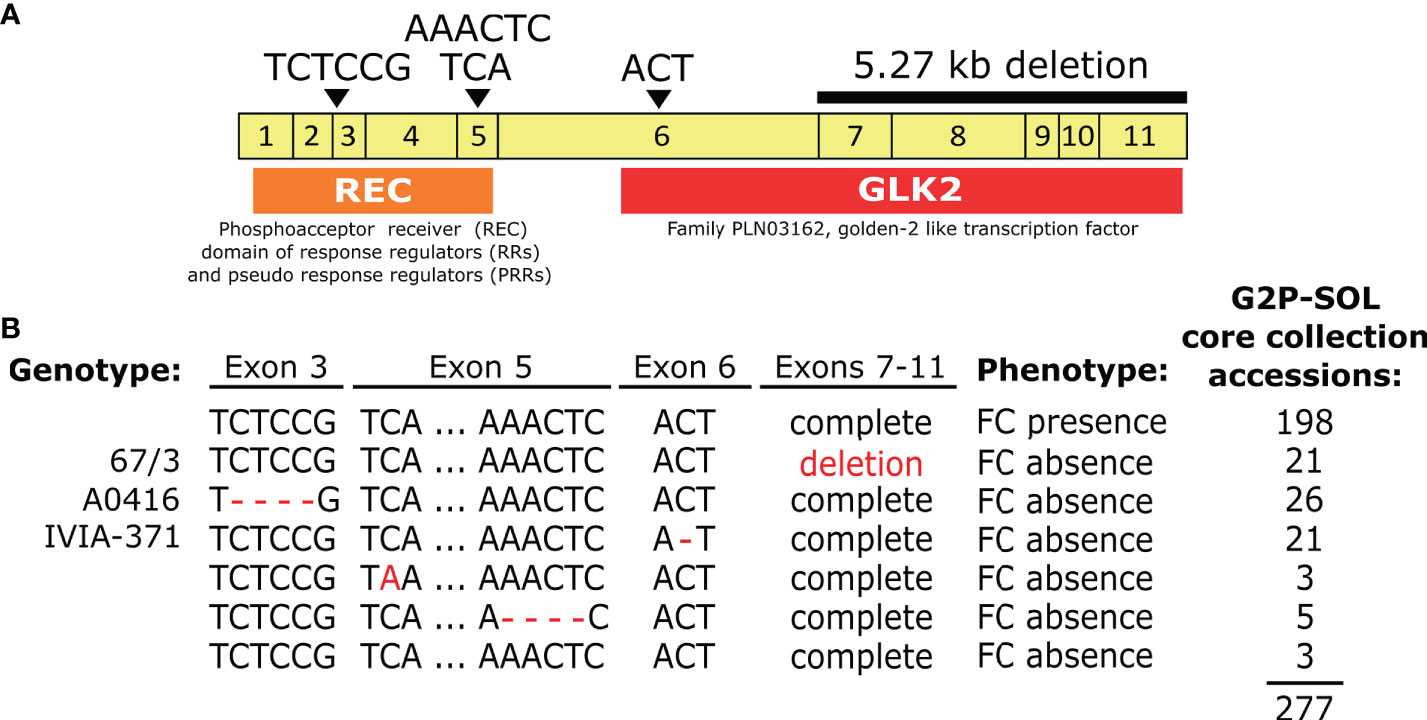
Figure 5 (A) Conservative domain analysis of SmAPRR2 full-length amino acid gene sequence, including the coding DNA sequence (CDS) indicating each of the exons as yellow boxes, the position of the different variants identified as causative for fruit chlorophyll absence indicated with black arrowheads, the large 5.27 kb deletion and the conserved domains REC and GLK2 as orange and red boxes, respectively. (B) Gene sequence variants identified from the assembly and alignment of 277 accessions from the eggplant G2P-SOL germplasm core collection indicating the genotype, phenotype and the number of accessions carrying each variant.
To investigate the APRR2 gene structure in relevant species in the Solanaceae and Cucurbitaceae families, a phylogenetic analysis was performed revealing orthology among APRR2-like proteins within families, although no clear relationship was found between the Cucurbitaceae and Solanaceae genes (Figure 6 and Figure S2).
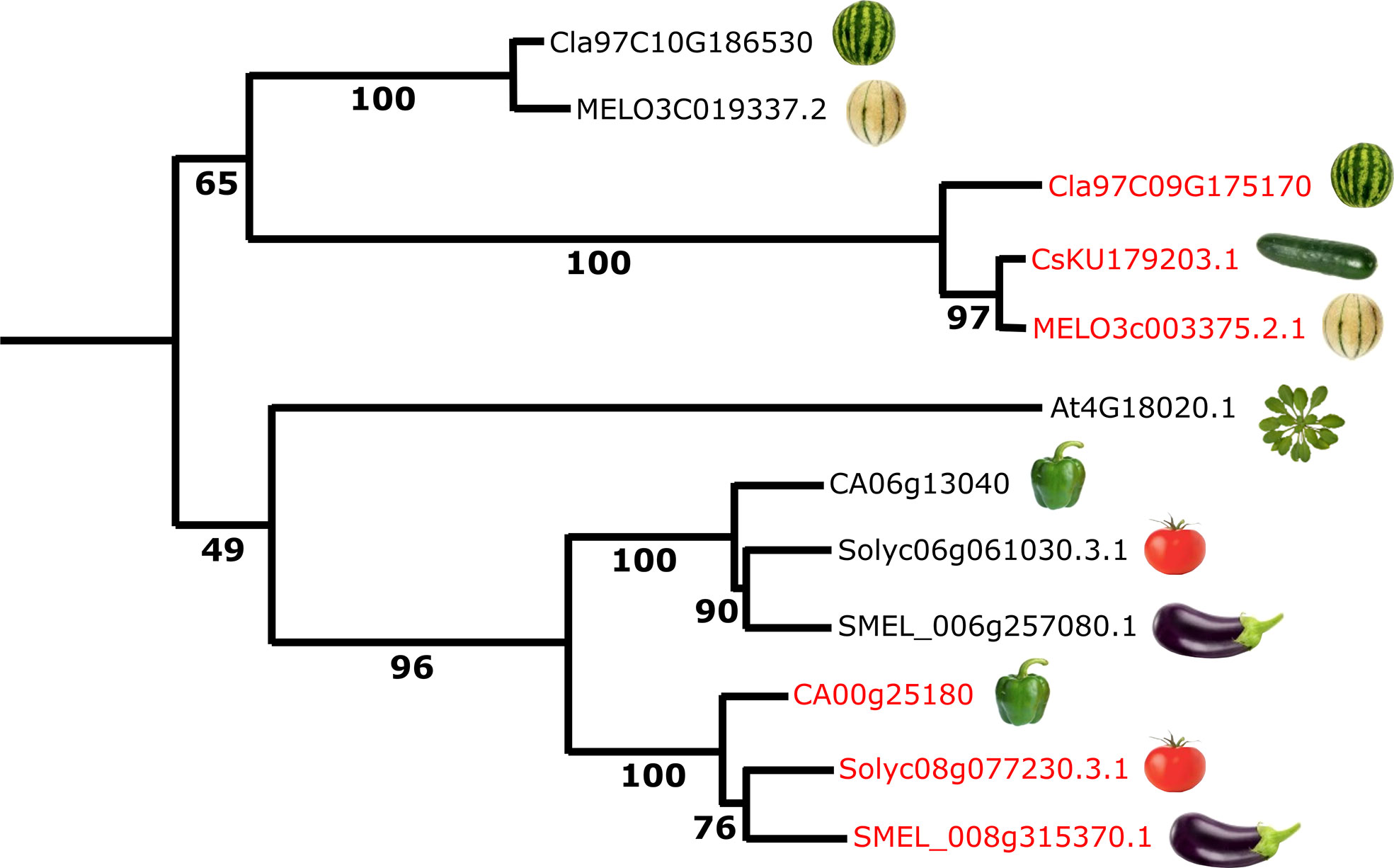
Figure 6 Maximum likelihood dendrogram of APRR2-like proteins from Arabidopsis thaliana, Cucurbitaceae and Solanaceae species. The red-coloured proteins control fruit chlorophyll pigmentation (Pan et al., 2013; Liu et al., 2016; Oren et al., 2019; Jeong et al., 2020; this paper). Cla, Citrullus lanatus (watermelon); MELO, Cucumis melo (melon); Cs, Cucumis sativus (cucumber); At, Arabidopsis thaliana; CA, Capsicum annuum (bell pepper); Solyc, Solanum lycopersicum (tomato); SMEL, S. melongena (eggplant). Gene/IDs are from Cucurbitgenomics.org (Cucurbitaceae), Solgenomics.net (Solanaceae), Arabidopsis.org (Arabidopsis) and NCBI (cucumber).
Gene validation in a germplasm collection
The SmAPRR2 gene sequence was also analysed in a highly diverse germplasm population to validate the hypothesis of SmAPRR2 as the best candidate gene for FC biosynthesis. The assembly and alignment of 277 accessions from the eggplant G2P-SOL germplasm core collection allowed their classification according to the candidate variants causative for FC absence (Figure 5B, Table S3). Among the 79 accessions without FC, 26.58% (21 of 79) presented the 5.27 kb deletion, the same as the 67/3 and HQ-1315 reference genomes, 32.91% (26 of 79) presented the A0416 (S3MEGGIC population founder F) deletion, and 26.58% (21 of 79) presented the IVIA-371 (S3MEGGIC population founder G) deletion. The remaining 11 accessions exhibited two new high impact variants: three presented a C→A SNP in the 104,011,141 bp position on exon 5, resulting in a premature stop codon, while 5 presented a small A(AACT)C deletion in the 104,011,149 bp position on exon 5, resulting in a frameshift mutation. The remaining 3 accessions without FC had none of the above variants or any apparent high-effect mutation in the sequence SmAPRR2. This discrepancy might be caused by phenotyping errors. As expected, for the 198 accessions with FC none of the five variants were observed in the SmAPRR2 gene sequence.
Furthermore, we checked if there was an association between the geographical origins of the G2P-SOL germplasm core collection accessions and the different variants identified in the SmAPRR2 gene (Figure 7). It was observed that the 5.27 kb deletion predominated in accessions from Italy (nine of 21, 42.86%), followed by Philippines (four of 21, 19.05%), while the rest of the accessions where mainly distributed among France, China, and India (two of 21 each, 9.52%). The S3MEGGIC founder F (A0416) indel was mainly observed in Thailand and Laos, where 73.08% (19 of 26) and 15.38% (four of 26) of the accessions originated, respectively. Finally, the S3MEGGIC founder G (IVIA-371) indel was distributed mainly between Turkey and Spain with 33.33% (seven of 21) of the accessions having this mutation present in each country, followed by India with a 19.05% (four of 21).

Figure 7 Distribution of the three most abundant high effect variants identified in the SmAPRR2 gene sequence according to the country of origin of the 277 accessions from the eggplant G2P-SOL germplasm core collection. The numbers on the scale next to each map indicate the numbers of accessions from each country carrying the mutation. Bottom right, a stacked column chart comprising the frequency of the different SmAPRR2 gene variants across the countries of origin: Italy (ITA), Philippines (PHL), France (FRA), China (CHN), Malaysia (MYS), Thailand (THA), Laos (LAO), Cambodia (KHM), Vietnam (VNM), Turkey (TUR), Spain (ESP), Bulgaria (BGR), Ivory Coast (CIV), India (IND), and Sri Lanka (LKA).
In addition, each high impact variation seemed to be mostly associated with a specific phenotype. The presence of homogeneous fruit anthocyanins with no pigmentation under the calyx was observed for the 5.27 kb deletion in 66.67% (14 of 21) of cases, while completely white fruits or the presence of green netting in a white background was found for the S3MEGGIC founder F (A0416) variant in 88.46% (23 of 26) of cases, and the presence of stripped distribution of anthocyanins on a white background for the S3MEGGIC founder G (IVIA-371) indel was found in 66.67% (14 of 21) of cases. Regarding the two new high impact variants identified, the low number of accessions did not allow to identify a region of predominant distribution, although the A(AACT)C deletion was exclusively located in India and Sri Lanka.
Discussion
Among fruit quality traits, peel colour is of primary importance because pigments that confer colour are not only associated with visual preferences, but also with nutritional, health, and flavour values (Brand et al., 2014). Eggplant varieties and landraces display different colours at commercial maturity, resulting from a combination of different patterns of presence or absence of anthocyanins and chlorophylls. Although chlorophylls in the peel of fleshy fruits might have a considerable effect on the quality composition of eggplant, as has been demonstrated for tomato (Li et al., 2018b), responsible genes have not been elucidated yet.
To dissect this important trait for eggplant genetics and breeding, in this study we have combined classical forward genetics techniques with advanced association and sequencing analyses, using both experimental populations and germplasm materials to identify and validate a candidate gene controlling the synthesis of fruit peel chlorophyll. Up to now, the dissection of complex traits in eggplant has been usually performed using germplasm panels (Portis et al., 2015) or temporary mapping populations, such as F2 and BC1 (Barchi et al., 2012; Miyatake et al., 2016; Pandiyaraj et al., 2019; Bhanushree et al., 2020). These populations have the advantage of being easy and fast to develop but are not as powerful as the immortal ones to identify strong associations, candidate genes or causative SNPs, and accumulate fewer genetic recombination events, limiting the resolution for QTL detection (Arrones et al., 2020). In eggplant, this has led to the identification of very few candidate genes controlling traits of interest, lagging it behind other major crops where multiple bi-parental and multi-parent experimental populations have been developed and available for many years already (Gramazio et al., 2018). Luckily, in the last few years, new advanced populations have been developed in eggplant, including recombinant inbred lines (RILs) (Lebeau et al., 2013; Mishra et al., 2020; Toppino et al., 2020; Sulli et al., 2021), and one set of introgression lines (ILs) (Gramazio et al., 2017). These populations have allowed the identification of many and highly relevant QTLs (Mangino et al., 2020; Mangino et al., 2021; Toppino et al., 2020; Rosa-Martínez et al., 2022). Eventually, the first eggplant multi-parent advanced generation inter-cross (MAGIC) population has also been developed, allowing the identification of candidate genes for anthocyanin pigmentation in eggplant fruits with greater accuracy and statistical robustness (Mangino et al., 2022).
In this study, this new MAGIC population, called S3MEGGIC, allowed the identification by GWAS analysis of a strong association (LOD = 34.88) for fruit chlorophyll in the peel and the identification of several potential candidate genes beneath or close to the association peak. Furthermore, the whole-genome resequencing of the founders coupled with the high-throughput genotyping of the 420 S3MEGGIC individuals through the identification of “high-impact” variants and haplotype predictions provided strong evidence that ARABIDOPSIS PSEUDO RESPONSE REGULATOR2 (APRR2) is the candidate gene for controlling this important trait. In tomato, the overexpression of SlAPRR2 in transgenic plants resulted in an increased plastid number, area, and pigment content, enhancing chlorophyll levels in immature unripe fruits (Pan et al., 2013). Through the development of two F2 and one BC1 mapping populations in cucumber, CsAPRR2 was identified as responsible for the green colour of immature fruits (Jiao et al., 2017). In the case of melon and watermelon, the development of different bi-parental segregating populations and a GWAS panel allowed the association of CmAPRR2 and ClAPRR2 as causative genes regulating fruit rind chlorophyll accumulation (Oren et al., 2019). Similarly, in pepper, CaAPRR2 was found to be strongly associated with chlorophyll pigment accumulation in immature fruit tissues through the analysis of an F2 population and confirmed through virus-induced gene silencing (VIGS) (Jeong et al., 2020). Null mutations on APRR2 have been related in some way to alterations in abscisic acid (ABA) signalling related to plastid development causing reduced chloroplast density and chlorophyll content (Pan et al., 2013; Oren et al., 2019). Here, we present the first evidence of APRR2 as the main actor in chlorophyll presence in the peel of eggplant fruits. Previous studies focused on the eggplant green ring, observed in the flesh next to the skin in an F2 population, identified a major QTL on chromosome 8 linked to the marker 35002_PstI_L402 (Portis et al., 2014). Although these authors identified a member of the ferredoxin gene family as the best candidate gene, the marker position is only 623 kb away from the SmAPRR2 gene.
Thus, APRR2 homologs have been shown to control fruit chlorophyll content in six different species: three Cucurbitaceae (melon, watermelon and cucumber) and three Solanaceae (tomato, pepper and eggplant). It is noteworthy that the three Cucurbitaceae genes are orthologs of each other, as are the three Solanaceae ones. In contrast, no clear evolutionary relation could be found between the Cucurbitaceae and Solanaceae genes. Thus, the most likely scenario is that the specialization of these APRR2-like genes in controlling fruit chlorophyll content occurred early during the evolution of Cucurbitaceae and Solanaceae, and that the two events were independent from each other.
We also reported that the SmAPRR2 gene sequence for the 67/3 and HQ-1315 eggplant reference genomes, both without fruit chlorophyll, presented a large deletion event of 5.27 kb, disrupting the chlorophyll synthesis in the fruit peel. However, a larger gene size of 4.794 bp with 11 exons was found in the Nakate-Shinkuro and GUIQIE-1 eggplant reference genomes, both with FC (Hirakawa et al., 2014; Li et al., 2021). The availability of different reference genomes contrasting for several traits, like in this study for fruit chlorophyll, fosters their dissection and highlights the need for developing newer, more phenotypically diverse, and accurate reference genomes (Li et al., 2021). The Nakate-Shinkuro and GUIQIE-1 SmAPRR2 gene structure is largely in agreement with the ones reported in other species, such as the tomato gene Solyc08g077230 with a 5,831 bp gene size and 11 exons, the cucumber Csa3G049490 with 5,864 bp and 13 exons, the melon Melo3C003375 with approximately 6,949 bp and 10 exons, the watermelon Cla97C09G175170 with 7,206 bp and 12 exons, or the pepper Ca06g13040 with 4,428 bp and 11 exons (Solgenomics.net and Cucurbitgenomics.org). The deletion found in 67/3 and HQ-1315 was associated with 132 residues causing the loss of a functional domain, the golden-2 like transcription factor. A similar deletion in the cucumber CsAPRR2 gene, encoded for a truncated 101-amino acid protein, was suggested to control the white immature skin fruit colour (Liu et al., 2016). A subcellular localization analysis revealed that the loss of the CsAPRR2 golden-2 like transcription factor, which acts as a nuclear localization signal domain, caused the impossibility for the protein to enter the nucleus and perform its function (Jiao et al., 2017).
The availability of a large number of accessions, which included a broad range of eggplant genetic diversity, of the eggplant G2P-SOL germplasm core collection made possible the in-silico validation of the hypothesis of SmAPRR2 as the best candidate gene for fruit peel chlorophyll. Due to the high recalcitrance of in vitro regeneration after Agrobacterium-mediated transformation of eggplant (García-Fortea et al., 2020; Mir et al., 2021), routinely reverse genetics gene validation techniques, such as over-expression or knock-out, are still the major bottleneck in this crop. Therefore, the screening of large germplasm collection remains the best choice to indirectly validate gene functions. In fact, despite the explosion of CRISPR/Cas studies in many crops, the first and only eggplant CRISPR plant so far has been obtained by the authors of this study (Maioli et al., 2020), reflecting the inevitable need for alternative indirect validations until new protocols overcome the recalcitrance.
Combining all this information, we highlighted that the two small high-impact variants identified in the S3MEGGIC population, the large deletion of the 67/3 and HQ-1315 reference genomes plus the two high-impact disruptive variants identified in the core collection are responsible for the lack of chlorophyll in the fruit. These five disruptive mutations indicate that the lack of chlorophyll in the eggplant fruit peel has arisen and been selected independently several times, suggesting a prominent role of this trait in eggplant domestication and diversification. Furthermore, we observed that mutated SmAPRR2 gene variants displayed a different and specific geographical distribution, being also associated with a specific phenotype. This distribution might be related to the domestication flows of eggplant together with local preferences. It has been suggested that two main different domestication events occurred in eggplant, one in India and one in China, since both regions have a high diversity of landraces and populations of putatively wild eggplants (Meyer et al., 2012). Here, we observed that India concentrated the greatest diversity for high impact gene variants for the SmAPRR2, including accessions with almost all the identified gene variants. Meyer et al. (2012) also proposed that landraces originated from India would have spread west to western Europe, possibly carried by Arab traders, while landraces arising in China spread to the northeast and southeast Asia. This hypothesis is in agreement with the high frequencies observed of the 5.27 kb deletion present in 67/3 and HQ-1315 and the indel present in the S3MEGGIC founder G (IVIA-371) in Europe, where purple eggplants are popular, and the indel of the S3MEGGIC founder F (A0416) to southeast Asia, where white eggplants are most consumed. This may also suggest that the mutations causing the lack of chlorophyll in gene SmAPRR2 predate the spread of eggplant to other regions outside its region of origin. In this respect, individuals with white fruits from wild populations of eggplant have been described in India and in other parts of Southeast Asia (Davidar et al., 2015; Page et al., 2019).
Although no clear evidence was found in our population, the Golden 2-like MYB (GLK2) gene, which was identified in the genome region where a minor GWAS peak was identified on chromosome 4, is described as a widely conserved transcription factor that positively regulates fruit chlorophylls in different species. Some reports suggest a role of GLK transcription factors in regulating chlorophyll levels in Arabidopsis, tomato, and pepper (Fitter et al., 2002; Powell et al., 2012; Brand et al., 2014). The potential tomato ortholog is the u (uniform ripening) gene affecting shoulder colour in unripe fruits (Powell et al., 2012). In eggplant, a QTL in chromosome 4 has been related to the reticulated pattern of chlorophylls in the fruit, also called fruit chlorophyll netting or variegation (Daunay et al., 2004; Frary et al., 2014). Although it seems to be independent of the uniform distribution of chlorophyll in the eggplant fruit peel, its presence in fruits could lead to phenotyping errors, which might account for the small discrepancies between the genotype and phenotype that we observed during the experimental procedures.
In conclusion, using different eggplant experimental materials, a MAGIC population and a germplasm core collection, combined with advanced association and bioinformatics analyses and classical genetics tools, we found that SmAPRR2 is a key gene in the eggplant fruit peel chlorophyll biosynthesis. Our finding is also supported by its conserved function in regulating fruit green pigmentation of different vegetable crops. The dissection of the genetics of this important trait will be extremely useful to foster future breeding programs focused not only on specific market demand based on visual preferences, but also on developing new varieties with improved nutritional quality and resilient against the upcoming environmental challenges due to the implication of chlorophylls in stress biology of plants. The identification of the eggplant SmAPRR2 represents a landmark for eggplant breeding for fruit colour and other related quality traits.
Experimental procedures
Plant materials
A total of 420 S3 individuals from the eggplant S3MEGGIC multi-parent advanced generation inter-cross (MAGIC) population developed by Mangino et al. (2022) were used to identify candidate genes associated with the chlorophyll pigmentation in the fruit peel. The S3MEGGIC population, which is the first and so far the only MAGIC population in eggplant, was obtained by inter-crossing one wild S. incanum accession and seven S. melongena accessions. Two out of the seven S3MEGGIC S. melongena founders (A0416 and IVIA-371; founders F and G, respectively) do not have chlorophyll in the fruit peel, resulting in a population of S3 individuals segregating for this trait. In addition, genomic sequences of 277 S. melongena accessions, available from the eggplant germplasm core collection established in the framework of the G2P-SOL project (http://www.g2p-sol.eu/G2P-SOL-gateway.html) and phenotyped for fruit peel colour, were interrogated for the candidate gene identified for controlling chlorophyll pigmentation. This core collection includes accessions used for developing the first eggplant pan-genome (Barchi et al., 2021).
Fruit chlorophyll phenotyping
The presence of chlorophyll distributed all over the peel of the fruit was screened in the 420 S3MEGGIC individuals and 277 core collection accessions using a binary classification (presence/absence). Fruits were phenotyped at the stage of commercial maturity (e.g., when the fruit is still physiologically immature). When the fruit peel had no anthocyanins or they were distributed irregularly, green pigmentation was easily phenotyped with the naked eye. However, when anthocyanins were distributed all over the fruit peel, the presence of chlorophylls was determined by observing the stylar scar on the distal part of the fruit (Daunay et al., 2004).
S3MEGGIC genome-wide association study (GWAS) and haplotype diversity
The genotyping data of the 420 S3MEGGIC individuals, assessed by the Single Primer Enrichment Technology (SPET) eggplant probes available (Barchi et al., 2019a), was retrieved from Mangino et al. (2022). Combining both phenotypic and genotypic data, a Genome-Wide Association Study (GWAS) was performed using the Trait Analysis by aSSociation, Evolution and Linkage (TASSEL) software (ver. 5.0, Bradbury et al., 2007). For the association study, mixed linear model (MLM) analyses were conducted. The multiple testing was corrected with the Bonferroni and the false discovery rate (FDR) methods (Holm, 1979; Benjanmini and Hochberg, 1995) at the significance level of 0.05 (Thissen et al., 2002). The R qqman (Turner, 2014) and LDBlockShow (Dong et al., 2021) packages were used for the Manhattan plots visualization and linkage disequilibrium (LD) determination for haplotype block structure plotting, respectively. LD correlation coefficient (r2) was used for the pattern of pairwise LD between SNPs measurement, considering haplotype blocks for r2 values greater than 0.5 and supported by the solid spine of LD method (Gabriel et al., 2002; Barrett et al., 2005). Candidate genes found in the most significant regions were first retrieved from the 67/3 eggplant reference genome (ver. 3) (Barchi et al., 2019b). Candidate gene allelic variants were assessed by SnpEff software prediction (ver. 4.2, Cingolani et al., 2012) on the eight S3MEGGIC founders’ resequencing data (Gramazio et al., 2019). Integrative Genomics Viewer (IGV) tool was used for the visual exploration of founder genome sequences to validate SnpEff results (Robinson et al., 2020). Founder haplotypes were estimated for the regions with significant associations using the SNPs with the highest LODs. In addition, a comparative analysis of founder haplotype diversity across the 420 S3MEGGIC individuals was performed by combining genotypic and phenotypic data.
SmAPRR2 sequence analysis
Allelic variants of the eggplant ARABIDOPSIS PSEUDO RESPONSE REGULATOR2 (SmAPRR2) gene were interrogated in the S3MEGGIC population. Of the total 420 S3 individuals, 20 individuals presenting fruit peel chlorophyll (including all combinations of founder haplotypes with chlorophyll presence) and 60 without fruit chlorophyll (30 associated with the A0416 founder haplotype and 30 with the IVIA-371 founder haplotype) were selected to confirm the involvement of the high-impact variants in SmAPRR2 identified in the resequencing data of the founders. Genomic DNA of the selected individuals was extracted using the SILEX extraction method (Vilanova et al., 2020) and its quality and integrity were checked by agarose electrophoresis and Nanodrop ND-1000 spectrophotometer ratios 260/280 and 260/230 (Thermo Fisher Scientific, Waltham, MA, United States). DNA concentration was estimated with Qubit 2.0 Fluorometer (Thermo Fisher Scientific, Waltham, MA, United States) and adjusted to 50 ng/µL for PCR amplification. In order to genotype the SmAPRR2 candidate allelic variants in the selected S3MEGGIC individuals, specific primers were designed based on the “67/3” reference genome sequence and founders’ resequencing data (Table S2) and the resulting amplifications were visualized by 1% agarose gel electrophoresis. For long amplification fragments (>5 kb), TaKaRa LA Taq® DNA Polymerase (Takara Bio Inc., Shiga, Japan), which is optimized for long-range PCR up to >15 kb fragments, was used. PCR amplicons were purified with ammonium acetate and sequenced by Sanger sequencing (DNA Sequencing Service, IBMCP-UPV, Valencia, Spain).
To compare the SmAPRR2 gene structure, the nucleotide sequence was retrieved by a BLASTx search (e-value cut-off of 1e-5) against different eggplant reference genomes showing fruit peel chlorophyll, such as the Nakate-Shinkuro and the GUIQIE-1 (Hirakawa et al., 2014; Li et al., 2021), and others showing absence of fruit peel chlorophyll, such as the 67/3 (ver. 3) and the HQ-1315 (Barchi et al., 2019b; Wei et al., 2020). A conservative domain analysis was performed by assessing the NCBI conserved domain server (https://www.ncbi.nlm.nih.gov/Structure/cdd/wrpsb.cgi). To gain insight into the relationship of APRR2-like proteins in different species, a phylogenetic analysis was also performed using the predicted protein sequences from Arabidopsis thaliana, Cucurbitaceae and Solanaceae families. Protein alignments were performed using MEGA 11.0.10 software (http://megasoftware.net/) and the dendrogram was constructed using the IQtree web server (http://iqtree.cibiv.univie.ac.at/) via maximum likelihood method with default settings.
Germplasm collection validation
To validate the SmAPRR2 allelic forms, we examined the GUIQIE-1 eggplant reference genome (Li et al., 2021), since GUIQIE-1 fruits have fruit peel chlorophyll and its assembly is much more complete than the Nakate-Shinkuro reference genome (Hirakawa et al., 2014). Furthermore, whole-genome resequencing data of the 277 eggplant G2P-SOL germplasm core collection were interrogated (unpublished data). After trimming with SOAPnuke software (Chen et al., 2018) with filter parameters: “-l 20 -q 0.5 -n 0.03 -A0.28”, reads were aligned against GUIQIE-1 genome using the Burrows-Wheeler Aligner (BWA) program (v. 0.7.17–r1188, Li and Durbin, 2009) and the ‘mem’ command with default parameters. Subsequently, reads mapping in the genomic region of SmAPRR2 were extracted with samtools and de novo assembled using Megahit (v.1.2.9, Li et al., 2015) with default parameters. The sequencing raw data of the newly sequenced accessions are available at NCBI SRA (BioProject ID PRJNA837769).
A multiple sequence alignment of the assembled sequences was then performed using the MAFFT program (ver. 7, Katoh and Hiroyuki, 2008) and the results were visualized in the Jalview alignment editor (ver. 2, Waterhouse et al., 2009). The resulting data were used to associate the different variants identified in the SmAPRR2 gene for the G2P-SOL core collection and the origin of the accessions.
Data availability statement
The data presented in the study are deposited in the NCBI SRA repository, accession number PRJNA837769.
Author contributions
JP, SV, and PG conceived the idea and supervised the study. AA, GM, DA, MP, and PG performed the field trials. AA, GM, SV, and PG performed the analysis of the S3MEGGIC population and the APRR2 gene structure. LB, EP, and GG performed the analyses of the G2P-SOL core collection and the phylogenetic analysis. AA and PG prepared a first draft of the manuscript and the rest of the authors reviewed and edited the manuscript. All authors have read and agreed to the published version of the manuscript.
Funding
This work has been funded by grants RTI-2018–094592-B-I00 and PID2021-128148OB-I00 funded by MCIN/AEI/10.13039/501100011033/and by “ERDF A way of making Europe”, and by European Union’s Horizon 2020 Research and Innovation Programme under Grant Agreement No. 677379 (G2P-SOL project: Linking genetic resources, genomes and phenotypes of Solanaceous crops). AA is grateful to Spanish Ministerio de Ciencia, Innovación y Universidades for a pre-doctoral (FPU18/01742) contract. PG is grateful to Spanish Ministerio de Ciencia e Innovación for a post-doctoral grant (FJC2019-038921-I/AEI/10.13039/501100011033). Funding for open access charge: Universitat Politècnica de València.
Conflict of interest
The authors declare that the research was conducted in the absence of any commercial or financial relationships that could be construed as a potential conflict of interest.
Publisher’s note
All claims expressed in this article are solely those of the authors and do not necessarily represent those of their affiliated organizations, or those of the publisher, the editors and the reviewers. Any product that may be evaluated in this article, or claim that may be made by its manufacturer, is not guaranteed or endorsed by the publisher.
Supplementary material
The Supplementary Material for this article can be found online at: https://www.frontiersin.org/articles/10.3389/fpls.2022.1025951/full#supplementary-material
Supplementary Figure 1 | Local Manhattan plot and LD heatmap of the candidate peaks on chromosomes 8 and 4, top and bottom figures, respectively. The red and green horizontal lines represent, respectively, FDR and Bonferroni significance thresholds at p=0.05. In red are represented the points that exceed these thresholds, while in blue are the points that do not. Pairwise LD between SNPs is indicated as r2 values: red indicates a value of 1 and white indicates 0.
Supplementary Figure 2 | MEGA alignment of APRR2-like protein sequences from relevant species of the Solanaceae and Cucurbitaceae families and Arabidopsis thaliana.
Supplementary Table 1 | List of candidate genes for chlorophyll pigmentation in the eggplant fruit peel under the identified GWAS peaks on chromosomes 4 and 8.
Supplementary Table 2 | List of primers used in this study.
Supplementary Table 3 | Gene sequence variants identified in the 277 accessions from the eggplant G2P-SOL germplasm core collection indicating the G2P-SOL ID, the variant present in each accession and the fruit peel chlorophyll phenotype presence (YES) or absence (NO).
References
Arrones, A., Vilanova, S., Plazas, M., Mangino, G., Pascual, L., Díez, M. J., et al. (2020). The dawn of the age of multi-parent magic populations in plant breeding: Novel powerful next-generation resources for genetic analysis and selection of recombinant elite material. Biology 9 (8), 229. doi: 10.3390/biology9080229
Barchi, L., Lanteri, S., Portis, E., Valè, G., Volante, A., Pulcini, L., et al. (2012). A RAD tag derived marker based eggplant linkage map and the location of QTLs determining anthocyanin pigmentation. PloS One 7 (8) e43740. doi: 10.1371/journal.pone.0043740
Barchi, L., Acquardo, A., Alonso, D., Aprea, G., Bassolino, L., Demurtas, O., et al. (2019a). Single primer enrichment technology (SPET) for high-throughput genotyping in tomato and eggplant germplasm. Front. Plant Sci. 10, 1005. doi: 10.3389/fpls.2019.01005
Barchi, L., Pietrella, M., Venturini, L., Minio, A., Toppino, L., Acquardo, A., et al. (2019b). A chromosome-anchored eggplant genome sequence reveals key events in solanaceae evolution. Sci. Rep. 9 (1), 1–13. doi: 10.1038/s41598-019-47985-w
Barchi, L., Rabanus-Wallace, M. T., Prohens, J., Toppino, L., Padmarasu, S., Portis, E., et al. (2021). Improved genome assembly and pan-genome provide key insights into eggplant domestication and breeding. Plant J. 107 (2), 579–596. doi: 10.1111/tpj.15313
Barrett, J. C., Fry, B., Maller, J., Daly, M. J. (2005). Haploview: Analysis and visualization of LD and haplotype maps. Bioinformatics 21 (2), 263–265. doi: 10.1093/bioinformatics/bth457
Benjanmini, Y., Hochberg, Y. (1995). Controlling the false discovery rate: A practical and powerful approach to multiple testing. J. R. Stat. Soc. Ser. B (Methodolcol). 57 (1), 289–300. doi: 10.1111/j.2517-6161.1995.tb02031.x
Bhanushree, N., Saha, P., Tomar, B. S., Gopala Krishnan, S., Gurung, B., Ghoshal, C., et al. (2020). Single marker analysis and mapping of QTLs governing fruit weight in eggplant (Solanum melongena l.). Proc. Natl. Acad. Sci. India Section B: Biol. Sci. 90 (4), 769–775. doi: 10.1007/s40011-019-01149-y
Bradbury, P. J., Zhang, Z., Kroon, D. E., Casstevens, T. M., Ramdoss, Y., Buckler, E. S. (2007). TASSEL: Software for association mapping of complex traits in diverse samples. Bioinformatics 23 (19), 2633–2635. doi: 10.1093/bioinformatics/btm308
Brand, A., Borovsky, Y., Hill, T., Rahman, K. A. A., Bellalou, A., Van Deynze, A., et al. (2014). CaGLK2 regulates natural variation of chlorophyll content and fruit color in pepper fruit. Theor. Appl. Genet. 127 (10), 2139–2148. doi: 10.1007/s00122-014-2367-y
Chen, Y., Chen, Y., Shi, C., Huang, Z., Zhang, Y., Li, S., et al. (2018). SOAPnuke: a MapReduce acceleration-supported software for integrated QualityC and preprocessing of high-throughput sequencing data. Gigascience 7 (1), gix120. doi: 10.1093/gigascience/gix120
Cingolani, P., Platts, A., Wang, L. L., Coon, M., Nguyen, T., Wang, L., et al. (2012). A program for annotating and predicting the effects of single nucleotide polymorphisms, SnpEff: SNPs in the genome of drosophila melanogaster strain W1118; iso-2; iso-3. Fly 6 (2), 80–92. doi: 10.4161/fly.19695
Daunay, M.-C., Aubert, S., Frary, A., Doganlar, S., Lester, R. N., Barendse, G., et al. (2004). “Proceedings of the XIIth EUCARPIA meeting on genetics and breeding of capsicum and eggplant,” in Eggplant (Solanum melongena) fruit colour: Pigments, measurements and genetics (Noordwijkerhout, The Netherlands: Plant Research International), 108–116.
Daunay, M.-C., Hazra, P. (2012). "Eggplant" in Handbook of vegetables, edsPeter, K. V., Hazra, P.. (Houston, TX: Studium Press), 257–322.
Davidar, P., Snow, A. A., Rajkumar, M., Pasquet, R., Daunay, M.-C., Mutegi, E. (2015). The potential for crop to wild hybridization in eggplant (Solanum melongena; solanaceae) in southern India. Am. J. Bot. 102 (1), 129–139. doi: 10.3732/ajb.1400404
Dong, S. S., He, W. M., Ji, J. J., Zhang, C., Guo, Y., Yang, T. L. (2021). LDBlockShow: A fast and convenient tool for visualizing linkage disequilibrium and haplotype blocks based on variant call format files. Briefings Bioinf. 22 (4), bbaa227. doi: 10.1093/bib/bbaa227
Dubreuil, C., Jin, X., Barajas-López, J. D., Hewitt, T.C., Tanz, S. K., Dobrenel, T., et al. (2018). Establishment of photosynthesis through chloroplast development is controlled by two distinct regulatory phases. Plant Physiol. 176 (2), 1199–1214. doi: 10.1104/pp.17.00435
FAOSTAT. (2020). FAOSTAT. Available at: http://www.faostat.fao.org (Accessed April 5, 2022).
Fitter, D. W., Martin, D. J., Copley, M. J., Scotland, R. W., Langdale, J. A. (2002). GLK gene pairs regulate chloroplast development in diverse plant species. Plant J. 31 (6), 713–727. doi: 10.1046/j.1365-313X.2002.01390.x
Foyer, C. H. (2018). Reactive oxygen species, oxidative signaling and the regulation of photosynthesis. Environ. Exp. Bot. 154, 134–142. doi: 10.1016/j.envexpbot.2018.05.003
Frary, A., Frary, A., Daunay, M. C., Huvenaars, K., Mank, R., Doğanlar, S. (2014). QTL hotspots in eggplant (Solanum melongena) detected with a high resolution map and CIM analysis. Euphytica 197 (2), 211–228. doi: 10.1007/s10681-013-1060-6
Gabriel, S. B., Schaffner, S. F., Nguyen, H., Moore, J. M., Roy, J., Blumenstiel, B., et al. (2002). The structure of haplotype blocks in the human genome. Science 296 (5576), 2225–2229. doi: 10.1126/science.1069424
García-Fortea, E., Lluch-Ruiz, A., Pineda-Chaza, B. J., García-Pérez, A., Bracho-Gil, J. P., Plazas, M., et al. (2020). A highly efficient organogenesis protocol based on zeatin riboside for in vitro regeneration of eggplant. BMC Plant Biol. 20 (1), 1–16. doi: 10.1186/s12870-019-2215-y
Gramazio, P., Prohens, J., Plazas, M., Mangino, G., Herraiz, F. J., Vilanova, S. (2017). Development and genetic characterization of advanced backcross materials and an introgression line population of solanum incanum in a s. melongena background. Front. Plant Sci. 8, 1477. doi: 10.3389/fpls.2017.01477
Gramazio, P., Prohens, J., Plazas, M., Mangino, G., Herraiz, F. J., García-Fortea, E., et al. (2018) Genomic tools for the enhancement of vegetable crops: A case in eggplant. Notulae Botanicae Horti Agrobotanici Cluj-Napoca 46 (1), 1–13. doi: 10.15835/nbha46110936
Gramazio, P., Yan, H., Hasing, T., Vilanova, S., Prohens, J., Bombarely, A. (2019). Whole-genome resequencing of seven eggplant (Solanum melongena) and one wild relative (S. incanum) accessions provides new insights and breeding tools for eggplant enhancement. Front. Plant Sci. 10, 1220. doi: 10.3389/fpls.2019.01220
Gross, J. (2012). “Pigments in vegetables,” in Chlorophylls and carotenoids (Berlin-Heidelberg: Springer-Verlag).
Hirakawa, H., Shirasawa, K., Miyatake, K., Nunome, T., Negoro, S., Ohyama, A., et al. (2014). Draft genome sequence of eggplant (Solanum melongena l.): The representative solanum species indigenous to the old world. DNA Res. 21 (6), 649–660. doi: 10.1093/dnares/dsu027
Holm, S. (1979). A simple sequentially rejective multiple test procedure. Scandinavian J. Stat 6 (2), 65–70
Jeong, H. -B., Jang, S. -J., Kang, M. -Y., Kim, S., Kwon, J. -K., Kang, B. -C. (2020). Candidate gene analysis reveals that the fruit color locus C1 corresponds to PRR2 in pepper (Capsicum frutescens). Front. Plant Sci. 11, 399. doi: 10.3389/fpls.2020.00399
Jia, T., Cheng, Y., Khan, I., Zhao, X., Gu, T., Hu, X. (2020). Progress on understanding transcriptional regulation of chloroplast development in fleshy fruit. Int. J. Mol. Sci. 21 (18), 6951. doi: 10.3390/ijms21186951
Jiao, J., Liu, H., Liu, J., Cui, M., Xu, J., Meng, H., et al. (2017). Identification and functional characterization of APRR2 controlling green immature fruit color in cucumber (Cucumis sativus l.). Plant Growth Regul. 83 (2), 233–243. doi: 10.1007/s10725-017-0304-1
Katoh, K., Hiroyuki, T. (2008). Recent developments in the MAFFT multiple sequence alignment program. Briefings Bioinf. 9 (4), 286–298. doi: 10.1093/bib/bbn013
Lebeau, A., Gouy, M., Daunay, M. C., Wicker, E., Chiroleu, F., Prior, P., et al. (2013). Genetic mapping of a major dominant gene for resistance to ralstonia solanacearum in eggplant. Theor. Appl. Genet. 126 (1), 143–158. doi: 10.1007/s00122-012-1969-5
Li, H., Durbin, R. (2009). Fast and accurate short read alignment with burrows–wheeler transform. Bioinformatics 25 (14), 1754–1760. doi: 10.1093/bioinformatics/btp324
Li, D., Lium, C. -M., Luo, R., Sadakane, K., Lam, T. -W. (2015). MEGAHIT: An ultra-fast single-node solution for Large and complex metagenomics assembly Via succinct de bruijn graph. Bioinformatics 31 (10), 1674–1676. doi: 10.1093/bioinformatics/btv033
Li, J., He, Y. J., Zhou, L., Liu, Y., Jiang, M., Ren, L., et al. (2018a). Transcriptome profiling of genes related to light-induced anthocyanin biosynthesis in eggplant (Solanum melongena l.) before purple color becomes evident. BMC Genomics 19 (1), 1–12. doi: 10.1186/s12864-018-4587-z
Li, F., Song, X., Wu, L., Chen, H., Liang, Y., Zhang, Y. (2018b). Heredities on fruit color and pigment content between green and purple fruits in tomato. Scientia Hortic. 235, 391–396. doi: 10.1016/j.scienta.2018.03.030
Li, D., Quian, J., Li, W., Yu, N., Gan, G., Jiang, Y., et al. (2021). A high-quality genome assembly of the eggplant provides insights into the molecular basis of disease resistance and chlorogenic acid synthesis. Mol. Ecol. Resour. 21 (4), 1274–1286. doi: 10.1111/1755-0998.13321
Liu, H., Jiao, J., Liang, X., Liu, J., Meng, H., Chen, S., et al. (2016). Map-based cloning, identification and characterization of the w gene controlling white immature fruit color in cucumber (Cucumis sativus l.). Theor. Appl. Genet. 129 (7), 1247–1256. doi: 10.1007/s00122-016-2700-8
Llorente, B., Torres-Montilla, S., Morelli, L., Florez-Sarasa, I., Matus, J. T., Ezquerro, M., et al. (2020). Synthetic conversion of leaf chloroplasts into carotenoid-rich plastids reveals mechanistic basis of natural chromoplast development. Proc. Natl. Acad. Sci. U.S.A. 117 (35), 21796–21803. doi: 10.1073/pnas.2004405117
Maioli, A., Gianoglio, S., Moglia, A., Acquadro, A., Valentino, D., Milani, A. M., et al. (2020). Simultaneous CRISPR/Cas9 editing of three PPO genes reduces fruit flesh browning in solanum melongena l. Front. Plant Sci. 11, 607161. doi: 10.3389/fpls.2020.607161
Mangino, G., Plazas, M., Vilanova, S., Prohens, J., Gramazio, P. (2020). Performance of a set of eggplant (Solanum melongena) lines with introgressions from its wild relative s. incanum under open field and screenhouse conditions and detection of QTLs. Agronomy 10 (4), 467. doi: 10.3390/agronomy10040467
Mangino, G., Vilanova, S., Plazas, M., Prohens, J., Gramazio, P. (2021). Fruit shape morphometric analysis and QTL detection in a set of eggplant introgression lines Sci. Horticult. 282, 110006. doi: 10.1016/j.scienta.2021.110006
Mangino, G., Arrones, A., Plazas, M., Pook, T., Prohens, J., Gramazio, P., et al. (2022). Newly developed MAGIC population allows identification of strong associations and candidate genes for anthocyanin pigmentation in eggplant. Front. Plant Sci. 13, 847789. doi: 10.3389/fpls.2022.847789
Meyer, R. S., Karol, K. G., Little, D. P., Nee, M. H., Litt, A. (2012). Phylogeographic relationships among Asian eggplants and new perspectives on eggplant domestication. Mol. Phylogenet. Evol. 63 (3), 685–701. doi: 10.1016/j.ympev.2012.02.006
Mir, R., Calabuig-Serna, A., Seguí-Simarro, J. M. (2021). Doubled haploids in eggplant. Biology 10 (7), 685. doi: 10.3390/biology10070685
Mishra, P., Tiwari, S. K., Kashyap, S. P., Tiwari, K. N., Singh, M., Singh, B. (2020). High-density genetic linkage map based on arbitrary and microsatellite markers using inter-specific recombinant inbred lines in eggplant (Solanum melongena l.). J. Plant Biochem. Biotechnol. 29 (3), 427–438. doi: 10.1007/s13562-020-00549-w
Miyatake, K., Saito, T., Negoro, S., Yamaguchi, H., Nunome, T., Ohyama, A., et al. (2016). Detailed mapping of a resistance locus against fusarium wilt in cultivated eggplant (Solanum melongena). Theor. Appl. Genet. 129 (2), 357–367. doi: 10.1007/s00122-015-2632-8
Moglia, A., Francesco, E. F., Sergio, I., Alessandra, G., Milani, A. M., Cinzia, C., et al. (2020). Identification of a new R3 MYB type repressor and functional characterization of the members of the MBW transcriptional complex involved in anthocyanin biosynthesis in eggplant (S. melongena l.). PloS One 15 (5), e0232986. doi: 10.1371/journal.pone.0232986
Mutegi, E., Snow, A. A., Rajkumar, M., Pasquet, R., Ponniah, H., Daunay, M. -C., et al. (2015). Genetic diversity and population structure of Wild/Weedy eggplant (Solanum insanum, solanaceae) in southern India: Implications for conservation. Am. J. Bot. 102 (1), 140–148. doi: 10.3732/ajb.1400403
Nguyen, C. V., Vrebalov, J. T., Gapper, N. E., Zheng, Y., Zhong, S., Fei, Z., et al. (2014). Tomato GOLDEN2-LIKE transcription factors reveal molecular gradients that function during fruit development and ripening. Plant Cell 26 (2), 585–601. doi: 10.1105/tpc.113.118794
Oren, E., Tzuri, G., Vexler, L., Dafna, A., Meir, A., Faigenboim, A., et al. (2019). The multi-allelic APRR2 gene is associated with fruit pigment accumulation in melon and watermelon. J. Exp. Bot. 70 (15), 3781–3794. doi: 10.1093/jxb/erz182
Ospina Calvo, B., Parapugna, T. L., Lagorio, M.G. (2017). Variability in chlorophyll fluorescence spectra of eggplant fruit grown under different light environments: A case study. Photochem. Photobiol. Sci. 16 (5), 711–720. doi: 10.1039/C6PP00475J
Page, A. M.L., Daunay, M.-C., Aubriot, X., Chapman., M. A. (2019). “The eggplant genome,” in Domestication of eggplants: A phenotypic and genomic insight (Switzerland: Springer Nature).
Pandiyaraj, P., Singh, T. H., Madhavi Reddy, K., Sadashiva, A. T., Gopalakrishnan, C., Reddy, A. C, et al. (2019). Molecular markers linked to bacterial wilt (Ralstonia solanacearum) resistance gene loci in eggplant (Solanum melongena l.). Crop Prot. 124, 104822. doi: 10.1016/j.cropro.2019.05.016
Pan, Y, Bradley, G., Pyke, K., Ball, G., Lu, C., Fray, R., et al. (2013). Network inference analysis identifies an APRR2-like gene linked to pigment accumulation in tomato and pepper fruits. Plant Physiol. 161 (3), 1476–1485. doi: 10.1104/pp.112.212654
Pérez-Gálvez, A., Viera, I., Roca, María (2020). Carotenoids and chlorophylls as antioxidants. Antioxidants 9 (6), 505. doi: 10.3390/antiox9060505
Portis, E., Barchi, L., Toppino, L., Lanteri, S., Acciarri, N., Felicioni, N., et al. (2014). QTL mapping in eggplant reveals clusters of yield-related loci and orthology with the tomato genome. PloS One 9 (2), e89499. doi: 10.1371/journal.pone.0089499
Portis, E., Cericola, F., Barchi, L., Toppino, L., Acciarri, N., Pulcini, L., et al. (2015). Association mapping for fruit, plant and leaf morphology traits in eggplant. PloS One 10 (8), e0135200. doi: 10.1371/journal.pone.0135200
Powell, A. L. T., Nguyen, C. V., Hill, T., Cheng, K. L., Figueroa-Balderas, R., Aktas, H., et al. (2012). Uniform ripening encodes a golden 2-like transcription factor regulating tomato fruit chloroplast development. Science 336 (6089), 1711–1715. doi: 10.1126/science.1222218
Robinson, J., Thorvaldsdóttir, H., Turner, D., Mesirov, J. (2020). Igv.Js: An embeddable JavaScript implementation of the integrative genomics viewer (IGV). bioRxiv 5 (3), 075499. doi: 10.1101/2020.05.03.075499
Rosa-Martínez, E., Adalid-Martínez, A. M., García-Martínez, M. D., Mangino, G., Raigón, M. D., Plazas, M., et al. (2022). Fruit composition of eggplant lines with introgressions from the wild relative s. incanum: Interest for breeding and safety for consumption. Agronomy 12 (2), 266. doi: 10.3390/agronomy12020266
Senge, M. O., Ryan, A. A., Letchford, K. A., MacGowan, S. A., Mielke, T. (2014). Chlorophylls, symmetry, chirality, and photosynthesis. Symmetry 6 (3), 781–843. doi: 10.3390/sym6030781
Sulli, M., Barchi, L., Toppino, L., Diretto, G., Sala, T., Lanteri, S., et al. (2021). An eggplant recombinant inbred population allows the discovery of metabolic QTLs controlling fruit nutritional quality. Front. Plant Sci. 12, 614. doi: 10.3389/fpls.2021.638195
Tanaka, A., Tanaka, R. (2006). Chlorophyll metabolism. Curr. Opin. Plant Biol. 9 (3), 248–255. doi: 10.1016/j.pbi.2006.03.011
Thissen, D., Steinberg, L., Kuang, D. (2002). Quick and easy implementation of the benjamini-hochberg procedure for controlling the false positive rate in multiple comparisons. J. Educ. Behav. Stat 27 (1), 77–83. doi: 10.3102/10769986027001077
Toppino, L., Barchi, L., Mercati, F., Acciarri, N., Perrone, D., Martina, M., et al. (2020). A new intra-specific and high-resolution genetic map of eggplant based on a ril population, and location of QTLS related to plant anthocyanin pigmentation and seed vigour. Genes 11 (7), 745. doi: 10.3390/genes11070745
Turner, S. D. (2014). Qqman: An r package for visualizing GWAS results using q-q and Manhattan plots. bioRxiv 10 (1101), 005165. doi: 10.1101/005165
Vilanova, S., Alonso, D., Gramazio, P., Plazas, M., García-Fortea, E., Ferrante, P., et al. (2020). SILEX: A fast and inexpensive high-quality DNA extraction method suitable for multiple sequencing platforms and recalcitrant plant species. Plant Methods 16 (1), 1–11. doi: 10.1186/s13007-020-00652-y
Waterhouse, A. M., Procter, J. B., Martin, D. M. A., Clamp, M., Barton, G. J. (2009). Jalview version 2-a multiple sequence alignment Editor and analysis workbench. Bioinformatics 25 (9), 1189–1191. doi: 10.1093/bioinformatics/btp033
Wei, Q., Wang, J., Wang, W., Hu, T., Hu, H., Bao, C. (2020). A high-quality chromosome-level genome assembly reveals genetics for important traits in eggplant. Horticulture Res. 7, 153. doi: 10.1038/s41438-020-00391-0
Keywords: fruit peel chlorophyll pigmentation, eggplant (Solanum melongena), SmAPRR2, multi-parent advanced generation inter-cross (MAGIC) population, fruit colour diversification, genome-wide association study (GWAS)
Citation: Arrones A, Mangino G, Alonso D, Plazas M, Prohens J, Portis E, Barchi L, Giuliano G, Vilanova S and Gramazio P (2022) Mutations in the SmAPRR2 transcription factor suppressing chlorophyll pigmentation in the eggplant fruit peel are key drivers of a diversified colour palette. Front. Plant Sci. 13:1025951. doi: 10.3389/fpls.2022.1025951
Received: 23 August 2022; Accepted: 03 October 2022;
Published: 27 October 2022.
Edited by:
Marcos Egea-Cortines, Universidad Politécnica de Cartagena, SpainReviewed by:
Yong Xu, Beijing Academy of Agriculture and Forestry Sciences, ChinaJelli Venkatesh, Seoul National University, South Korea
Copyright © 2022 Arrones, Mangino, Alonso, Plazas, Prohens, Portis, Barchi, Giuliano, Vilanova and Gramazio. This is an open-access article distributed under the terms of the Creative Commons Attribution License (CC BY). The use, distribution or reproduction in other forums is permitted, provided the original author(s) and the copyright owner(s) are credited and that the original publication in this journal is cited, in accordance with accepted academic practice. No use, distribution or reproduction is permitted which does not comply with these terms.
*Correspondence: Santiago Vilanova, c2FudmluYUB1cHZuZXQudXB2LmVz; Pietro Gramazio, cGllZ3JhQHVwdi5lcw==