 Abeer Nawaz1
 Muhammad Amjad Bashir2*Wazir Ahmed1*
 Ijaz Ahmad3Abdur Rehim4Rao Muhammad Ikram5Syed Shahid Hussain Shah3Muhammad Yasir Khurshid3
 Munir Jamil Rusan6Rashid Lubani7Shahzad Saleem1Tanveer Ul Haq1
 Muhammad Asif Ali8
- 1Department of Soil and Environmental Sciences, Muhammad Nawaz Shareef University of Agriculture, Multan, Pakistan
- 2Sichuan Provincial Key Laboratory of Philosophy and Social Sciences for Monitoring and Evaluation of Rural Land Utilization, Chengdu Normal University, Chengdu, China
- 3Engro Fertilizers Limited, Lahore, Pakistan
- 4Department of Soil Science, FAS&T, Bahauddin Zakariya University, Multan, Pakistan
- 5Department of Agronomy, Muhammad Nawaz Shareef University of Agriculture, Multan, Pakistan
- 6Department of Natural Resources and Environment, Jordan University of Science and Technology, Al Ramtha, Irbid, Jordan
- 7Arab Potash Company, Al Ramtha, Irbid, Jordan
- 8Agri Development, United Agro Chemicals, Lahore, Pakistan
Despite the critical role of balanced nutrition in crop productivity, the use of potash (K) and zinc (Zn) is not much practiced by Pakistani farmers. The reduced nutrient uptake and crop productivity together increase the costs associated with fertilization and revisit farmers’ confidence in the efficacy and profitability of fertilizers. To address this problem, a field study was conducted in the research area of the MNS-University of Agriculture, Multan, in collaboration with Engro Fertilizers Limited. The research plan consisted of five treatments, including T1 = control (without N, P, K, and Zn fertilizers), T2 = NP in practice (NP at 32–23–0 kg acre-1), T3 = recommended NP (NP at 48–34.5 kg acre-1), T4 = balanced NPK (NP+K at 48–34.5–30 kg acre-1), and T5 = balanced NPK + Zn (NPK+Zn at 48–34.5–30 + 7.5 kg acre-1). Wheat was used as a test crop, and its growth, yield, and physiological and nutritional parameters were studied. The results indicated that NPK+Zn balanced nutrition increased plant height, spike length, photosynthetic rate, water use efficiency, transpiration rate, stomatal conductance, and grain yield by 13%, 15%, 44%, 60%, 63%, 39%, and 78%, respectively, compared with the control. It was found that the combined application of NP, K, and Zn improved the recovery efficiency of applied nutrients, i.e., nitrogen recovery efficiency (NRE) by 230%, phosphorus recovery efficiency (PRE) by 136%, potassium recovery efficiency (KRE) by 135%, and zinc recovery efficiency (ZnRE) by 136% compared to NP-alone application. Agronomic use efficiency of applied fertilizers, such as potassium agronomic use efficiency (KAUE) by 71%, phosphorus agronomic use efficiency (PAUE) by 72%, nitrogen agronomic use efficiency (NAUE) by 70%, and zinc agronomic use efficiency (ZnAUE) by 72%, was observed compared to NP-alone application. The results showed that NPUE, PPUE, NPUE, and ZnPUE were reduced by 5%, 3%, 3%, and 5%, respectively, compared to NP-alone application. Our findings suggest that K and Zn should be made an essential part of wheat nutrition management for higher yield and better quality of produce.
1 Introduction
Wheat is the “king of the world cereals,” being the staple food of ~35% of the global population. Pakistan produces 27.5 million metric tons of wheat against the requirement of 29.1 million metric tons. The average yield per hectare is still 20% lower than the wheat average yield per hectare in India (Food and Agriculture Organization (FAO), 2019). Conventional methods of crop cultivation, late sowing, improper weed management, limited supply of water at critical growth stages, and non-judicious application of fertilizers, particularly K fertilizers, along with some other conflicts decrease wheat production, which is a serious concern.
Potassium (K) is the third most essential macronutrient that plays an important role in plant growth, metabolism, and stabilizing crop yield (Huang et al., 2022). It also activates more than 80 enzymes and is involved in various physiological processes, including respiration, photosynthesis, protein synthesis, translocation of photo-assimilates, and stomatal regulation (Perelman et al., 2022). Its deficiency directly involves chlorophyll degradation, enhanced production of reactive oxygen species (ROS), and reduction in photosynthetic activity (Hafsi et al., 2014). Thus, an adequate supply of K is essential for strong stalks, plump grains in cereals, kernel weight, protein, and amino acid contents (Zewdie and Reta, 2021). It also increases the size and improves the color and flavor of fruits and tubers. Furthermore, it extends the shelf life by increasing the resistance to several injuries during transportation and storage (Wakeel and Magen, 2017). Potassic supply increases tolerance against abiotic stresses (Mostofa et al., 2022) and improves drought tolerance in crops by improving the osmotic adjustment (da Silva et al., 2021). In addition, K is an important nutrient for numerous roles in plants such as protein synthesis, enzymatic activity, resistance against stresses, stomatal regulation, and xylem/phloem transportation. Although Pakistani soils are moderate in K concentration, due to improper cultivation practices, K deficiency might disturb crop performance (Raza et al., 2021).
Zinc (Zn) is also a key micronutrient, and its adequate supply improves cereal productivity (Butail et al., 2022). It improves the flour quality of wheat (Ali Khan et al., 2018). It is the first most deficient micronutrient reported in the soils of Pakistan, and almost all soils of Pakistan are Zn deficient (Yaseen et al., 2013). It also plays significant roles in enzymatic reactions essential for photosynthesis, improves the quality of food products, and enhances per unit area production (Ehsanullah et al., 2015). Zn acts as co-factor for 300 enzymes in plants and is considered an essential nutrient for plant growth. Due to less Zn availability due to its fixation with clay particles, high pH range, and soil calcareousness, Pakistani soils are also deficient in Zn (Raza et al., 2021).
To meet food security challenges, the upsurge in demand for chemical fertilizers was observed after the Green Revolution in 1960. With a gradual rise in the use of nitrogenous and phosphatic fertilizers for crops, due to the imbalanced use of fertilizers, the corresponding rise in crop yields was not achieved (Penuelas et al., 2023). K is becoming deficient with every year due to intensive farming and lesser use of potassic fertilizer in Pakistan (Wakeel et al., 2022). The challenge for sustainable crop production is now to introduce strategies in cropping systems such as integration of multiple nutrients that could increase nutrient use efficiency.
In this context, by considering the importance of K and Zn fertilization, the present study was aimed to evaluate the comparative effects of K and Zn use with recommended and conventional practices on the physiological and agronomic performance of wheat crops. This study was a significant approach toward the effective and efficient use of mineral fertilizers with an understanding of the integrative use of plant essential nutrients. The study hypothesizes that the application of K and Zn could improve wheat crop performance and yield.
2 Materials and methods
2.1 Experiment site and treatment plan
A field trial was conducted at the research farm of the MNS-University of Agriculture, Multan in collaboration with Engro Fertilizers Limited to investigate the balanced use of fertilizers along with K application for yield and quality production of wheat on calcareous soil. Soil sample at 0–15-cm depth before the experiment was collected to measure the soil physicochemical properties (Table 1). The climate of the experimental area is semi-arid, with warm summers and mild winters, and the mean annual temperature and precipitation are about 25.6°C and 186 mm, respectively. The study was laid down in an RCBD design with five treatments and three replicates. The treatments were T1 = control (without N, P, K, and Zn fertilizers), T2 = NP in practice (NP at 32–23–0 kg acre-1), T3 = recommended NP (NP at 48–34.5 kg acre-1), T4 = balanced NPK (NP+K at 48–34.5–30 kg acre-1), and T5 = balanced NPK + Zn (NPK+Zn at 48–34.5–30 + 7.5 kg acre-1).
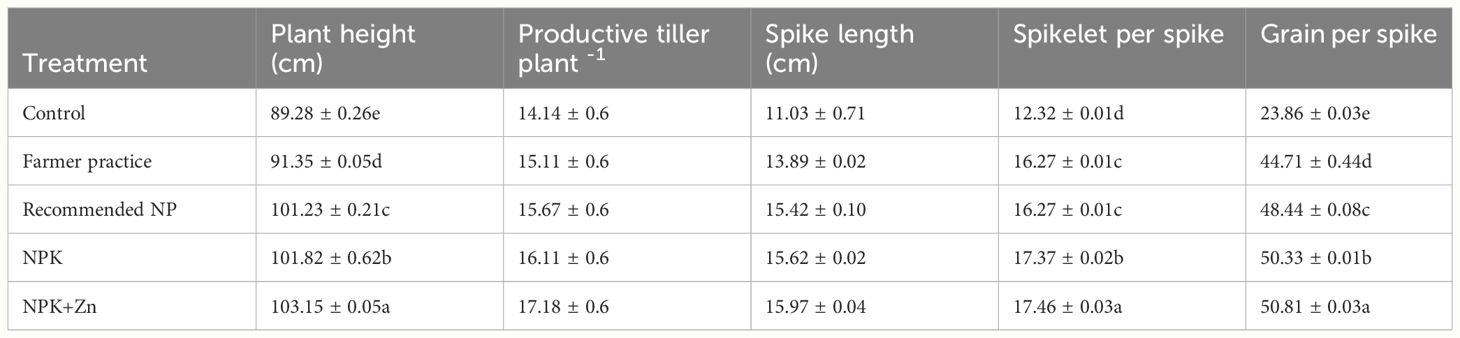
Table 1 Effect of treatment on yield parameters.
The full dose of P and K was applied at sowing, while N was applied in two splits, i.e., 25 days after sowing and 55 days after sowing. Seeds of wheat cv. Faisalabad 2008 were sown in all plots after seedbed preparation and the addition of P and K fertilizers. Herbicides were used to control weeds, while plots were irrigated as per the recommended production technology. At maturity, data related to growth and yield was taken.
2.2 Crop data
Morphological data: Data related to growth attributes was taken before harvesting the crop, while data on yield attributes was taken after harvesting the crop.
Physiological data: Data related to different physiological parameters such as transpiration and photosynthetic rate with the help of an infrared gas analyzer (IRGA; Analytical Development Company, Hoddesdon, UK) and chlorophyll contents was collected using Portable Chlorophyll meter (Konica Minolta, Osaka, Japan).
Plant and soil analyses: For plant analysis, composite samples of plant parts from each treatment were taken, dried at 65°C, ground, and used for the determination of N, P, and K contents using standard procedures given by Moodie (1959), Chang and Jackson (1958), Wolf (1982), and Chapman and Pratt (1961).
For soil analysis, N, P, K, and Zn were determined by following the procedures given in the ICARDA manual (Estefan et al., 2013).
2.3 Fertilizer uptake and use efficiency
N, P, and K concentrations in shoot and grains of wheat were determined (Wolf, 1982; Jackson, 1960; Chapman and Pratt, 1961). N, P, and K contents (uptake) as a product of concentration and dry weight plant-1 and different forms of nutrient use efficiency were also calculated using following formulae by Ahmed et al. (2020) and Lubao et al. (2023).
where FAUE = fertilizer agronomic use efficiency, GYT = grain yield in treated plot, GYc = grain yield in control plot (Equation 1), NUT = nutrient uptake in treated plot, NUc = nutrient uptake in control plot, NA = nutrient applied, FAR = fertilizer apparent recovery (Equation 2), FPUE = fertilizer physiological use efficiency (Equation 3), IFR = internal fertilizer remobilization (Equation 4), FACE = fertilizer nutrient acquisition efficiency (Equation 5) FUTE = fertilization efficiency (Equation 6), and FSF = fertilizer stress factor (Equation 7).
2.4 Statistical analysis
Analysis of variance (ANOVA) was used to determine the effect of each treatment. When the F ratio was significant, multiple mean comparisons were performed using Fisher’s least significance test (5% probability level) using Statistix 9© (Steel et al., 1997).
3 Results
3.1 Effect of treatments on yield parameters
3.1.1 Plant height (cm)
The data associated with the effect of different combinations of N, P, K, and Zn fertilizers on plant height is given in Table 1. K and Zn supplementation showed a positively significant influence on the height of plants. Plant height was increased with the application of K. In comparison to the control, balanced NPK+Zn improved the plant height (15.53%), followed by balanced NPK (14.05%), recommended NP (13.42%), and practiced NP (2.3%) respectively.
3.1.2 Tillers per plant
The soil application of potash and Zn had a positive effect on productive tillers produced in wheat crops. The plants with K and Zn supplements enhanced the tillers’ production than other treatments. Moreover, differences among treatments were also significant. The maximum number of tillers were observed with the application of NPK+Zn (21.50%), followed by balanced NPK36+ (13.93%), recommended NP (10.82%), and practiced NP (6.68%) as compared to the control (Table 1).
3.1.3 Spike length (cm)
A similar trend was observed with the spike length (Table 1). The spike length was improved with the application of NPK+Zn (41.47%), followed by balanced NPK (41.58%), recommended NP (39.76%), and practiced NP (25.72%) as compared to the control (Table 1).
3.1.4 Number of spikelets per spike
The number of spikelets was also improved with the application of K and Zn (Table 1). The maximum number of spikelets was observed with NPK+Zn (41.72%), followed by balanced NPK (41.58%), whereas practiced NP and balanced NP showed similar results.
3.1.5 Grains per spike
Grains per spike were also influenced by the application of K and Zn. The grains per spike were improved with the application of NPK+Zn (212.15%), followed by balanced NPK (210.14%), recommended NP (103.02%), and practiced NNP (87.38%), respectively.
3.1.6 1,000-grains weight
Application of NP with and without K and Zn significantly affected 1,000-grains weight (Table 2).
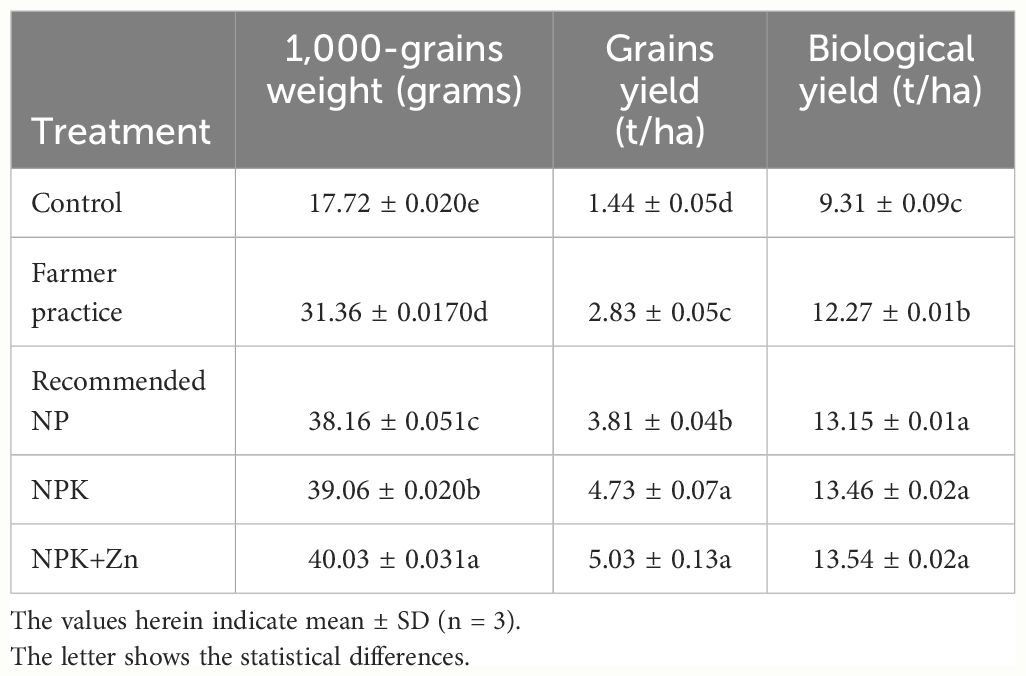
Table 2 Effect of treatment on yield parameters.
The results demonstrated that balanced fertilizers were more effective than NP-alone application for improving 1,000-grains weight. The highest value was observed with NPK+Zn (125.90%), followed by balanced NPK (120.43%), recommended NP (115.35%), and practiced NP (76.98%), respectively.
3.1.7 Grain yield
The results elaborated that the grain yield could be enhanced with the supplementation of K and Zn. Grain yield was improved with NPK+Zn (248.32%), followed by balanced NPK (227.04%), recommended NP (163.52%), and practiced NP (96.24%) as compared to the control. In comparison with practiced NP, NPK+Zn (77.50%) showed a higher yield, followed by balanced NPK (66.66%) and recommended NP (34.29%).
3.1.8 Biological yield
The results elaborated that the biological yield could be enhanced with the supplementation of K and Zn. Grain yield was improved with NPK+Zn (45.48%), followed by balanced NPK (44.53%), recommended NP (41.23%), and practiced NP (31.74%) as compared to the control.
3.2 Effect of treatments on plant physiological parameters
3.2.1 Chlorophyll contents
The data associated with the effect of different combinations of N, P, K, and Zn fertilizers on SPAD chlorophyll contents is given in Figure 1. SPAD chlorophyll contents increased with the age of the crop with differential response to the treatments applied. The application of K improved the SPAD contents, which were further enhanced by the application of Zn. The results showed 2% to 3% improvement in chlorophyll contents due to either K (T4) or K+Zn (T5) application compared to the recommended NP (T3).
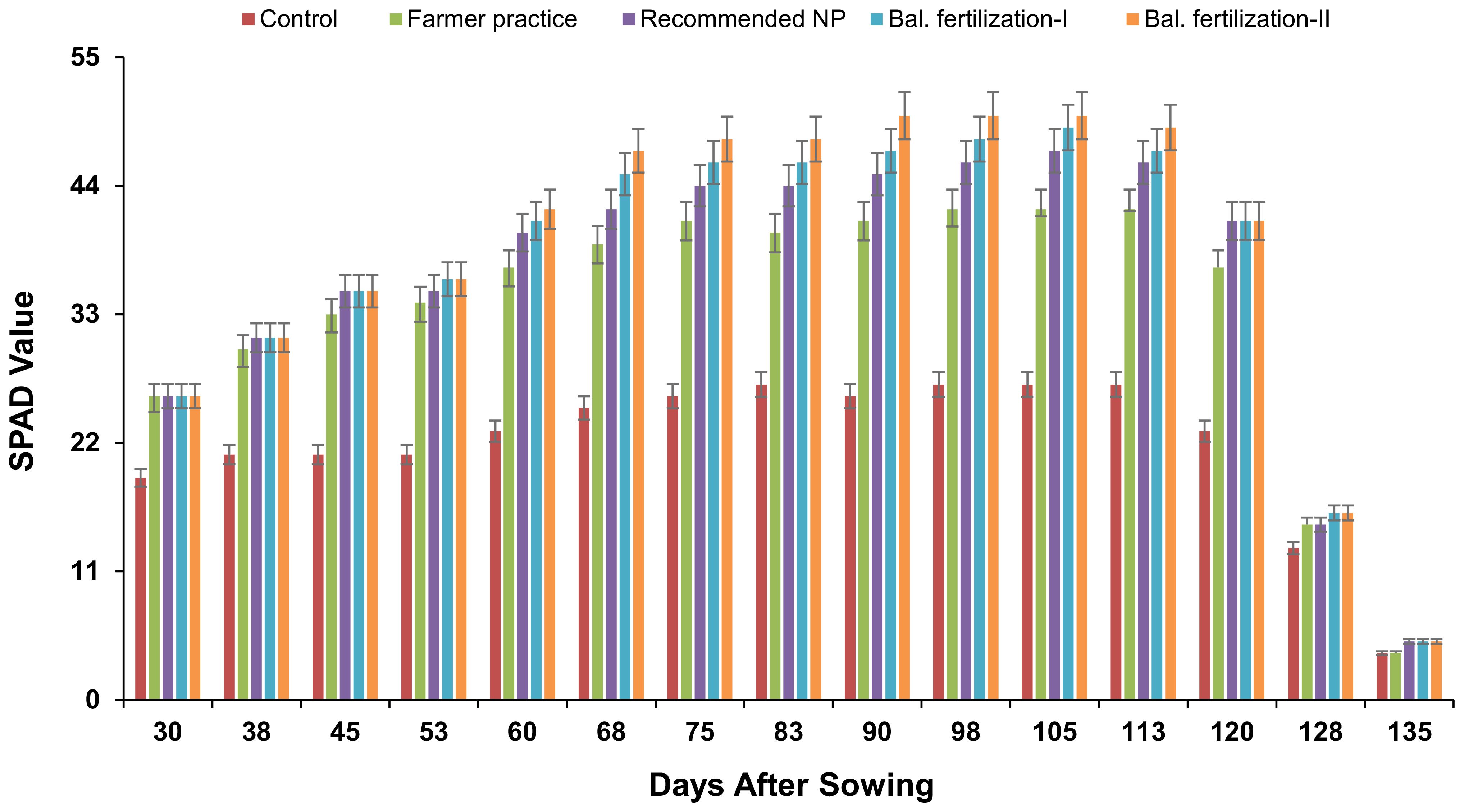
Figure 1 SPAD values as affected by different fertilizer treatments with crop age. The data is presented as mean ± SD.
3.2.2 Photosynthetic rate
The data associated with the effect of different combinations of N, P, K, and Zn fertilizers on photosynthetic rate is given in Figure 2. The minimum photosynthetic rate (8 mmol m-2 s-1) on the recommended application of NP (T3) was increased up to 11 mmol m-2 s-1 in the treatment having the application of NP with K+Zn (T5). The results showed 5% to 19% increase in photosynthetic rate due to either additional K (T4) or K+Zn (T5) application compared to the recommended NP (T3).
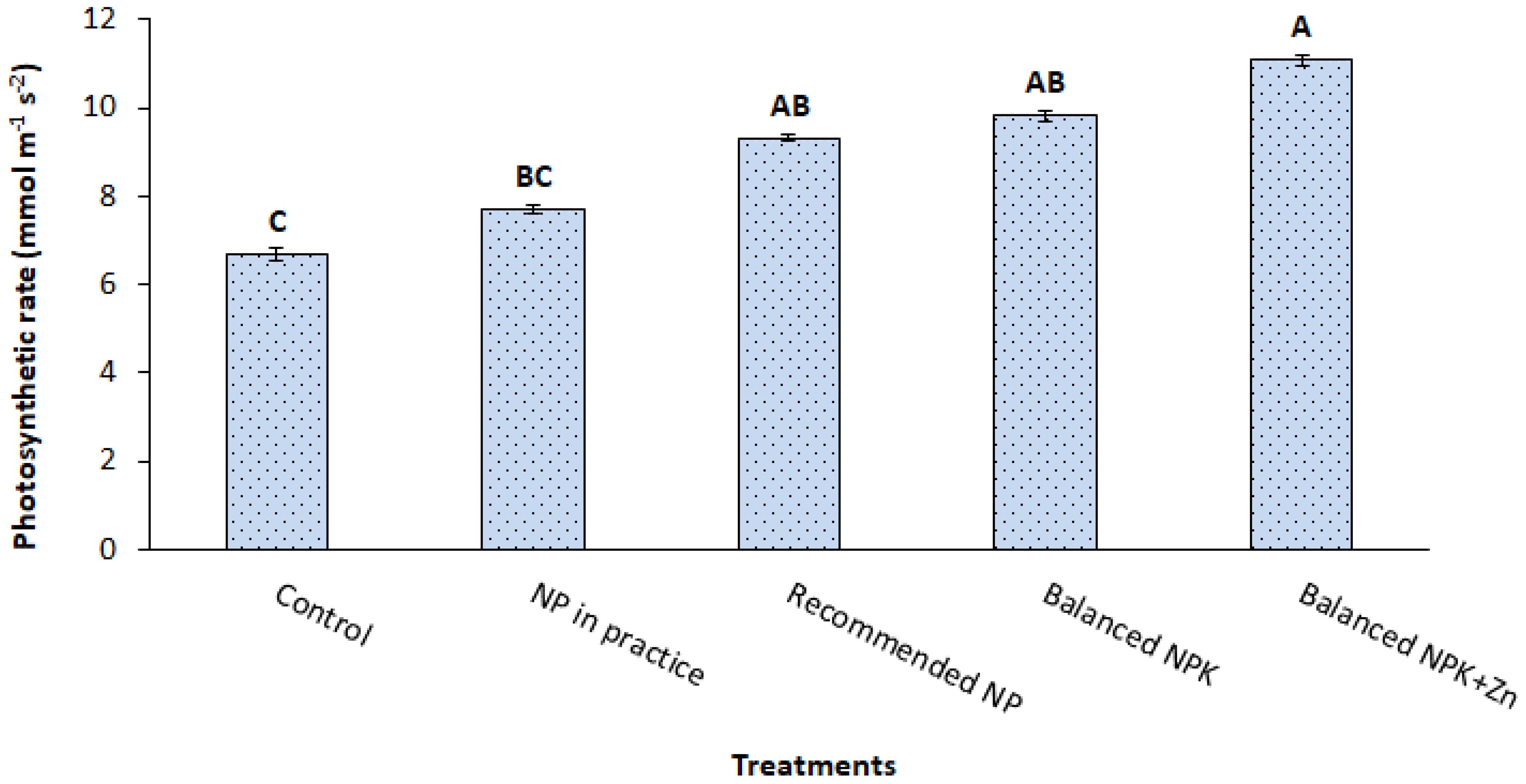
Figure 2 Effect of treatments on photosynthetic rate (mmol m-1 s-2). The data is presented as mean ± SD. The letter shows the statistical differences.
3.2.3 Transpiration rate and stomatal conductance
Transpiration rate (2.6 mmol m-2 s-1) on the sole application of recommended NP (T3) was increased up to 4.2 mmol m-2 s-1 in treatment T5 having recommended NP with K+Zn. Stomatal conductance likewise increased from 59 mmol m-2 s-1 (T3) to 74 mmol m-2 s-1 (T5) (Figure 3). The results showed 1%–47% and 8%–26% increase in transpiration rate and stomatal conductance, respectively.
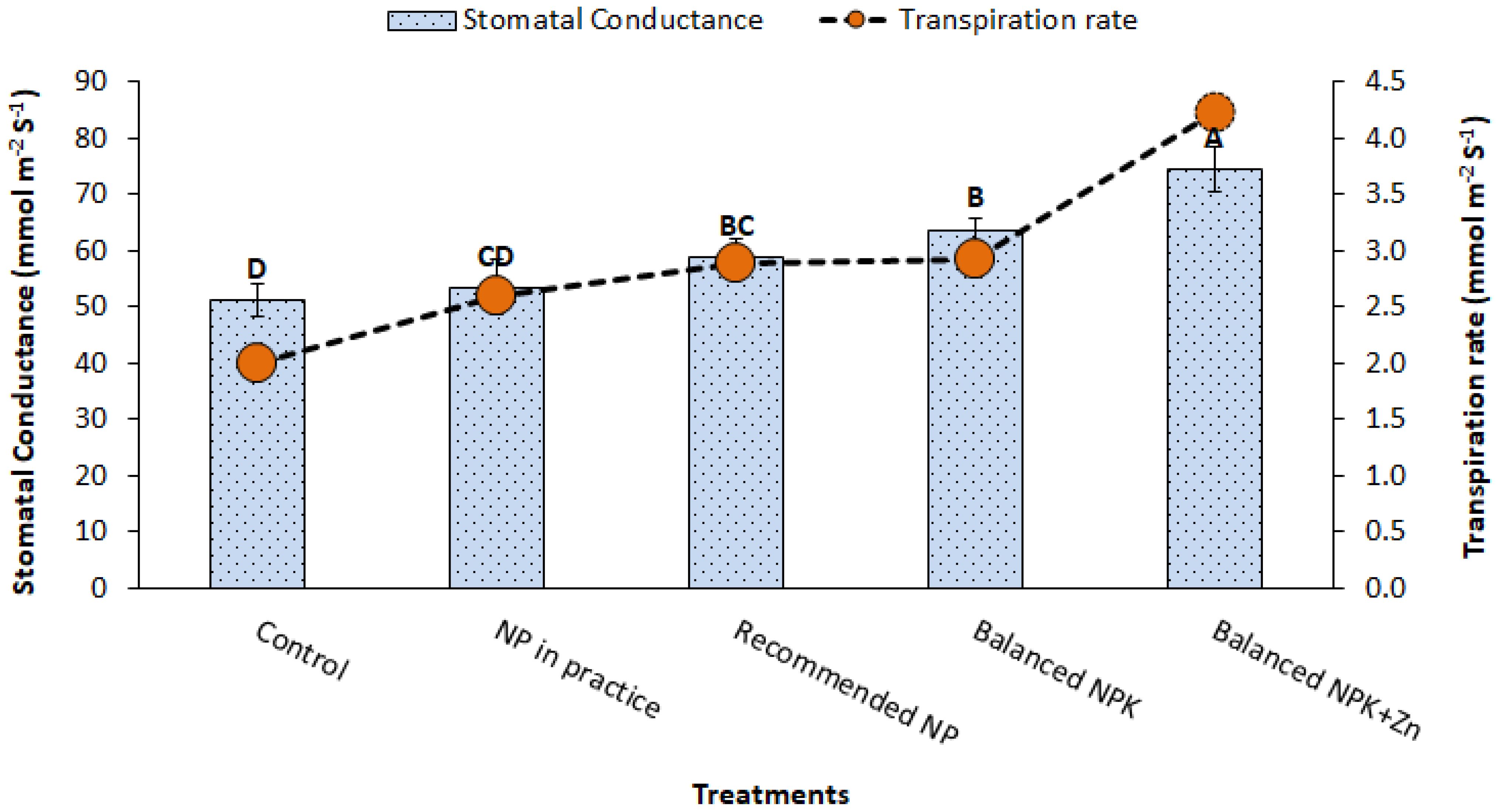
Figure 3 Effect of treatments on stomatal conductance and transpiration rate. The data is presented as mean ± SD. The letter shows the statistical differences.
3.2.4 Water use efficiency
The data given in Figure 4 explores the minimum WUE (2.6) on the application of recommended NP (T3) alone, which was increased up to 4.4 in the treatment having the application of NP with K+Zn (T5). The results showed 20% and 30% improvement in WUE due to the additional application of either K (T4) or K+Zn application (in T5) along with the recommended NP application, respectively.
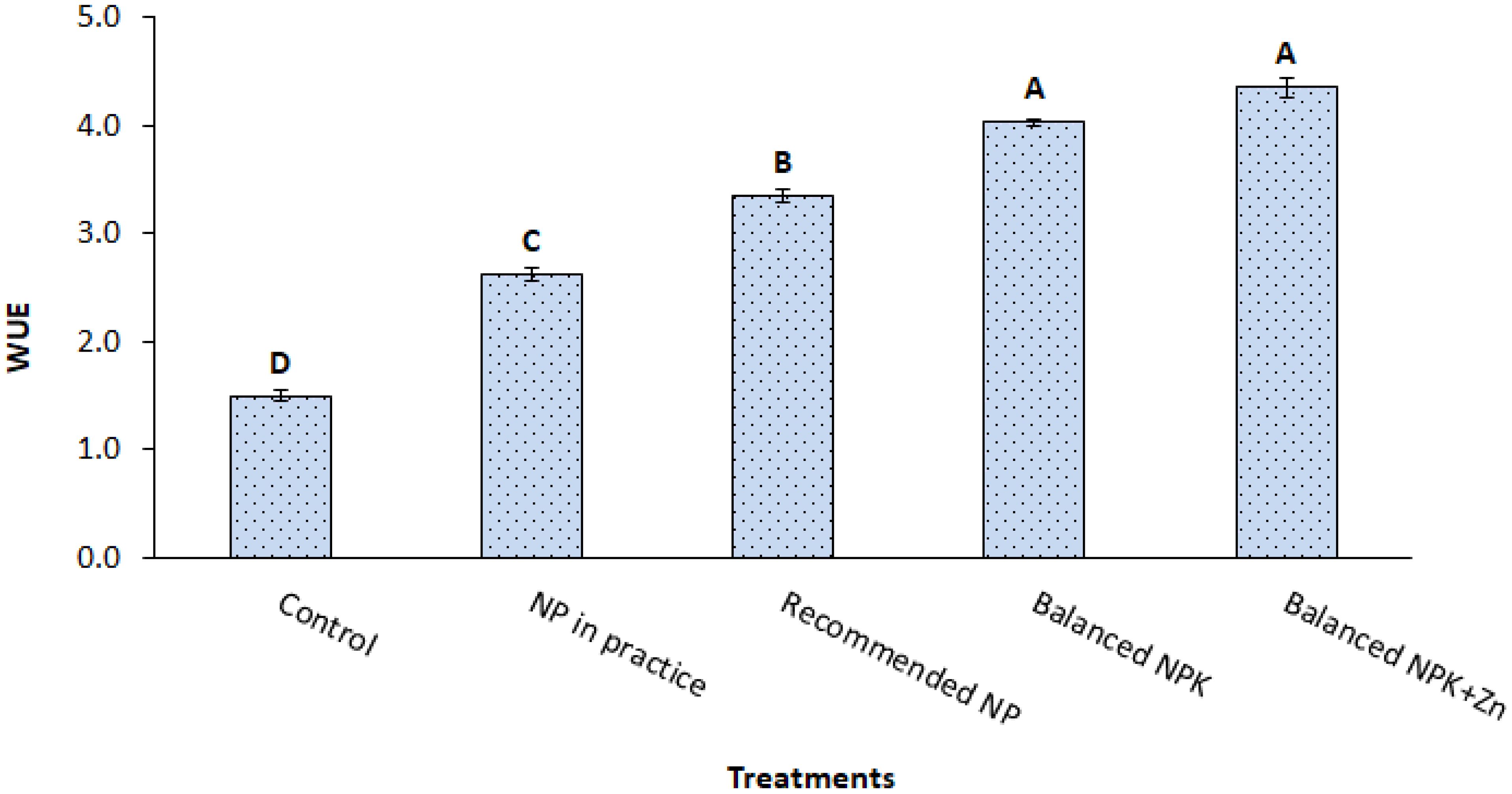
Figure 4 Impact of different fertilizer treatment on water use efficiency. The data is presented as mean ± SD. The letter shows the statistical differences.
3.3 Effect of treatments on grain nutrient content and uptake
Grain nutrient concentration was influenced with the supplementation of K and Zn fertilizers (Table 3). The results revealed that grain P content was improved with NPK+Zn (546.27%), followed by balanced NPK (508.96%), recommended NP (485.07%), and practiced NP (261.91%) as compared to the control. Grain K content was also increased with NPK+Zn (29.97%), followed by balanced NPK (24.39%) and practiced NP (9.06%) as compared to the control. Furthermore, grain Zn content was also enhanced with NPK+Zn (46.61%), followed by balanced NPK (34.28%), recommended NP (28.77%), and practiced NP (21.95%) as compared to the control.

Table 3 Effect of treatments on grain nutrient content.
Nutrient uptake was also improved with the combined application of nutrients (Table 4). Grain P uptake was improved with NPK+Zn (2,156.06%), followed by balanced NPK (1,894.70%), recommended NP (1,442.17%), and practiced NP (608.84%) as compared to the control. K uptake was also positively increased with the integration of Zn and K. Grain K uptake was improved with NPK+Zn (167.30%), followed by balanced NPK (162.70%), recommended NP (148.99%), and practiced NP (79.43%) as compared to the control. Grain Zn uptake was also improved with NPK+Zn (410.42%), followed by balanced NPK (338.82%), recommended NP (239.23%), and practiced NP (139.09%) as compared to the control.
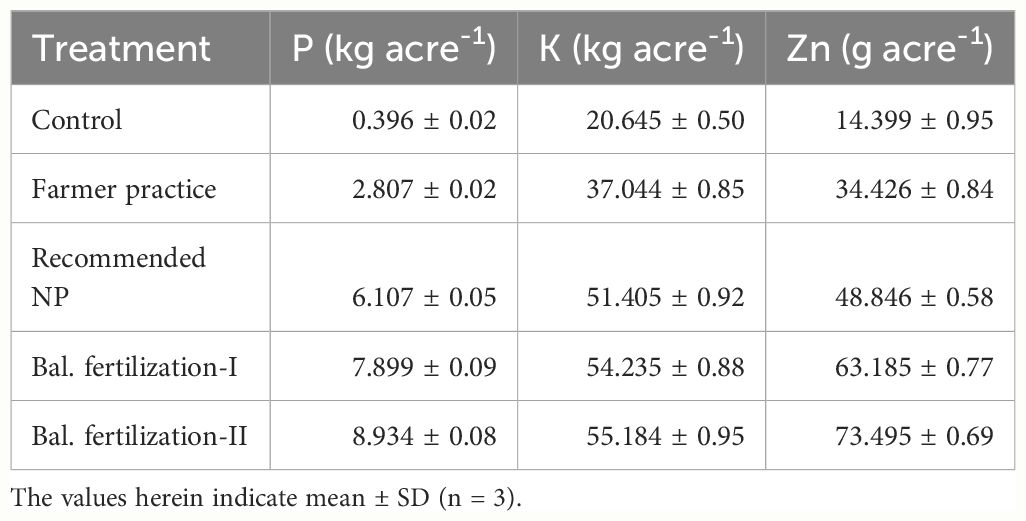
Table 4 Effect of treatments on grain nutrient uptake.
3.4 Effect of treatment on nutrient use efficiency
Application of Zn and K (T4 and T5) improved the fertilizer use efficiency as compared to the recommended NP nutrition without K and Zn (T3). It was found that the combined application of NP, K, and Zn (T5) improved the recovery efficiency of applied nutrients, i.e., NRE by 230%, PRE by 136%, KRE by 135%, and ZnRE by 136% as compared to NP-alone application. The results also explore that the combined use of NP, K, and Zn (T5) significantly improved the agronomic use efficiency of applied fertilizers such as KAUE by 71%, PAUE by 72%, NAUE by 70%, and ZnAUE by 72% as compared to NP-alone application at the recommended levels (T3; Figures 5, 6). It was also noted that both K and Zn played a significant role in lowering the physiological use efficiency (PUE), which means higher yield ratios from the minimum utilization of nutrient uptake or efficient use of nutrients absorbed by plants for grain production. The results showed that NPUE, PPUE, KPUE, and ZnPUE were reduced by 5%, 3%, 3%, and 5%, respectively, as compared to NP-alone application (Figure 7). Balancing the N/P/K ratio by increasing the input of K and Zn fertilizers is a practical way to increase the agronomic efficiency.
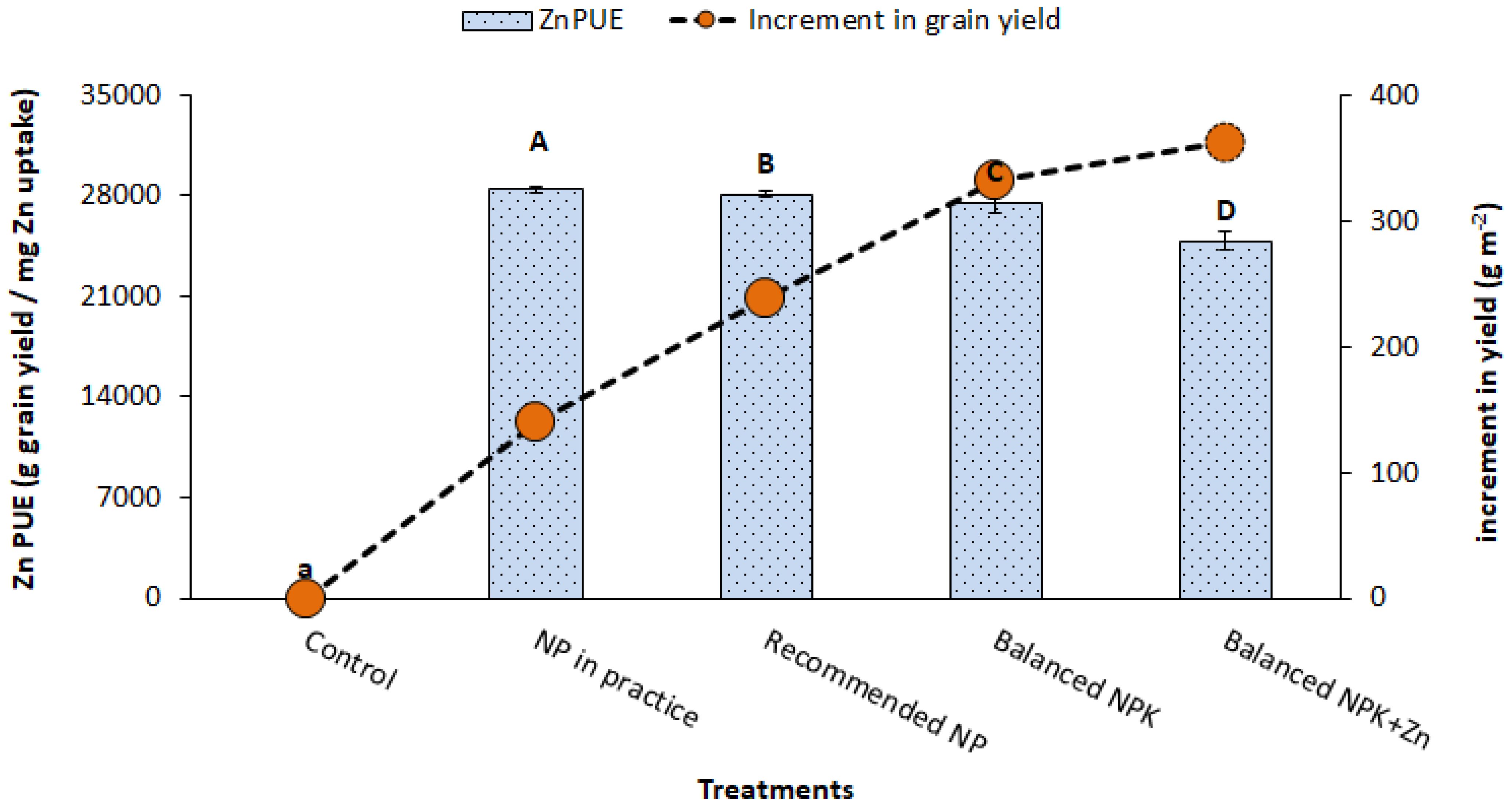
Figure 5 Effect of treatments on ZnPUE and increment in yield (g m-2). The data is presented as mean ± SD. The letter shows the statistical differences.
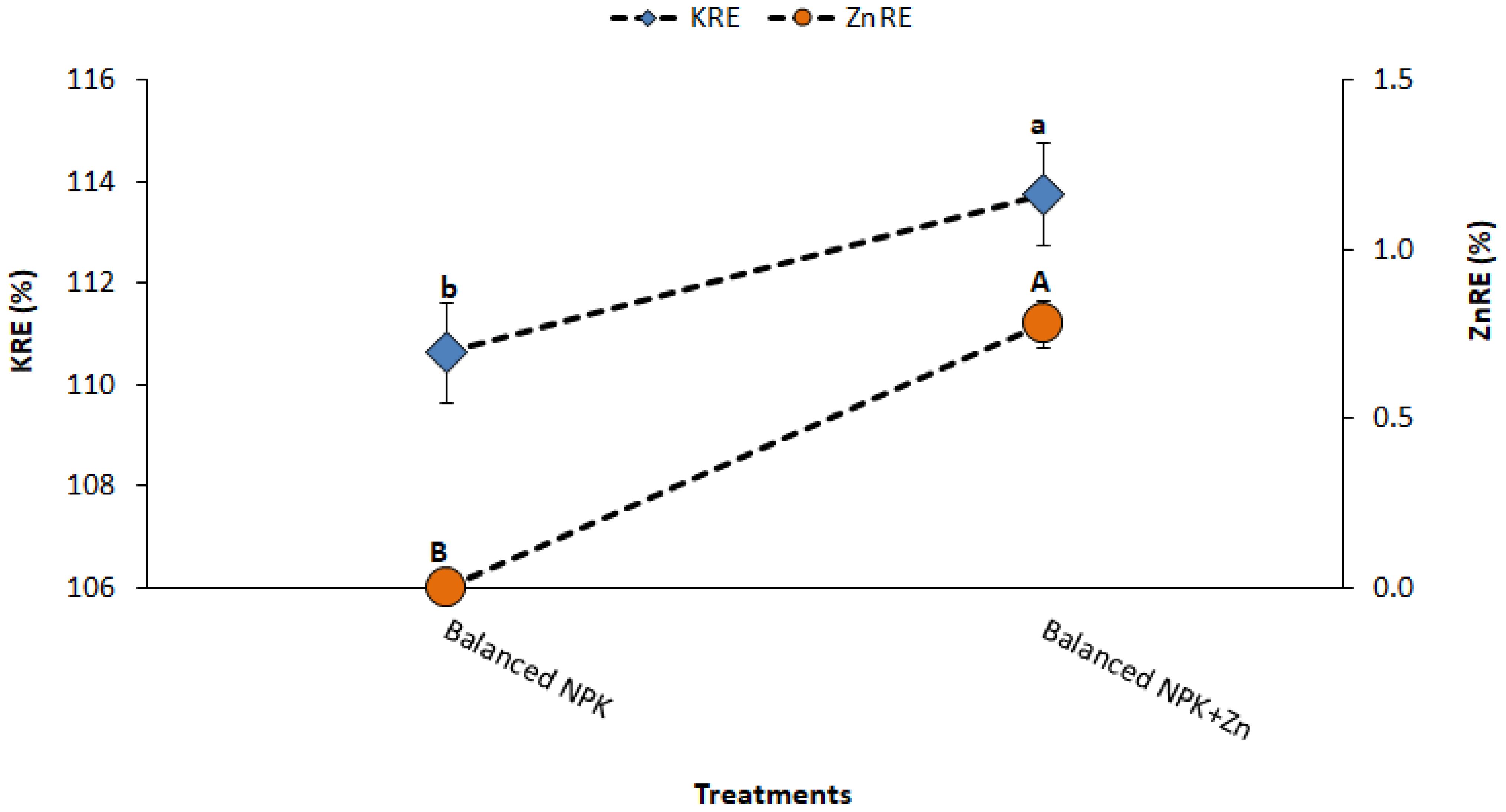
Figure 6 Effect of treatments on KRE and ZnRE. The data is presented as mean ± SD. The letter shows the statistical differences.
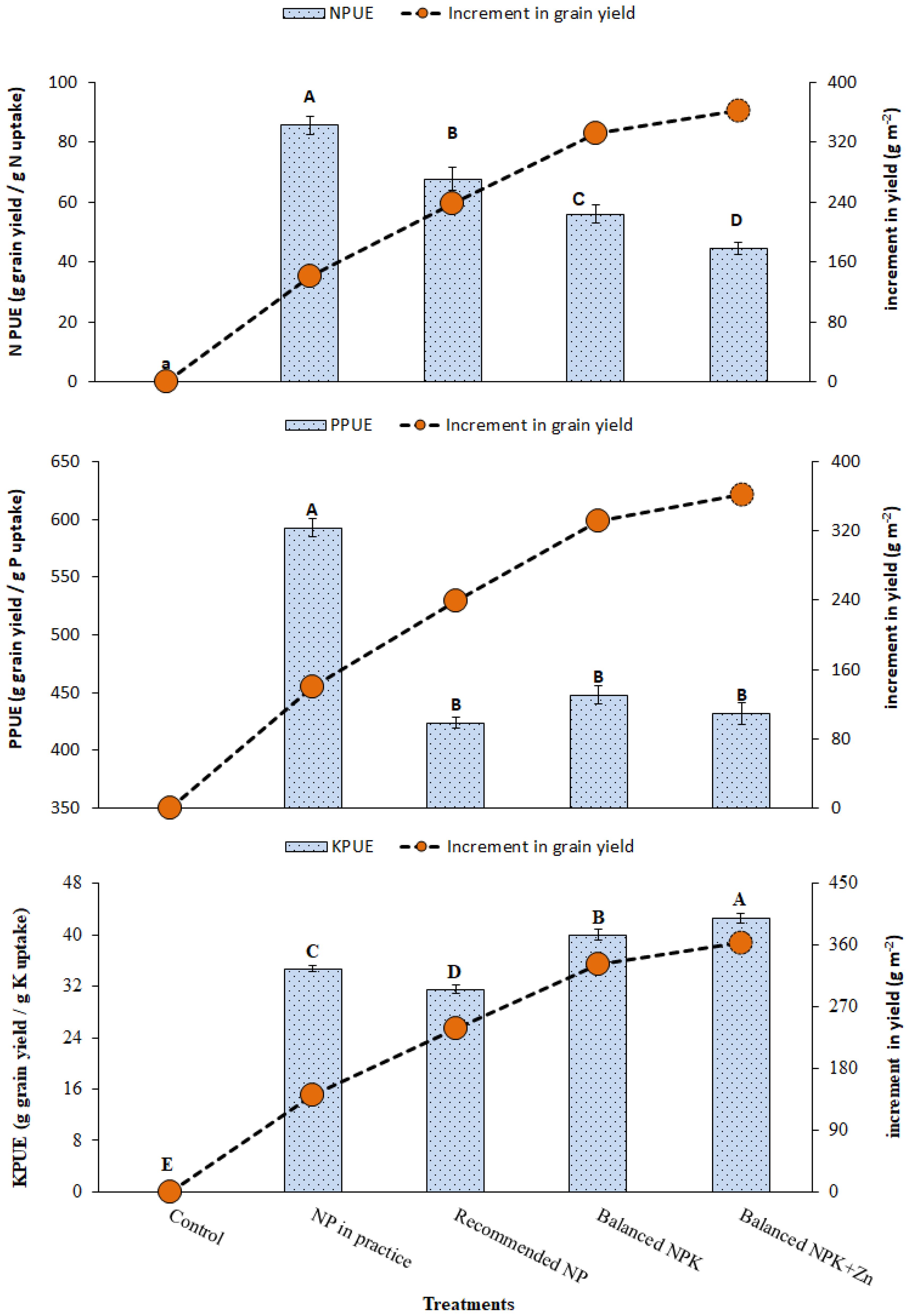
Figure 7 Effect of treatments on NPUE, PPUE, KPUE and increment in yield (g m-2). The data is presented as Mean ± SD. The letter shows the statistical differences.
4 Discussion
The results revealed that SPAD chlorophyll contents were improved with the use of integrated nutrient fertilizer strategy. It might be associated with the improved relative water content (RWC) and osmotic potential (Fanaei et al., 2009). Application of Zn also improved the chlorophyll content in maize (Raza et al., 2021), soybean (Weisany et al., 2012), and wheat (Sharma et al., 2005). In addition, photosynthetic rates, transpiration rates, and stomatal conductance were also improved possibly through the involvement in guard cell movement and osmoregulation that ultimately enhanced the stomatal conductance (Imtiaz et al., 2023). K application has also been reported to enhance the gas exchange in plants as well as opening and closing of stomata, especially in cauliflower (Sharma et al., 1994) and maize (Raza et al., 2021).
Improvement in crop physiological processes also leads to an increase in plant height, growth, and performance. The combined application of multi-nutrient fertilizers increased the agronomic as well as yield parameters of the crop. It might be linked with the role of Zn and K in plant metabolic activities and protein synthesis, which also promote plant growth and yield (Ali Khan et al., 2018).
Zn plays a vital role in the plant enzyme known as carbonic anhydrase, which is present in both the chloroplast and cytoplasm, and higher Zn levels increase its activity which, in turn, facilitates the transfer of CO2 from the cell’s liquid phase to the chloroplast during photosynthesis and enhances stomatal conductance as well as gaseous exchange in plants (Ahmed et al., 2022). Moreover, the improvements in WUE might be due to the adequate K supply that ensures the osmotic potential regulation, increases the water uptake capability, and ultimately improves the crop yield and water use efficiency (Salem et al., 2022). These findings were observed by Zia et al. (2007) and Johnn (2020).
Furthermore, grain Zn uptake was also improved, and it might be due to the exogenous Zn application that increased the Zn concentration in the soil solution, facilitating its uptake through the diffusion process and a higher share of post-anthesis root (Raza et al., 2021). Application of Zn and K also improves the plant root system, thus increasing the plant’s nutrient uptake efficiency (Jat et al., 2013). Plant K uptake in grain was increased when integrated with Zn. Similar results were reported when Zn and K were applied to maize (Raza et al., 2021). The application of K and Zn at clay exchange sites is replaced and enhances the Zn uptake in plants (Gupta et al., 2018).
Intensive agricultural practices combined with imbalanced fertilizer application have led to the depletion of K and Zn in soil across extensive areas of Pakistan. The scarcity of K in crop production typically arises due to an excessive focus on N and phosphorus fertilization while neglecting K fertilization. Our findings indicate that applying K fertilizer would significantly alleviate the current soil K depletion and, in turn, improve wheat yield. Both K and Zn yielded positive outcomes in terms of photosynthesis rates, transpiration rates, and stomatal conductance along with water use efficiency, advocating the involvement of K in osmoregulation as delineated by Saudy et al. (2023). However, farmers cultivating wheat must consider the application of Zn to ensure sustainable crop production, as the application of Zn improves not only the yield through improved tillering and physiology but also the grain Zn contents.
We conclude that the combination of essential nutrients, especially N, P, K, and Zn, might improve the wheat crop performance and yield grown in nutrient-deficient soils of Pakistan. It is an excellent approach to reaching high food demand. However, long-term studies in different environments and soil conditions need to be studied. The impact of fertilization on soil properties, adopting reduced fertilization technologies, choosing different application methods, enhancing the quality of wheat grain, and economic analysis is an open question.
5 Conclusion
We conclude that the application of K and Zn with NP showed maximum improvement in yield attributes, nutrient uptake, and nutrient use efficiency compared to NP-alone fertilization. When NP was applied at the recommended rate, it significantly improved the yield parameters. Still the absence of K adversely impacted the crop yield, nutrient uptake, and fertilizer use efficiency, probably due to the root cause of the poor yield of wheat and nutrient losses on calcareous soil in Multan. As per our hypothesis, K and Zn fertilization can mitigate this yield gap. Our findings recommend that K and Zn should be made an essential part of wheat nutrition management along with NP fertilizers for a higher yield and better quality of produce. Moreover, we do also suggested to conduct long-term trials (10–15 years) to identify the long-term application effects on soil properties.
Data availability statement
The original contributions presented in the study are included in the article/supplementary material. Further inquiries can be directed to the corresponding authors.
Author contributions
AN: Formal analysis, Investigation, Writing – original draft. WA: Conceptualization, Project administration, Supervision, Writing – review & editing. TH: Data curation, Resources, Validation, Writing – review & editing. RI: Data curation, Software, Writing – review & editing. SSHS: Conceptualization, Methodology, Project administration, Writing – review & editing. MK: Data curation, Methodology, Visualization, Writing – review & editing. MB: Formal analysis, Software, Writing – review & editing. MR: Conceptualization, Funding acquisition, Writing – review & editing. SS: Data curation, Validation, Writing – review & editing. MA: Conceptualization, Project administration, Supervision, Writing – review & editing. IA: Conceptualization, Investigation, Methodology, Writing – review & editing. AR: Methodology, Validation, Writing – review & editing. RL: Funding acquisition, Writing – review & editing.
Funding
The author(s) declare financial support was received for the research, authorship, and/or publication of this article. The authors declare that this study received partial funding from Engro Fertilizers Limited and Arab Potash Company. The funder had the involvement in conceptualization of the study.
Conflict of interest
The authors SSHS and IA are employed by Engro Fertilizers Limited. The author RL is employed by Arab Potash Company, and MA is affiliated with United Agro Chemicals.
The remaining authors declare that the research was conducted in the absence of any commercial or financial relationships that could be construed as a potential conflict of interest.
This study was partially funded by Engro Fertilizers Limited and Arab Potash.
Publisher’s note
All claims expressed in this article are solely those of the authors and do not necessarily represent those of their affiliated organizations, or those of the publisher, the editors and the reviewers. Any product that may be evaluated in this article, or claim that may be made by its manufacturer, is not guaranteed or endorsed by the publisher.
References
Ahmed, N., Hussain, H. Z., Ali, M., Rahi, A. A. (2022). Effect of Zn on chlorophyll contents, gas exchange attributes and Zn concentration in rice. Pakistan J. Bot. 54, 17–24.
Ahmed, W., Imran, M., Yaseen, M., ul Haq, T., Jamshaid, M. U., Rukh, S., et al. (2020). Role of salicylic acid in regulating ethylene and physiological characteristics for alleviating salinity stress on germination, growth and yield of sweet pepper. PeerJ 8, e8475. doi: 10.7717/peerj.8475
Ali Khan, K., Shoaib, A., Arshad Awan, Z., Basit, A., Hussain, M. (2018). Macrophomina phaseolina alters the biochemical pathway in Vigna radiata chastened by Zn 2+ and FYM to improve plant growth. Taylor Fr 13, 131–140.
Butail, N. P., Kumar, P., Shukla, A. K., Behera, S. K., Sharma, M., Kumar, P., et al. (2022). Zn dynamics and yield sustainability in relation to Zn application under maize-wheat cropping on Typic Hapludalfs. Field Crops Res. 283, 108525. doi: 10.1016/j.fcr.2022.108525
Chang, S. C., Jackson, M. L. (1958). Soil Phosphorus Fractions in some representative soils 1. J. Soil Sci. 91, 109–119. doi: 10.1111/j.1365-2389.1958.tb01903.x
Chapman, P. F., Pratt, H. D. (1961). Methods of analysis for soils, plants and water. (Berkeley, CA, USA: Univ. California).
da Silva, A. A., Linhares, P. C. A., de Andrade, L. I. F., Chaves, J. T. L., Barbosa, J. P. R. A. D., Marchiori, P. E. R. (2021). K supplementation promotes osmotic adjustment and increases water use efficiency in sugarcane under water deficit. Sugar Tech 23, 1075–1084. doi: 10.1007/s12355-021-00997-1
Ehsanullah, D., Tariq, A., Randhawa, M. A., Anjum, S. A., Nadeem, M., Naeem, M. (2015). Exploring the role of zinc in maize (Zea mays L.) through soil and foliar application. Univers. J. Agric. Res. 3, 69–75. doi: 10.13189/ujar.2015.030301
Estefan, G., Sommer, R., Ryan, J. (2013). Methods of soil, plant, and water analysis. A manual West Asia North Afr. region 3, 65–119.
Fanaei, H. R., Galavi, M., Ghanbari, B. A., Kafi, M. (2009). Amelioration of water stress by K fertilizer in two oilseed species. Int. J. Plant Product. 3, 41–51.
Food and Agriculture Organization (FAO) (2019). FAOSTAT Statistical Database of the United Nation Food and Agriculture Organization (FAO) statistical division. Rome.
Gupta, S., Swaroop, N., Thomas, T., Dawson, J., Smriti Rao, P., Shubham Gupta, C. (2018). Effects of different levels of Phosphorus and Zinc on physico-chemical properties of soil, growth and yield of Maize (Zea mays L.) Var. Shivani, ~ 2105 ~. Int. J. Chem. Stud., 6.
Hafsi, C., Debez, A., Abdelly, C. (2014). Potassium deficiency in plants: effects and signaling cascades. Acta Physiol. Plant 36, 1055–1070. doi: 10.1007/s11738-014-1491-2
Huang, W., Lin, M., Liao, J., Li, A., Tsewang, W., Chen, X., et al. (2022). Effects of K deficiency on the growth of tea (Camelia sinensis) and strategies for optimizing K levels in soil: A critical review. Horticulturae 8, 660. doi: 10.3390/horticulturae8070660
Imtiaz, H., Mir, A. R., Corpas, F. J., Hayat, S. (2023). Impact of K starvation on the uptake, transportation, photosynthesis, and abiotic stress tolerance. Plant Growth Regul. 99, 429–448. doi: 10.1007/s10725-022-00925-7
Jackson, M. L. (1960). Soil chemical analysis. J. Agric. Food Chem.. (London: Constable and Ltd.). doi: 10.1021/jf60096a605
Jat, G., Majumdar, S. P., Jat, N. K., Mazumdar, S. P. (2013). Potassium and zinc fertilization of wheat (Triticum aestivum) in Western arid zone of India. Indian J. Agron. 58, 67–71.
Johnn (2020). Soil: Fertility and nutrient management. Landsc. L. Capacit., 251-265. doi: 10.1201/9780429445552-34
Lubao, A. K. V., Cruz, J. G. M. D., Flores, J. A. R., Mabborang, R. C., Tolentino, R. C. (2023). Unveiling the future of nutrient use efficiency: A journey through time series forecasting. Eur. Chem. Bull. 12, 2338–2370.
Moodie, S. (1959). Life in the Clearings versus the Bush Vol. 1 (Legare Street Press, UK: Library of Alexandria).
Mostofa, M. G., Rahman, M. M., Ghosh, T. K., Kabir, A. H., Abdelrahman, M., Khan, M. A. R., et al. (2022). K in plant physiological adaptation to abiotic stresses. Plant Physiol. Biochem.: PPB 186, 279–289. doi: 10.1016/j.plaphy.2022.07.011
Penuelas, J., Coello, F., Sardans, J. (2023). A better use of fertilizers is needed for global food security and environmental sustainability. Agric. Food Secur. 12, 5. doi: 10.1186/s40066-023-00409-5
Perelman, A., Imas, P., Bansal, S. K. (2022). Potassium role in plants’ response to abiotic stresses. Role of potassium in abiotic stress.
Raza, H. M.A., Bashir, M. A., Rehim, A., Raza, Q. U.A., Berlyn, G. P., Rahman, S. U., et al. (2021). Application of K and Zn influences the mineral accumulation more in hybrid than inbred maize cultivars. Plants 10, 1–10. doi: 10.3390/plants10102206
Salem, E. M. M., Kenawey, M. K. M., Saudy, H. S., Mubarak, M. (2022). Influence of silicon forms on nutrient accumulation and grain yield of wheat under water deficit conditions. Gesunde Pflanz. doi: 10.1007/s10343-022-00629-y
Saudy, H. S., Salem, E. M., Abd El-Momen, W. R. (2023). Effect of K silicate and irrigation on grain nutrient uptake and water use efficiency of wheat under calcareous soils. Gesunde Pflanzen 75, 647–654. doi: 10.1007/s10343-022-00729-9
Sharma, N., Gupta, N. K., Gupta, S., Hasegawa, H. (2005). Effect of NaCl salinity on photosynthetic rate, transpiration rate, and oxidative stress tolerance in contrasting wheat genotypes.. Photosynthetica International Journal for Photosynthesis Research 43, 609–613. doi: 10.1007/s11099-005-0095-x
Sharma, P. N., Kumar, N., Bisht, S. S. (1994). Effect of zinc deficiency on chlorophyll content, photosynthesis and water relations of cauliflower plants. Photosynthetica 30, 353–359.
Steel, R., Torrie, J., Dickey, D. (1997). Principles and procedures of statistics: A biometrical approach, third ed. (New York, NY, USA: McGraw Hill Book Co.).
Wakeel, A., Ishfaq, M., Wakeel, A., Ishfaq, M. (2022). Strategies to improve potash use in Pakistan. Potash Use Dynam. Agric., 99–108. doi: 10.1007/978-981-16-6883-8
Wakeel, A., Magen, H. (2017). Potash use for sustainable crop production in Pakistan: A review. Int. J. Agric. Biol. 19 (3).
Weisany, W., Sohrabi, Y., Heidari, G., Siosemardeh, A., Ghassemi-Golezani, K. (2012). Changes in antioxidant enzymes activity and plant performance by salinity stress and zinc application in soybean (Glycine max L.). Plant Omics 5, 60–67.
Wolf, B. (1982). A comprehensive system of leaf analyses and its use for diagnosing crop nutrient status. Commun. Soil Sci. Plant Anal. 1312, 1035–1059. doi: 10.1080/00103628209367332
Yaseen, M., Ahmed, W., Shahbaz, M. (2013). Role of foliar feeding of micronutrients in yield maximization of cotton in Punjab. Turkish J. Agric. Forest. 37, 420–426. doi: 10.3906/tar-1206-56
Zewdie, I., Reta, Y. (2021). Review on the role of soil macronutrient (NPK) on the improvement and yield and quality of agronomic crops. Direct Res. J. Agric. Food Sci. 9, 7–11.
Keywords: fertilizer use efficiency, nutrition, photosynthesis, K, Zn
Citation: Nawaz A, Bashir MA, Ahmed W, Ahmad I, Rehim A, Ikram RM, Shah SSH, Khurshid MY, Rusan MJ, Lubani R, Saleem S, Haq TU and Ali MA (2024) Potassium and zinc improves physiological performance, nutrient use efficiency, and productivity of wheat. Front. Plant Sci. 15:1363248. doi: 10.3389/fpls.2024.1363248
Received: 30 December 2023; Accepted: 30 May 2024;
Published: 11 July 2024.
Edited by:
Asif Naeem, Nuclear Institute for Agriculture and Biology, PakistanReviewed by:
Adil Mihoub, Scientific and Technical Research Center on Arid Regions (CRSTRA), AlgeriaDinesh Jinger, Indian Institute of Soil and Water Conservation (ICAR), India
Copyright © 2024 Nawaz, Bashir, Ahmed, Ahmad, Rehim, Ikram, Shah, Khurshid, Rusan, Lubani, Saleem, Haq and Ali. This is an open-access article distributed under the terms of the Creative Commons Attribution License (CC BY). The use, distribution or reproduction in other forums is permitted, provided the original author(s) and the copyright owner(s) are credited and that the original publication in this journal is cited, in accordance with accepted academic practice. No use, distribution or reproduction is permitted which does not comply with these terms.
*Correspondence: Wazir Ahmed, d2F6aXIuYWhtZWRAbW5zdWFtLmVkdS5waw==; Muhammad Amjad Bashir, YW1qYWQuYmFzaGlyOTQxQGdtYWlsLmNvbQ==