 Junyan Lv1,2†
 Shouzan Liu1,3†Chunli Hu4Lan Ding5Hongzhen Wang1,3Xin Li2Feng Yang1,3Qiong Shen1,3Hongbin Zhang1,3Guobiao Ma1,3
 Shaobo Zhang2*
 Yan Bai1,3*
- 1College of Food and Health, Zhejiang Agriculture and Forestry University, Hangzhou, China
- 2Tea Research Institute, Chinese Academy of Agricultural Sciences, Hangzhou, China
- 3State Key Laboratory of Subtropical Silviculture, Zhejiang Agriculture and Forestry University, Hangzhou, China
- 4Food and Drug Inspection and Testing Center, Hangzhou, China
- 5Agriculture and Forestry Technology Extension Center, Hangzhou, China
The application of fertilizers is a key agronomic practice in the artificial cultivation of medicinal plants, aiming to boost yields and enhance the levels of their bioactive constituents. However, systematic investigations on the influence of various fertilizers on the concentration of active compounds in saponin-containing medicinal plants remain insufficient. In this study, 966 experimental outcomes from 29 papers were analyzed via meta-analysis to examine the effects of organic fertilizers, inorganic fertilizers, and their combined application on the levels of different saponin monomers in medicinal plants. The findings from the meta-analysis revealed that inorganic fertilizers contribute positively to the accumulation of saponins such as Rg1 in ginseng, Rb1, Rc, Rd, Re, and Rg1, in addition to the saponins from Paris polyphylla, Dioscorea, Panax quinquefolius, and Platycodon grandiflorus. Moreover, the application of organic fertilizers was found to markedly elevate the concentrations of Notoginsenoside R1, Ginsenoside Rb1, Ginsenoside Rb2, Re, and Rg1, along with Lancemasid saponins and Quinoa saponins. The combined use of both organic and inorganic fertilizers was shown to effectively increase the levels of Notoginsenoside R1 and Panax ginsenosides, encompassing Rb1, Rb2, Rc, Rd, Re, and Rg1. Overall, the results suggest that both individual and combined applications of organic and inorganic fertilizers have a positive impact on the enhancement of saponin monomers in medicinal plants. However, inorganic fertilizers promote the increase of saponin content, their prolonged use may lead to soil compaction and acidification, which could compromise the yield and quality of medicinal plants. On the other hand, organic fertilizers improve the soil environment and stimulate saponin accumulation, they do not supply all the nutrients required for the sustained growth of these plants. Therefore, a balanced fertilization strategy combining both organic and inorganic fertilizers is recommended as the optimal approach for cultivating saponin-rich medicinal plants.
1 Introduction
Traditional Chinese Medicine (TCM) holds a significant position in the Chinese healthcare system, serving a critical function in the treatment of a wide range of ailments, including both internal and external disorders, as well as insect and snake envenomations (Bao et al., 2022; Ai et al., 2023; Liu et al., 2023a). With the increasing recognition of the therapeutic benefits of TCM, the demand for Chinese medicinal materials has been steadily rising (Atherton and Li, 2023; Yin et al., 2024). However, the slow growth rate of wild medicinal plants, coupled with excessive harvesting, has created substantial challenges in meeting market demands. As a result, the expansion of artificial cultivation has become a key strategy to alleviate this issue (Tian et al., 2023; Zhang et al., 2023). Although artificial cultivation offers a potential solution to the scarcity of wild resources (Chen et al., 2024a), practices such as over-fertilization and improper fertilizer selection may adversely affect the quality and potency of bioactive compounds in medicinal plants while also degrading soil health, thus hindering the sustainable development of cultivated TCM plants (Cun et al., 2023; Li et al., 2023e). Therefore, it is essential to conduct a thorough investigation into the impact of various fertilizers on the quality of TCM in order to promote the scientific cultivation of these plants.
The application of fertilizers is a commonly employed agronomic practice aimed at enhancing both the yield and quality of Chinese medicinal plants (Chung et al., 2010; Gavrić et al., 2021; Loera-Muro et al., 2021; Wei et al., 2024). Fertilizer application can rapidly increase nutrient availability in the soil, fulfilling the short-term demands for nitrogen, phosphorus, and potassium during the growth and development of medicinal plants, thus promoting improved yields and overall plant quality (Zhang et al., 2020; Liu et al., 2022; Liu et al., 2024a). Inorganic fertilizers, characterized by their pure nutrient composition, high nutrient concentration, and rapid efficacy, supply essential nutrients for plant growth, development, and the synthesis of secondary metabolites within a relatively brief timeframe (Zhao et al., 2021; Sha et al., 2022; Liu et al., 2024a; Wan et al., 2024). Previous studies have demonstrated that the application of nitrogen fertilizers markedly boosts the accumulation of bioactive compounds in root and rhizome-based medicinal plants (Clemensen et al., 2017). For instance, Wei et al. (2020) reported that the use of inorganic nitrogen fertilizers substantially enhances the growth of Sanqi roots while increasing the concentration of secondary metabolites. Similarly, Economakis et al. (2002) found that the addition of phosphorus fertilizer effectively promotes the accumulation of volatile compounds in oregano, while Lee et al. (2005) observed that phosphorus fertilizer application markedly increases the concentration of sesquiterpenes in chrysanthemum. Nevertheless, the unregulated use of inorganic fertilizers may adversely affect plant growth and development by altering soil structure, pH, and other factors, thereby compromising both yield and quality (Appelhans et al., 2020; Geetha et al., 2023). Excessive nitrogen application, for example, can lead to soil acidification and plant lodging, which in turn may reduce the content of bioactive components (Sainju et al., 2019; Gu et al., 2021; Wang et al., 2022; Zhang et al., 2022, Zhang et al., 2024). Although potassium fertilizers enhance a plant’s ability to absorb water and nutrients, excessive use can result in a decrease in medicinal plant quality (Yang et al., 2021). In summary, inorganic fertilizers can provide the necessary nutrients for rapid medicinal plant growth, leading to increased yield and improved quality; however, their prolonged and improper use may have detrimental effects on the sustainable development of cultivated medicinal plants.
Compared to inorganic fertilizers, organic fertilizers are composed of a broader array of nutrients that address the diverse nutritional needs of plants (Dai et al., 2021; Li et al., 2023c; Liu et al., 2024a). These fertilizers can enhance soil structure and nutrient content while stimulating microbial activity, thereby promoting the growth, development, and synthesis of secondary metabolites in medicinal plants (Shi et al., 2022; Budiastuti et al., 2023; Hou et al., 2023; Yu et al., 2024). For instance, Liu et al. (2024b) demonstrated that the combined application of biochar and organic fertilizer substantially increased both biomass and the levels of key secondary metabolites (matrine and oxymatrine) in Sophora by regulating soil microorganisms. Another study by Dong et al. (2019) revealed that incorporating pig and cow manure in a 1:2 ratio resulted in a 17.0–19.1% increase in ginsenoside content. However, previous research has shown that organic fertilizers typically exhibit lower nutrient concentrations and slower nutrient release rates, requiring an extended period for crop absorption and utilization, which poses challenges in meeting the high-yield demands of crops within a short time frame (Chatzistathis et al., 2021; El Moussaoui et al., 2023). In contrast, the combined application of organic and inorganic fertilizers not only meets the immediate nutrient needs for medicinal plant growth but also sustains their long-term nutritional requirements (Yang et al., 2020; He et al., 2024). Organic fertilizers can also alleviate issues such as soil acidification and compaction caused by inorganic fertilizers, thereby improving soil health and supporting medicinal plant growth (Niu et al., 2022; Wang et al., 2024b; Xing et al., 2024). Wei et al. (2024) found that substituting chemical fertilizers with organic fertilizers during Pinellia cultivation led to increased yields and enhanced growth parameters. In conclusion, the application of fertilizers is a key factor in boosting the yield and quality of medicinal plants. Different fertilizer types exert varying effects on these outcomes, highlighting the necessity for comprehensive research into the impacts of sole organic and inorganic fertilizer applications, as well as their combined use, on the quality of medicinal plants to promote the scientific cultivation of Chinese medicinal plants.
Saponin-containing medicinal plants hold a crucial position in TCM, demonstrating a broad spectrum of pharmacological effects, such as anti-inflammatory, immune-modulating, anticancer, antiviral, antioxidant, anti-fatigue, and cardiovascular enhancement properties. Prominent examples of saponin-containing medicinal plants include Panax notoginseng, Panax ginseng, Bupleurum chinense, and Rehmannia glutinosa (Yang et al., 2019; Hawthorne et al., 2022; Zhou et al., 2024). Due to the depletion of wild resources, artificial cultivation has emerged as the predominant approach to satisfy market demand demands (Atherton and Li, 2023; Yin et al., 2024). Fertilizer application, as an important agronomic practice, has been shown to markedly improve the yield and quality of saponin-rich medicinal plants (Moon et al., 2018; Saha et al., 2019; Bao et al., 2022). For examples, the research showed that the application of 45.48-53.83 kg hm-² nitrogen, 179.98-236.83 kg hm-² phosphorus and 29.80-39.95 kg hm-² potassium in the field soil could significantly increase the saponin content in the Paris polyphylla var. chinensis by 11.09% (Liu et al., 2019). And the results of Moon et al. (2018) found that the application of organic fertilizers such as mixed organic matter and fermentation cake can significantly increase the content of the main saponin, lancemaside A, in Codonopsis lanceolata. However, inappropriate cultivation practices, especially unscientific fertilizer use, can exacerbate cropping obstacles and diseases, which can negatively affect the quality and yield of medicinal plants (Hu et al., 2016; Chen et al., 2022; Geetha et al., 2023; Thakur et al., 2023). Therefore, it is very important to choose scientific fertilization methods to improve the yield and quality of medicinal plants and promote their sustainable development. In sum, this study systematically evaluates 966 experimental results drawn from 29 published studies, specifically focusing on the impact of organic fertilizers, inorganic fertilizers, and their combined application on the content of saponin monomers in medicinal plants. The primary objective is to consolidate these findings and formulate general conclusions concerning the effects of fertilizer additions—both organic and inorganic—on saponins in medicinal plants. The specific aim is to provide scientific evidence and guidance for the optimal selection and application of fertilizers in the cultivation of saponin-containing medicinal plants.
2 Materials and methods
2.1 Research literature retrieval
A systematic search was conducted across multiple databases to identify studies that met the predefined inclusion criteria. The Web of Science database was utilized for locating literature in English, while the Wan Fang Data and China National Knowledge Infrastructure databases were employed to retrieve Chinese-language literature. The search strategy incorporated both controlled vocabulary and free-text terms in each database. The following subject terms were included in the search: “Saponins” [Mesh], “Ginsenosides” [Mesh], “Escin” [Mesh], “Quillaja Saponins” [Mesh], “Dioscin” [Mesh], “Polyphyllin” [Mesh], and “Saikosaponins” [Mesh]. Additional terms such as “Notoginsenoside” [Mesh], “Sarsasapogenin” [Mesh], “Fertilizers” [Mesh], “Nitrogen fertilizer addition” [Mesh], “Phosphorus fertilizer addition” [Mesh], “Potassium fertilizer addition” [Mesh], and “NPK fertilizer addition” were also included, resulting in the retrieval of a total of 1,273 relevant articles.
2.2 Characteristics of research literature and data extraction standards
The study adhered to a structured series of screening steps, as depicted in Figure 1. Initially, a comprehensive search combining both subject-specific and free terms was performed across three databases, yielding a total of 1,273 articles. After eliminating patents, conference papers, and dissertations, 680 articles were retained for further assessment. The search scope was then limited to the years 2012-2024, resulting in 299 articles. Following an in-depth review of the abstracts, 78 articles were identified as relevant to the study. In the final step, 29 articles were selected according to the inclusion criteria, which encompassed a total of 912 research findings. The established criteria for article inclusion were as follows: 1) the experimental subjects were required to be medicinal plants; 2) the experimental group had to utilize either organic or inorganic fertilizers; 3) the articles had to provide detailed information regarding fertilizer application rates and methods; and 4) the experimental results must include saponin content data. Some data were extracted using WebPlotDigitizer-4.7. Tables 1A, 1B provides a summary of the author information for the 29 references, as well as details of the test sites, test subjects (medicinal plants) and specific test methods.
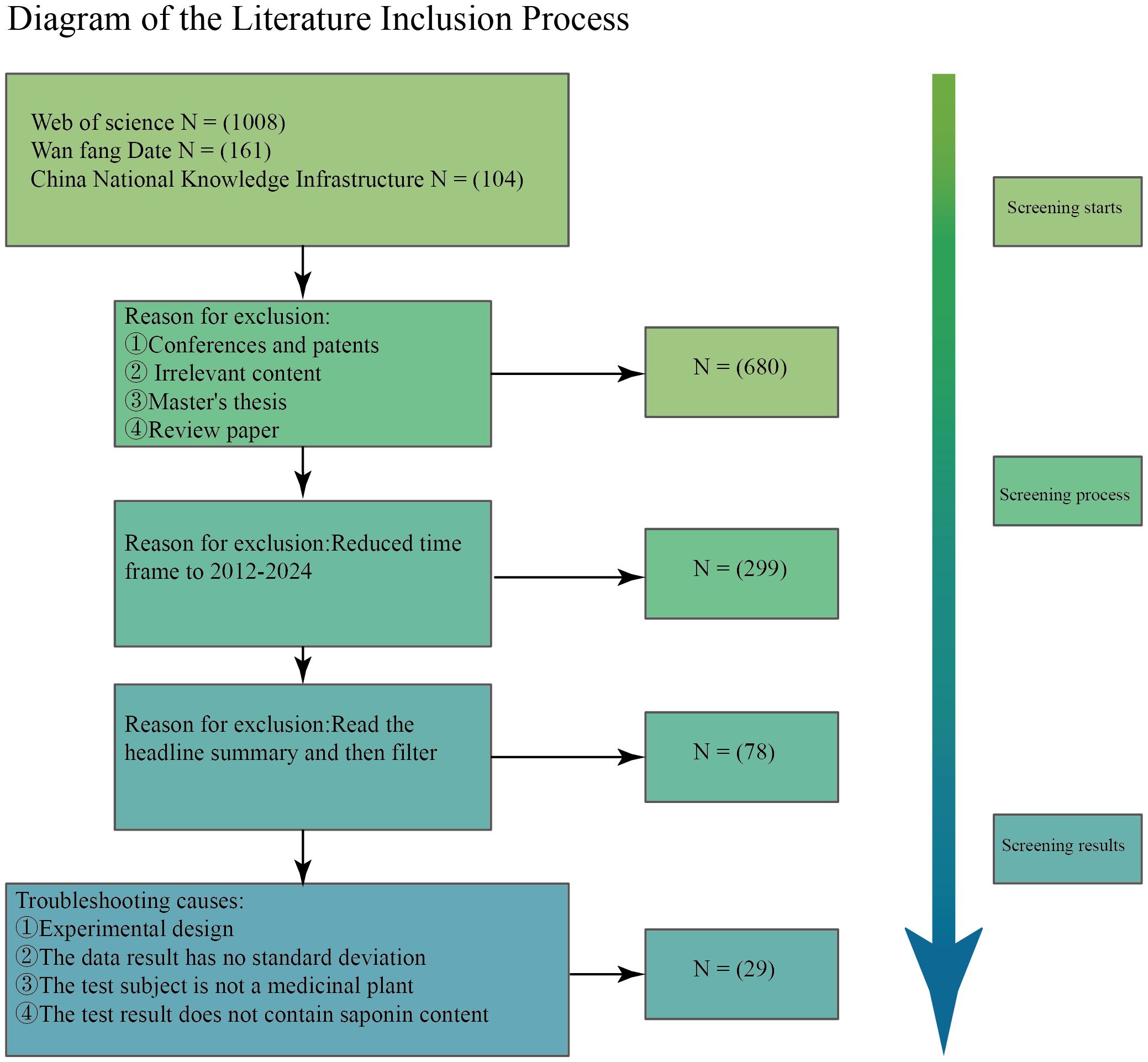
Figure 1. Literature incorporation flow chart, literature data collection and screening process.
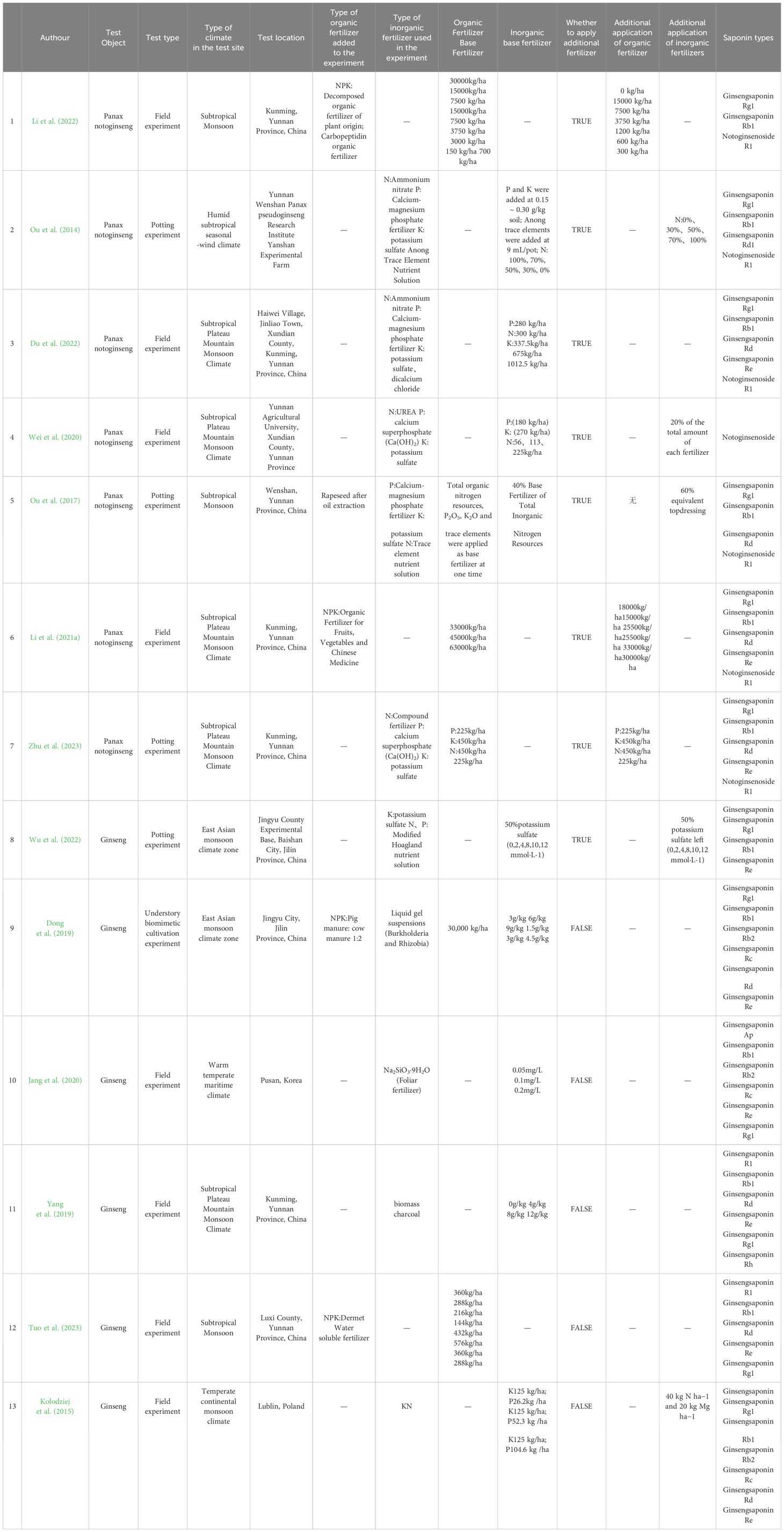
Table 1A. Characterization of the effect of nitrogen, N、P、K fertilizer addition on the saponin content of different medicinal plants.
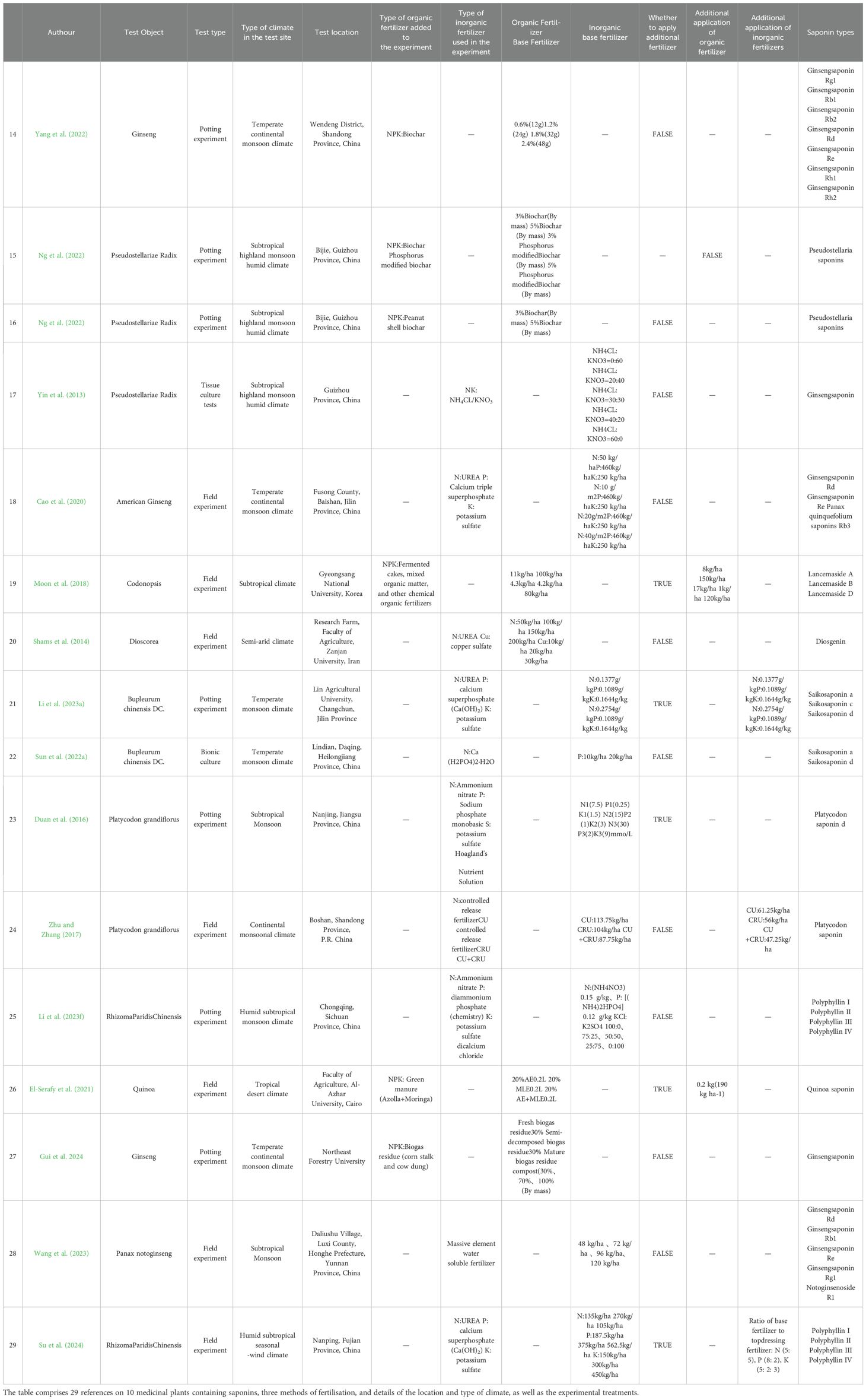
Table 1B. Characterization of the effect of N、P、K fertilizer addition on the saponin content of different medicinal plants.
2.3 Quality assessment of research literature
This meta-analysis employs Cochran’s Review Manager 5.4 software to evaluate the quality and risk of the literature. The assessment was conducted across six domains: selection bias, allocation bias, performance bias, measurement bias, follow-up bias, reporting bias, and other potential biases. Each criterion was evaluated and classified as either “low risk”, “unclear risk”, or “high risk” of bias (Figure 2).
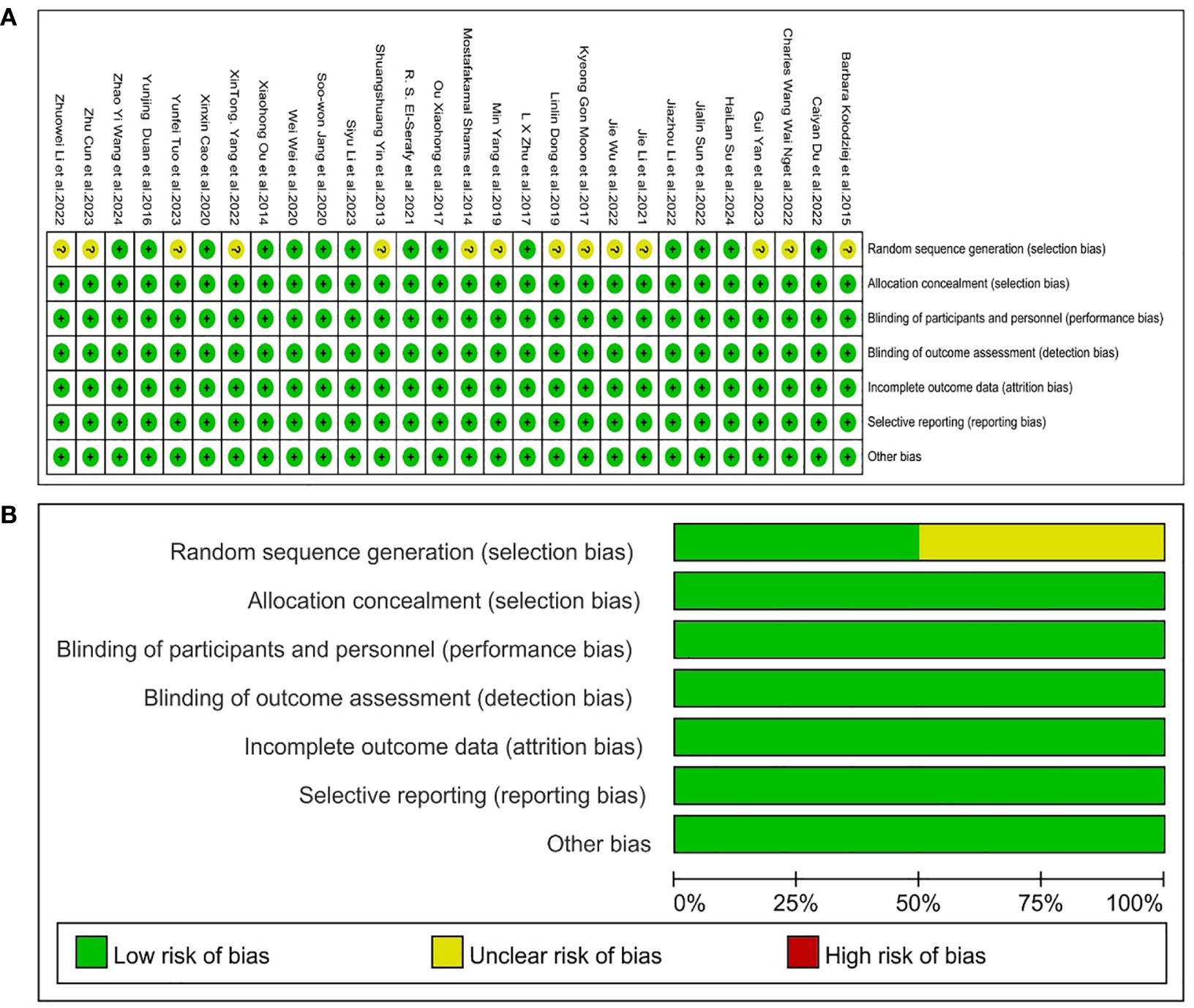
Figure 2. Risk of bias map for included studies. The risk of bias for the included studies was assessed using Review Manager 5.4. (A) Illustrates the specific risk assessment for each article with respect to each assessment aspect. (B) Illustrates the proportion of each risk for each assessment aspect of the included articles.
2.4 Data analysis
First, the gathered data will be categorized and grouped based on the type of fertilizer applied and the type of medicinal plant saponin measured, with four distinct categories established: 1) the effect of fertilizer addition on medicinal plant saponin content; 2) the influence of inorganic fertilizer treatment on medicinal plant saponin content; 3) the effect of organic fertilizer treatment on medicinal plant saponin content; and 4) the impact of combined organic and inorganic fertilizer application on medicinal plant saponin content. Subsequently, the Meta-analysis data package of Stata MP 17 will be utilized for data analysis and the construction of forest plots. Given that the outcome measurement indicators in the included studies consist of continuous variables with varying scoring methods, the standardized mean difference (SMD) and corresponding 95% confidence interval from different studies will be employed as effect sizes for result aggregation. Additionally, the I2 statistic will be used to assess the heterogeneity of effects among the studies.
3 Results
3.1 Effect of fertilizer addition on the saponin content of medicinal plants
By analyzing the experimental data from all fertilizer groups, it has been demonstrated that the application of fertilizer markedly increases the saponin content in medicinal plants (N = 29,912; SMD = 1.41; P < 0.001) (Figure 3). Specifically, fertilizer application notably enhances the levels of Ginsenoside R1 (N = 3,54; SMD = 14.72, P < 0.001) (Figure 4A), Ginsenoside Rb1 (N = 14,151; SMD = 1.07, P < 0.001) (Figure 4B), Ginsenoside Rc (N = 3,27; SMD = 3.22, P < 0.001) (Figure 4D), Ginsenoside Rg1 (N = 14,140; SMD = 3.22, P < 0.001) (Figure 4F), Polyphyllin I, II, VI, VII (N = 2,70; SMD = 2.39, P < 0.001) (Figure 5A), Platycodin (N = 1,33; SMD = 1.56, P < 0.001) (Figure 5B), Lancemaside A, B, D (N = 1,15; SMD = 0.62, P < 0.05) (Figure 5C), Notoginsenoside and Notoginsenoside R1 (N = 2,54; SMD = 2.39, P < 0.001) (Figure 5D), Dioscin (N = 1,35; SMD = 5.69, P < 0.001) (Figure 5E), Saikosaponin A, C, D (N = 2,18; SMD = 2.23, P < 0.001) (Figure 5F), and Quinquenoside Ro, Rd, Rb3 (N = 1,57; SMD = 1.03, P < 0.001) (Figure 5G). Fertilizer application also markedly promotes the content of total saponins in medicinal plants, including Ginseng total saponins, Panax notoginseng total saponins, Chenopodium quinoa Willd total saponins, and Pseudostellariae heterophylla total saponins (N = 10,69; SMD = 0.79, P < 0.001) (Figure 5H). Moreover, the application of fertilizer markedly inhibits the accumulation of Ginsenoside Rb2 (N = 4,31; SMD = -0.51, P < 0.001) (Figure 4C), Ginsenoside Re (N = 12,158; SMD = -0.24, P < 0.001) (Figure 4E), and total saponins of Codonopsis pilosula (N = 2,12; SMD = -0.64, P < 0.001) (Figure 5H) in medicinal plants. The experimental data for Lancemaside and Coix saponins were derived solely from organic fertilizer treatments, whereas the data for Polyphyllin, Dioscin, Quinquenoside, and Platycodin originated from inorganic fertilizer treatments.
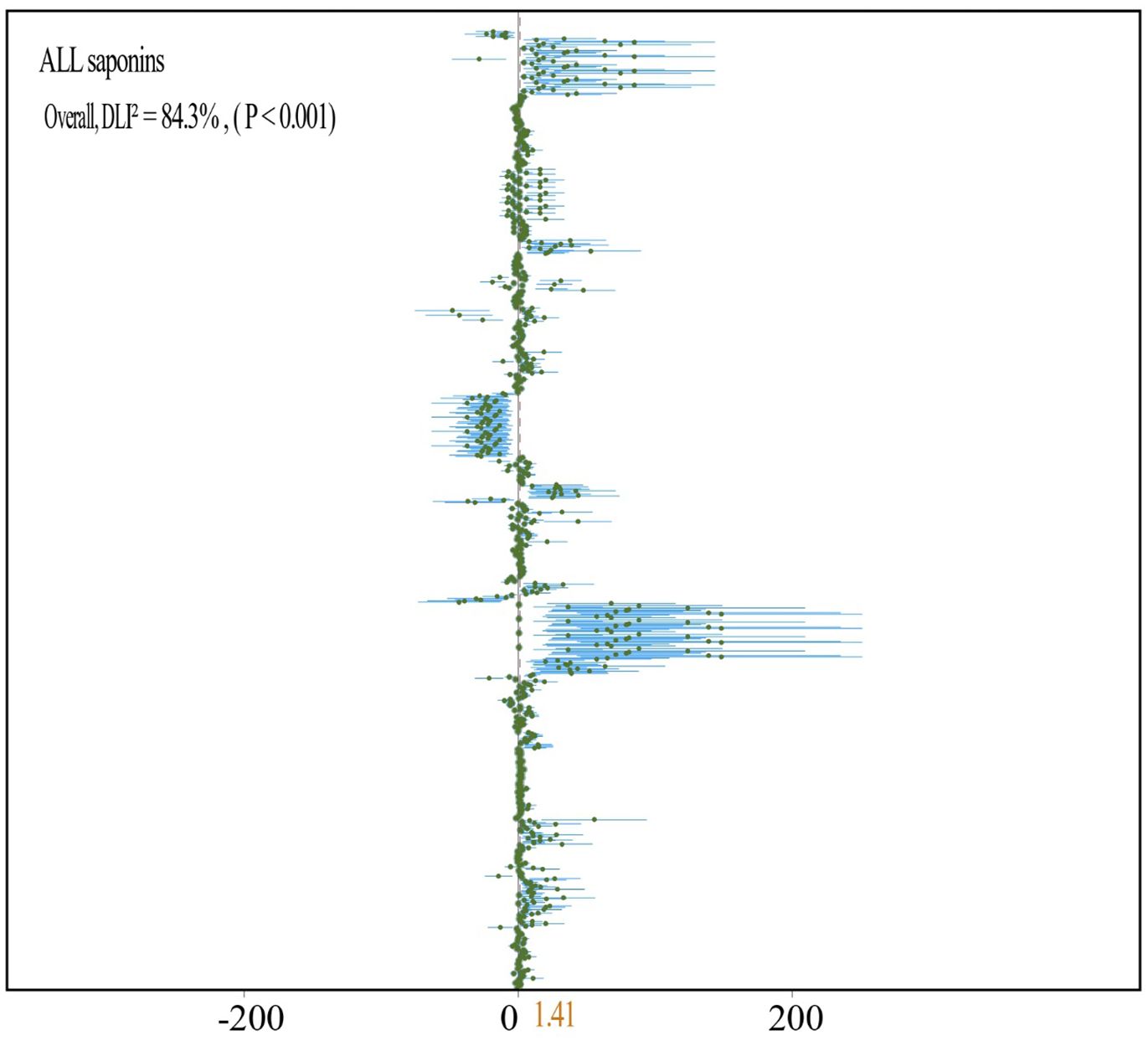
Figure 3. The overall forest plot showing the impact of fertilizer addition on the saponin content of medicinal plants. The plot is generated using a random-effects model, where N represents the number of studies included, and the numbers in parentheses indicate the total sample size.
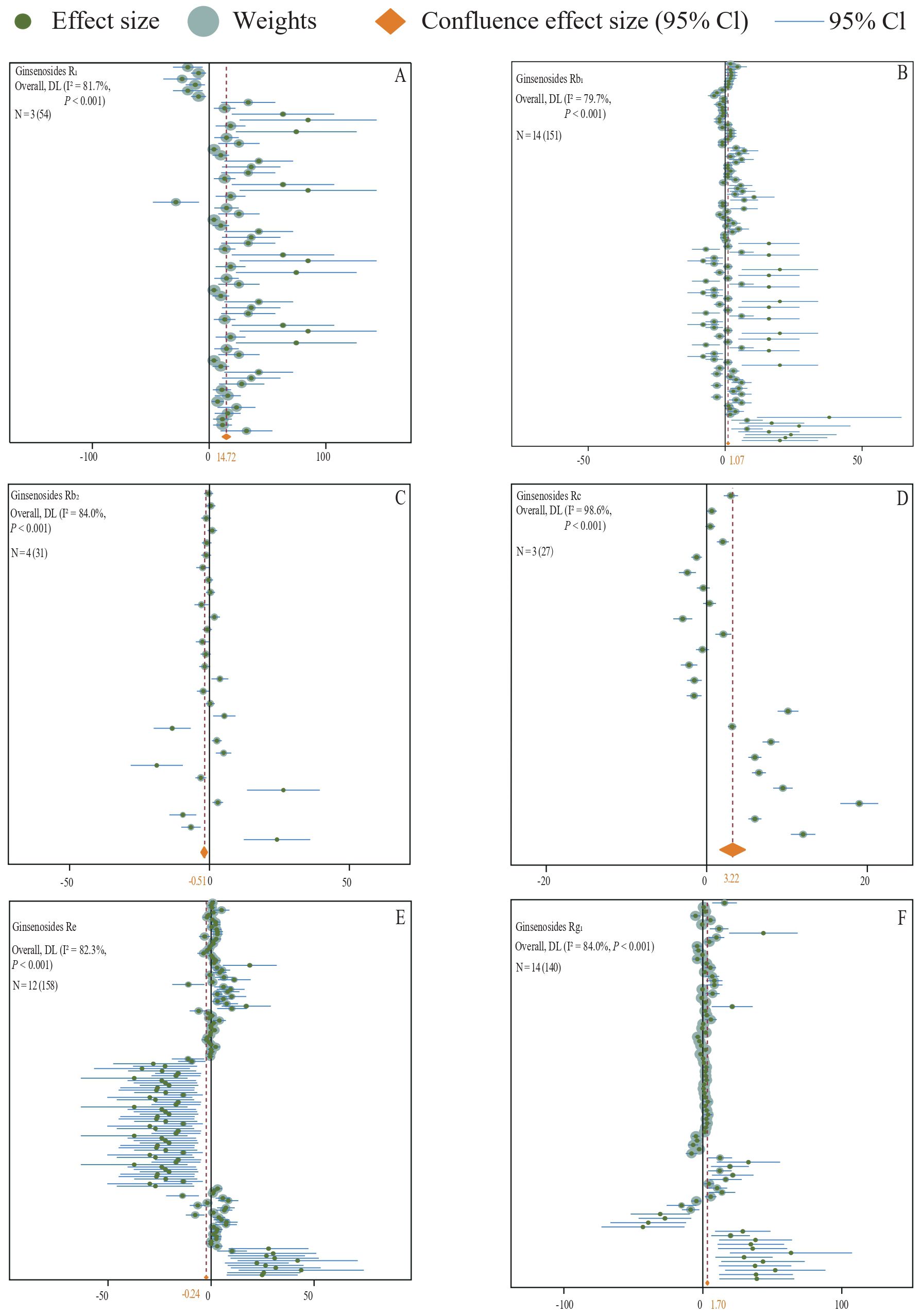
Figure 4. (A–F) A forest plot of the effect of all types of fertilizer additions on the content of medicinal plant saponins is presented. The plotting was conducted using a random effects model, where N indicates the number of included studies, and the number in parentheses indicates the total sample size.
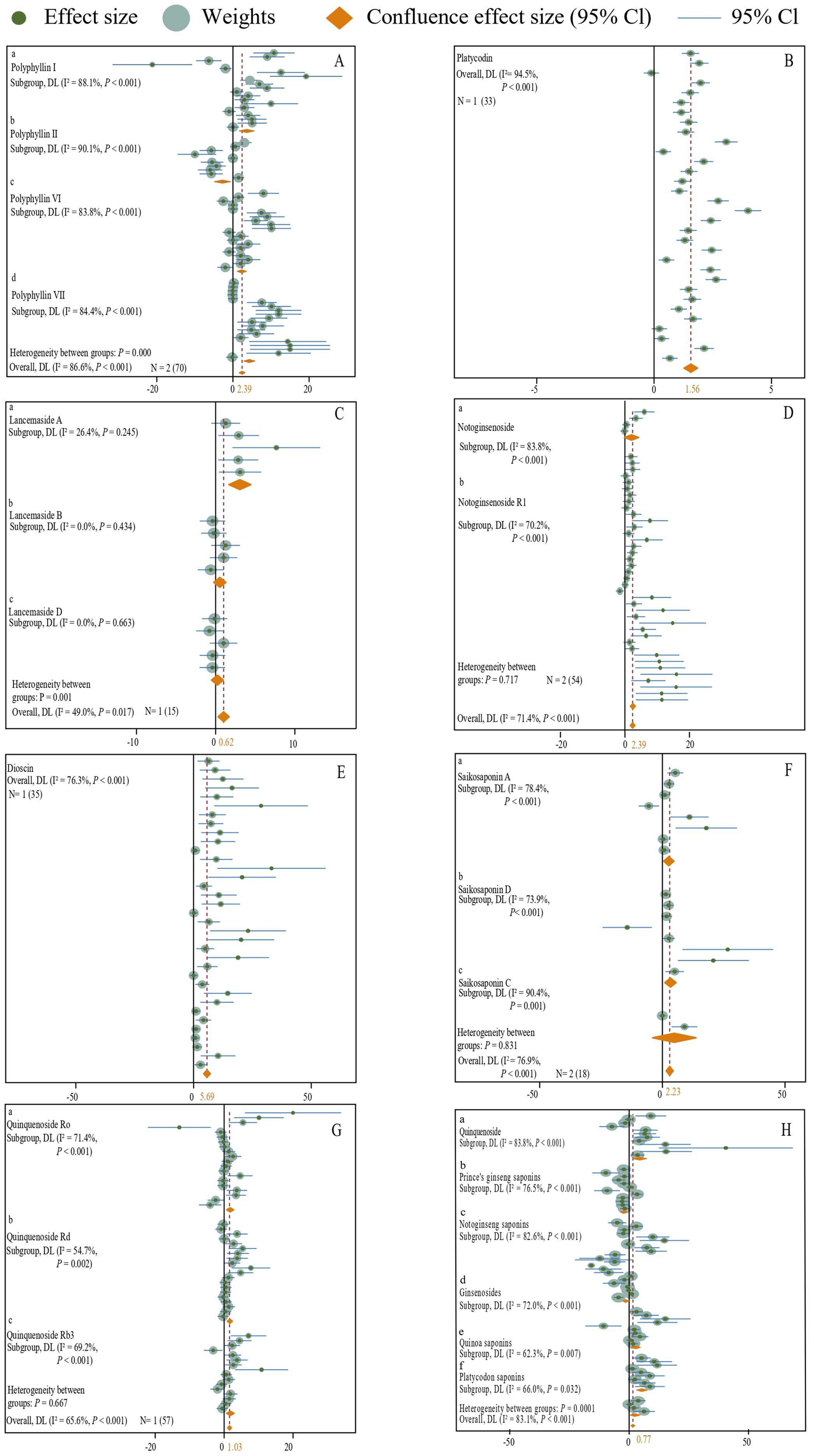
Figure 5. (A–H) A forest plot of the effect of all types of fertilizer additions on the content of medicinal plant saponins is presented. A random effects model was employed for plotting, with N indicating the number of included studies and the number in parentheses indicating the total sample size.
3.2 Effect of inorganic fertilizer addition on the saponin content of medicinal plants
The analysis of experimental data encompassing various types of inorganic fertilizers reveals a substantial increase in the accumulation of saponins in medicinal plants (N = 17,330; SMD = 1.90, P = 0.001) (Figure 6). Specifically, the application of inorganic fertilizers has been shown to markedly enhance the levels of Polyphyllin I, II, VI, VII (N = 2,70; SMD = 2.39, P < 0.001) (Figure 5A), Platycodin (N = 1,33; SMD = 1.56, P < 0.001) (Figure 5B), Dioscin (N = 1,35; SMD = 5.69, P < 0.001) (Figure 5E), Quinquenoside Ro, Rd, Rb3 (N = 1,57; SMD = 1.03, P < 0.001) (Figure 5G), Notoginsenoside R1 (N = 4,28; SMD = 2.62, P < 0.001) (Figure 7A), Ginsenoside Rb (N = 8,72; SMD = 1.18, P < 0.001) (Figure 7B), Ginsenoside Rc (N = 2,21; SMD = 2.20, P < 0.001) (Figure 7C), Ginsenoside Rd (N = 5,58; SMD = 1.46, P < 0.001) (Figure 7D), Ginsenoside Re (N = 8,90; SMD = 1.56, P < 0.001) (Figure 7E), and Ginsenoside Rg1 (N = 8,61; SMD = 2.05, P < 0.001) (Figure 7F) within medicinal plants.
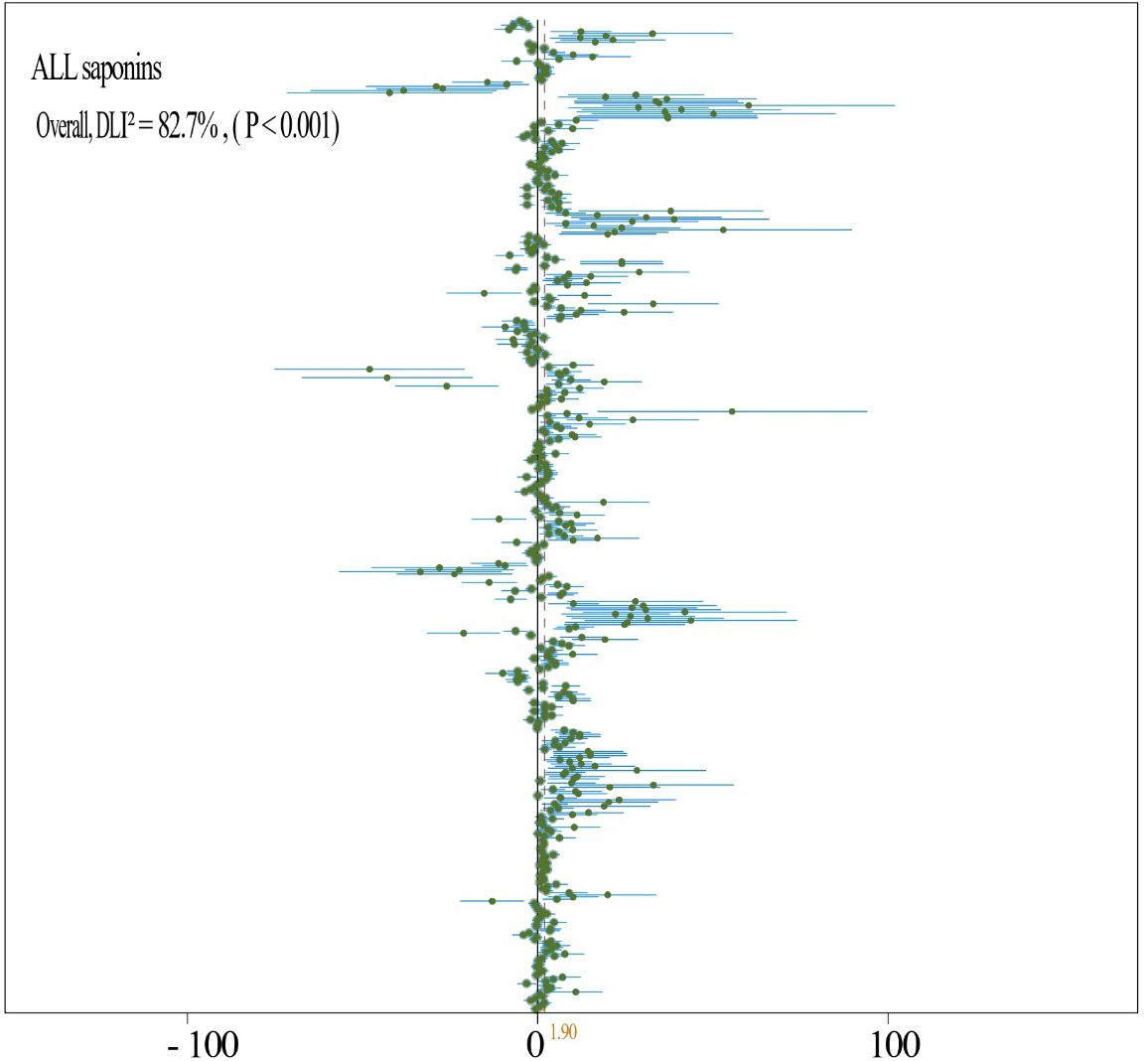
Figure 6. Total forest plot of the effect of different types of inorganic fertilizer addition on saponin content of medicinal plants saponins. A random effects model was used for plotting, where N indicates the number of included studies, and the number in parentheses indicates the total sample size.
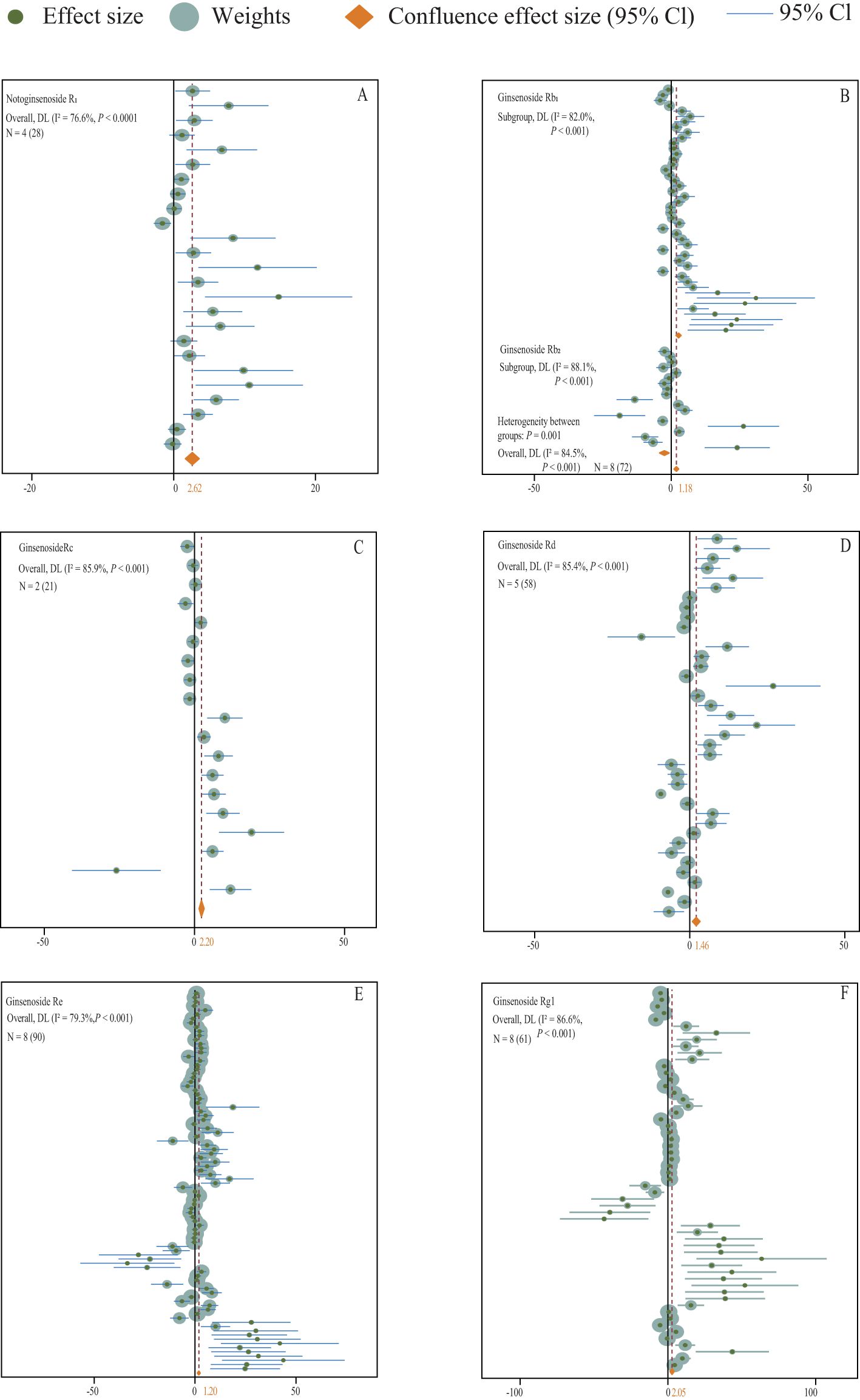
Figure 7. (A–F) A forest plot of the effect of inorganic fertilizer addition on the content of medicinal plant saponins is presented. A random effects model was employed for plotting, with N indicating the number of included studies and the number in parentheses indicating the total sample size.
3.3 Effect of organic fertilizer addition on the saponin content of medicinal plants
The analysis of experimental results involving the incorporation of organic fertilizers indicates that such an inclusion leads to a marked increase in saponin accumulation in medicinal plants (N = 11,372; SMD = 0.91, P < 0.001) (Figure 8). Specifically, the application of organic fertilizers has been shown to markedly enhance the accumulation of Lancemaside A, B, D (N = 1,15; SMD = 0.62, P < 0.05) (Figure 5C), Ginsenoside R1 (N = 2,54; SMD = 2.85, P < 0.001) (Figure 9A), Ginsenoside Rb (N = 4,74; SMD = 0.88, P < 0.001) (Figure 9B), Ginsenoside R1 (N = 2,54; SMD = 14.96, P < 0.001) (Figure 9C), and Ginsenoside Rd (N = 4,70; SMD = 6.5, P < 0.001) (Figure 9F), while suppressing the accumulation of Ginsenoside Rd (N = 3,60; SMD = -2.22, P < 0.001) (Figure 9D) and Ginsenoside Re (N = 3,60; SMD = -11.8, P < 0.001) (Figure 9E).
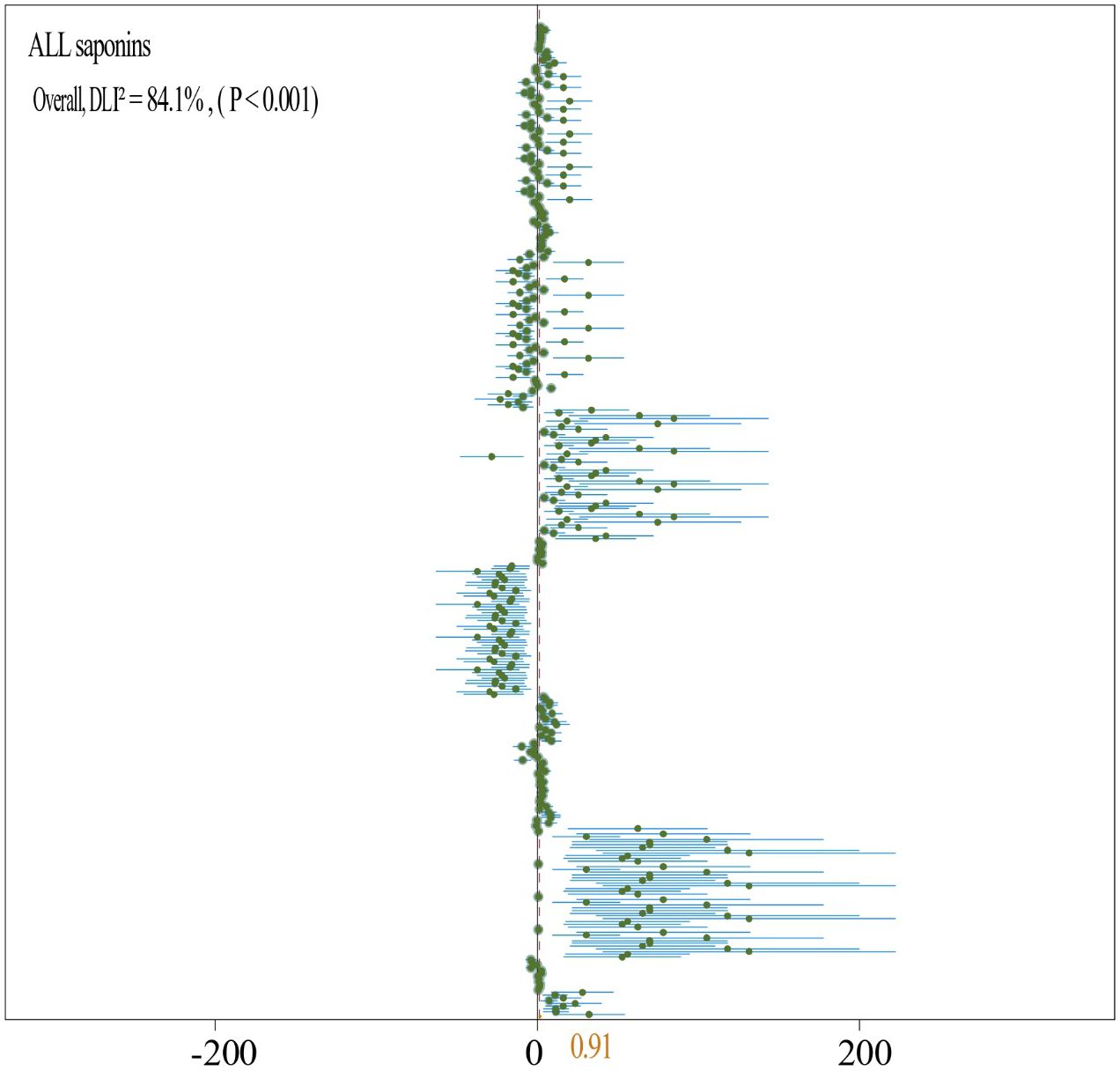
Figure 8. Total forest plot of the effect of different types of organic fertilizer addition on the saponin content of various medicinal plants. A random effects model was used for plotting, where N indicates the number of included studies, and the number in parentheses indicates the total sample size.
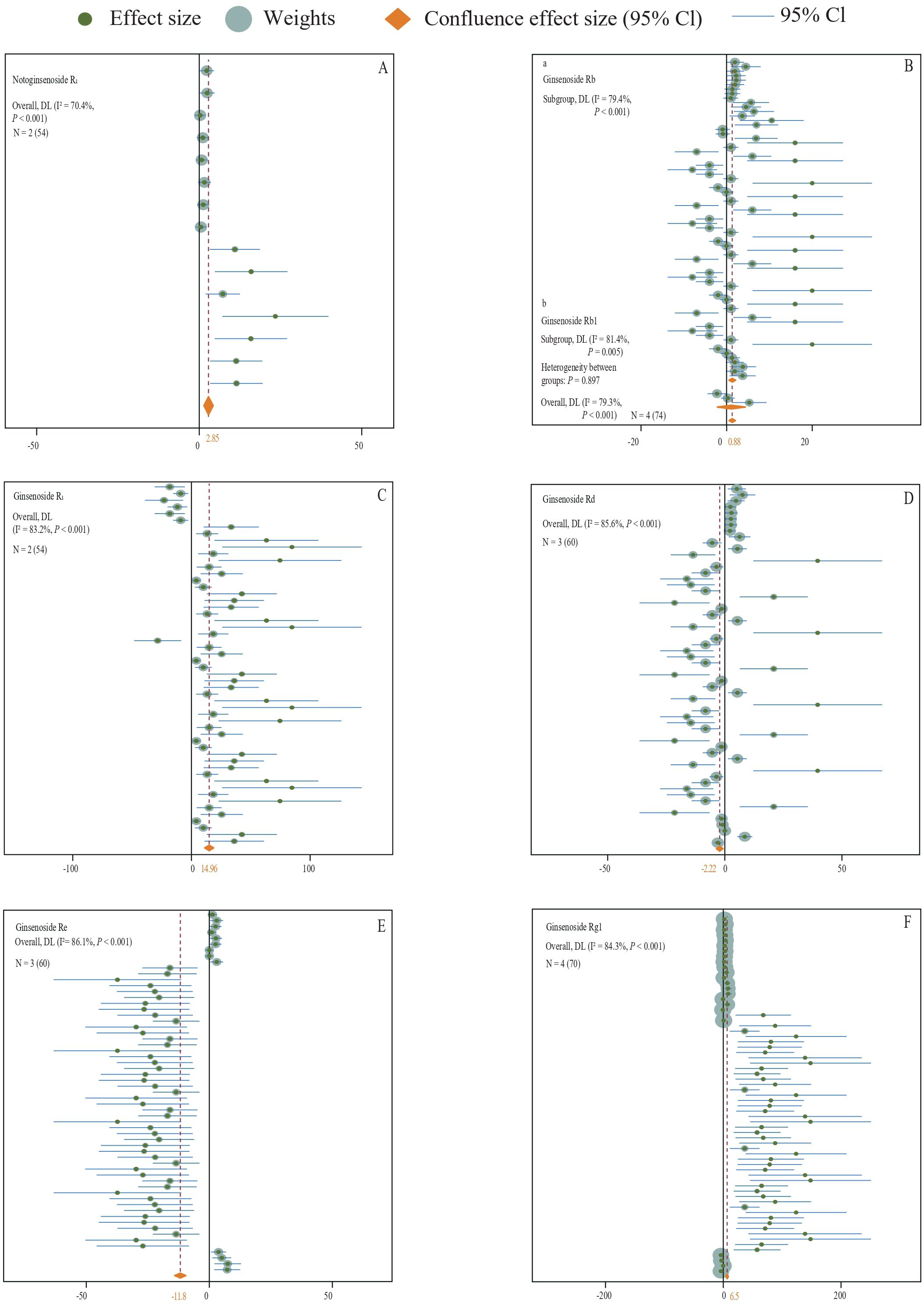
Figure 9. (A–F) The forest plot illustrates the effect of organic fertilizer addition on the content of medicinal plant saponins. A random effects model was employed for plotting, with N in the plot indicating the number of included studies and numbers in parentheses indicating the total sample size.
3.4 The effect of organic and inorganic fertilizers on the saponin content of medicinal plants
The assessment of experimental interventions that involve the concurrent use of both organic and inorganic fertilizers indicates that their combined application can notably promote the accumulation of saponins in medicinal plants (N = 2,43; SMD = 0.72, P < 0.001) (Figure 10). Specifically, for Notoginsenoside Rb1 (N = 1,3; SMD = 1.92, P < 0.001) (Figure 11A), Ginsenoside Rb (N = 2,15; SMD = 0.44, P < 0.001) (Figure 11B), Ginsenoside Rc (N = 2,6; SMD = 0.51, P < 0.001) (Figure 11C), Ginsenoside Rd (N = 2,9; SMD = 0.70, P < 0.001) (Figure 11D), Ginsenoside Rc (N = 1,6; SMD = 0.27, P < 0.001) (Figure 11E), and Ginsenoside Rg1 (N = 2,9; SMD = 0.99, P < 0.001) (Figure 11F).
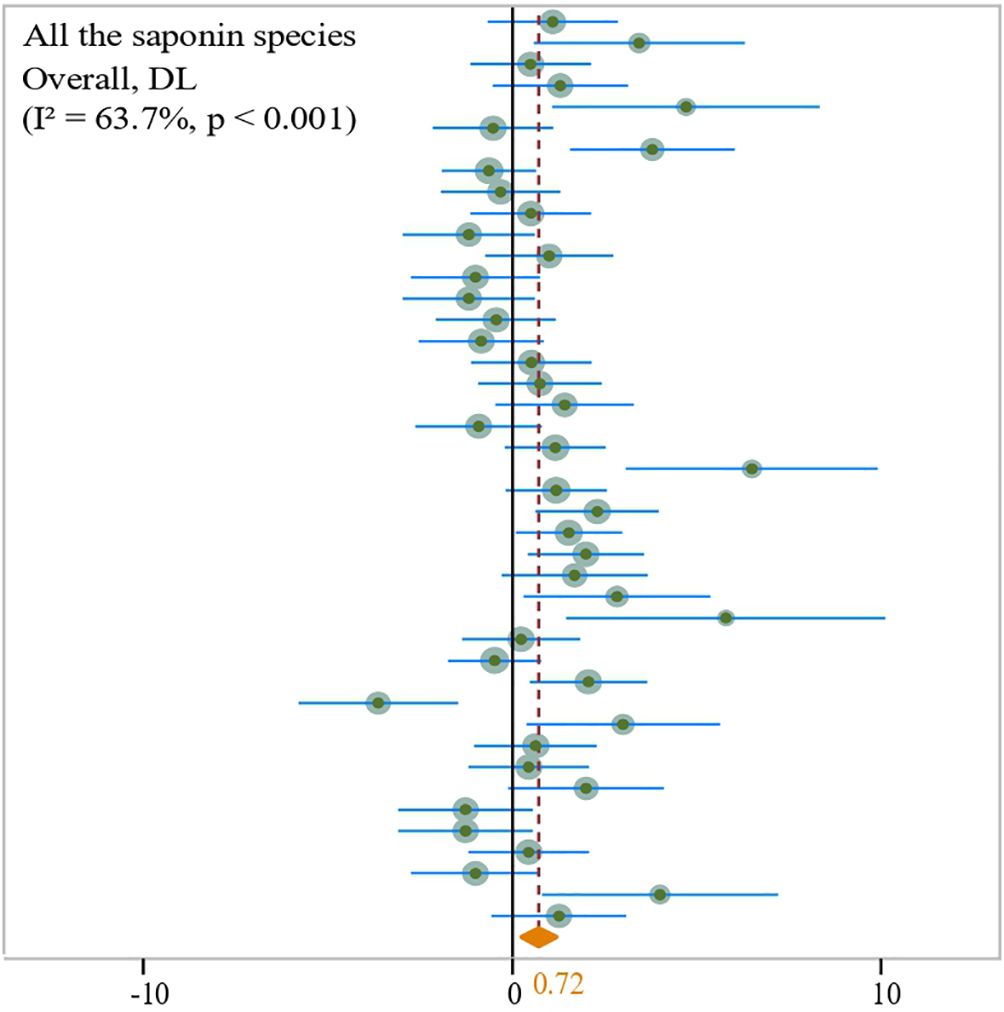
Figure 10. Total forest plot of the effect of organic and inorganic fertilizer formulation on saponin content of medicinal plants, plotted using random effects model.
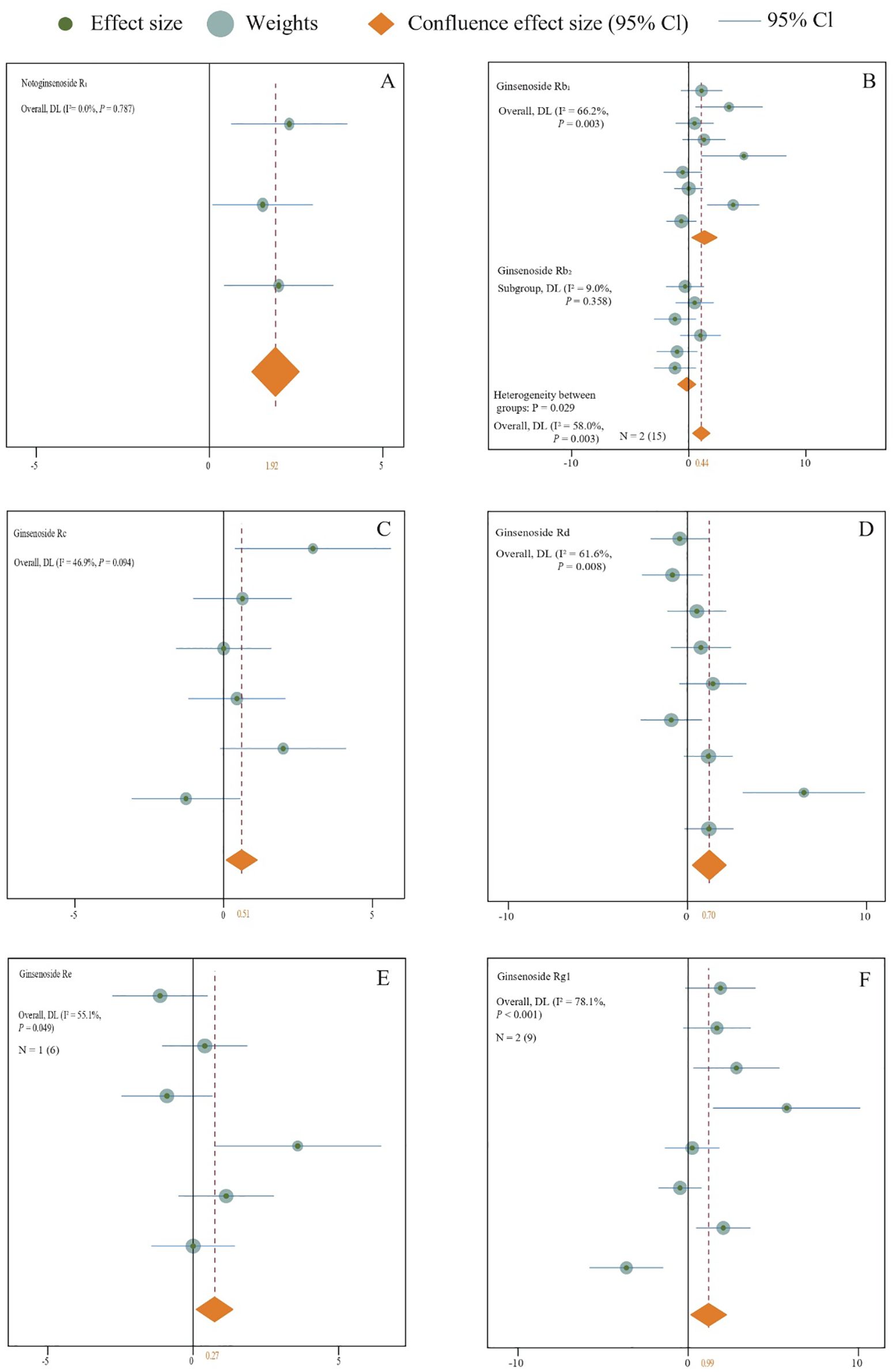
Figure 11. (A–F) The following forest plot illustrates the effect of organic and inorganic fertilizer formulations on the content of medicinal plant saponins. A random-effects model was employed for plotting, with N in the figure indicating the number of included studies and numbers in parentheses indicating the total sample size.
4 Discussion
4.1 Effect and mechanism of inorganic fertilizer addition on medicinal plant soaps
Inorganic fertilizers are extensively utilized as a primary fertilization approach to improve both crop yield and quality (Melaku et al., 2018; Huang et al., 2022). For example, Xia et al. (2016) demonstrated that the application of inorganic fertilizers containing nitrogen, phosphorus, and potassium at respective rates of 0 kg 667 m², 17.01 kg 667 m², and 56.87 kg 667 m² resulted in the highest recorded root yield of 1861.90 g, alongside a reduction in the incidence of root diseases. Additionally, Sun et al. (2022b) observed that a combination of nitrogen fertilizer at 50 g m², phosphorus fertilizer at 15 g m², and potassium fertilizer at 60 g m² yielded the most significant benefits, notably increasing both the biomass of ginseng roots and the concentrations of several Ginsenosides (Rg1, Re, Rf, Rg2, Rb1, Ro, Rc, Rb2, Rb3, and Rd). These findings align with our results, which suggest that the incorporation of inorganic fertilizers substantially enhances the accumulation of various saponins, including Notoginsenoside Rg1, Ginsenoside (Rb1, Rc, Rd, Re, Rg1), as well as Polyphyllin, Dioscin, ginseng saponins, and Platycodin, in medicinal plants. The mechanisms responsible for the increased saponin content in Chinese medicinal plants due to inorganic fertilizer application may involve the following factors:
1) Direct nutrient supply: Inorganic fertilizers are capable of rapidly and directly delivering essential nutrients to plants, such as nitrogen, phosphorus, and potassium, which serve a pivotal function in the growth, development, and metabolic processes of medicinal plants (Li et al., 2021b; Dlamini et al., 2024). Additionally, specific inorganic fertilizers are also enriched with trace elements, including zinc, iron, and manganese, which are vital for the growth and metabolic activities of these plants (Manzoor et al., 2024). The biosynthesis of saponins in medicinal plants is closely associated with the availability of these key nutrients (Lu et al., 2024; Qin et al., 2024).
2) Enhancement of plant metabolism: Inorganic fertilizers are known to influence plant growth and development by modulating the synthesis and regulation of plant hormones (Adhikari et al., 2024; Wang et al., 2024c). Nitrogen-based fertilizers, for instance, can elevate the levels of gibberellins and auxins in plants, both of which are involved in promoting the biosynthesis of saponins (Leilah and Khan, 2021; Chen et al., 2024b). Furthermore, inorganic fertilizers can regulate saponin synthesis through modulation of the enzymatic activity involved in plant metabolic pathways (Ibrahim et al., 2013; Mohamed et al., 2023). Phosphorus, an essential element in numerous enzyme synthesis processes, also affects the activity of these enzymes, thereby influencing saponin production (Gui et al., 2024; Shi et al., 2024; Solangi et al., 2024). In summary, the application of inorganic fertilizers provides critical nutrients for the growth of medicinal plants within a relatively brief period, facilitating high yields. Additionally, the incorporation of inorganic fertilizers can modulate the activity of soil enzymes and phytohormone synthases, thus enhancing the concentration of bioactive constituents in medicinal plants and improving their overall quality (Qaisi et al., 2023; Zhang et al., 2022). However, prolonged use of inorganic fertilizers may lead to detrimental effects, such as a decline in soil organic matter content, soil acidification, and a reduction in soil microbial diversity (Tripathi et al., 2020; Pahalvi et al., 2021), which can adversely affect the growth of medicinal plants, the synthesis of their active compounds, and subsequently, their yield and quality (Pant et al., 2021; Ouyang et al, 2024). This could compromise the sustainable cultivation of medicinal plants.
4.2 Effect and mechanism of organic fertilizer addition on medicinal plant saponins
Organic fertilization, a widely adopted agricultural practice to improve crop quality, is commonly applied in the cultivation of medicinal plants to enhance the concentration of bioactive constituents (Singh et al., 2020; Tian et al., 2022). In contrast to the rapid nutrient release characteristic of inorganic fertilizers, organic fertilizers gradually release essential nutrients into the soil, thereby ensuring a continuous supply for plant growth and the synthesis of secondary metabolites (Wang et al., 2021; Shaji et al., 2021). Furthermore, the application of organic fertilizers has been shown to increase the population of soil microorganisms and stimulate soil enzyme activity, thereby influencing nutrient transformations in the soil and facilitating the uptake of available nutrients by plants (Řezáčová et al., 2021; Shu et al., 2022; Hu et al., 2024). The results of this study reveal that the incorporation of organic fertilizers markedly enhances the content of Ginsenosides (Rg1, Rb1, Rb2, and Re) and Notoginsenoside Rg1. This finding aligns with those of Liu et al. (2024b), who reported that, compared to the control group, treatments with 2% and 4% organic fertilizer increased the content of polyphylla saponins by 37.1% and 60.3%, respectively. In a similar vein, Gui et al. (2024) observed that the application of fully matured, decomposed biogas slurry notably increased the total saponin content of ginseng. The proposed mechanisms underlying these promoting effects are as follows:
1) The application of organic fertilizers has been shown to enrich the population of beneficial soil microorganisms and to enhance the saponin content in medicinal plants by improving the soil environment (Cheng et al., 2020). For instance, Shi et al. (2022) demonstrated that the use of bio-organic fertilizers resulted in a significant increase in the dry weight of Panax notoginseng compared to the control treatment. This outcome was attributed to the ability of bio-organic fertilizers to mitigate soil acidification, increase organic matter content, and elevate the levels of both total and available nutrients in the soil. Moreover, bio-organic fertilizers had a profound impact on the composition of rhizosphere bacterial communities, promoting the proliferation of specific bacterial groups. In a similar study, Du et al. (2024) reported that the addition of chicken manure reduced the NH4+/NO3- ratio in the soil by 64%, leading to increased activity of saprophytic fungi (Sordariales and Pezizales), which consequently enhanced the yield of Fritillaria bulbs by a factor of 6.8 and elevated the content of active substances. In essence, organic fertilizers establish an optimal nutrient environment for soil microorganisms, thereby enhancing their abundance and activity, including that of actinomycetes, nitrifying bacteria, phosphate-solubilizing bacteria, and other microorganisms (Hou et al., 2023). These microorganisms serve a critical function in facilitating nutrient conversion in the soil and supporting plant nutrient uptake, ultimately promoting the synthesis of saponins in medicinal plants. Furthermore, Li et al. (2023c) demonstrated that co-inoculation of Bacillus amyloliquefaciens, Bacillus weihenstephanensis, and Paenibacillus mucilaginosus in the cultivation of Paris polyphylla resulted in increases in root and rhizome biomass, as well as in the content of steroidal saponins, available phosphorus, and total phosphorus by 134.58%, 132.56%, 51.64%, and 17.19%, respectively.
2) Organic fertilizer application has been shown to enhance soil enzyme activity, thereby contributing to the accumulation of bioactive compounds in medicinal plants. Enzymes such as invertase, urease, and peroxidase are essential in the breakdown of organic matter and the transformation of nutrient elements within the soil, which in turn improves nutrient uptake by plants (Liu et al., 2024b). For instance, a study indicated that the use of a bio-organic fertilizer containing Bacillus megaterium, Bacillus mucilaginosus, and Bacillus subtilis resulted in a significant increase in the activity of various soil enzymes, including leucine aminopeptidase, β-glucosidase, β-N-acetylglucosaminidase, soil acid phosphatase, β-xylosidase, and β-mannosidase (P < 0.05). This treatment also led to a 17.71% increase in tea polyphenol content, as well as a 33.05% and 22.20% increase in amino acid concentrations (Liu et al., 2023b). In a separate study by Jiang et al. (2024), the addition of 20 mg g⁻¹ and 40 mg g⁻¹ of biochar resulted in elevated levels of available potassium, phosphorus, nitrogen, and organic matter, as well as increased urease and protein activity, which subsequently raised the total flavonoid content in Hedyotis diffusa.
Moreover, while the application of organic fertilizers can facilitate the accumulation of bioactive compounds in medicinal plants, consideration must be given to potential limitations (Shaji et al., 2021; Tian et al., 2022). Organic fertilizers, characterized by low nutrient concentrations, require microbial decomposition for nutrient absorption and utilization by plants, which can negatively affect plant growth and development (Hubballi et al., 2022; Hong et al., 2023; Tao et al., 2024). In addition, the long-term application of organic fertilizers may disrupt soil ecology. For example, such fertilizers may contain residual heavy metals, antibiotics, veterinary drugs, and other contaminants (Xue et al., 2021; Shu et al., 2024). Therefore, the adoption of scientifically sound and appropriate methods for organic fertilizer use is essential to support the sustainable cultivation of Chinese medicinal plants.
4.3 Effect of organic and inorganic fertilizer blending on saponins of medicinal plants
The combined use of organic and inorganic fertilizers, regarded as an optimized fertilization strategy, not only amalgamates the advantages of both fertilizer types but also mitigates the limitations inherent in their independent applications (Shang et al., 2025). This integrated approach addresses the decline in soil microbial populations caused by the prolonged use of inorganic fertilizers alone while also overcoming the slow nutrient release characteristic of organic fertilizers when applied independently (Wang et al., 2024a). Moreover, the ability to adjust substitution ratios offers varied options for soil improvement across different environmental contexts, providing flexible strategies for nutrient supply tailored to specific crop cultivation methods (Song et al., 2022; Xu et al., 2024). The practice of integrated fertilization has been widely adopted in the cultivation of medicinal plants and has been extensively studied (Nchu et al., 2017; Tripathi and Singh, 2021). The results of this investigation revealed that the concurrent use of organic and inorganic fertilizers markedly enhanced the concentrations of Ginsenosides Rb1, Rb2, Rd, and Re in medicinal plants. These findings align with those reported by Li et al. (2023b), who demonstrated that a 7:3 mixture of organic and inorganic fertilizers improved soil fertility and increased Gorgon fruit yield by 5.72–6.21% relative to the control group. Additionally, Li et al. (2023b) found that this 7:3 fertilizer ratio notably increased the abundance of beneficial microorganisms, such as Chloroflexi, Gammaproteobacteria, and Hypocreales-incertae-sedis. Likewise, Li et al. (2023d) indicated that replacing chemical fertilizers with organic fertilizers boosted crop yield in a wheat-maize rotation system, and partial substitution of chemical fertilizers with organic alternatives improved soil humus quality, reduced soil acidification, and enhanced soil enzyme activities, with the optimal substitution ratio being 50%. Furthermore, Sun et al. (2024) reported that the combined application of organic and inorganic fertilizers resulted in varying increases in the content of total sugars, starch, crude protein, total amino acids, and ash. The highest improvements were observed with a treatment consisting of 25% organic fertilizer and 75% inorganic fertilizer, showing increases of 6.31%, 3.78%, 18.40%, 29.70%, and 10%, respectively. Finally, Ou et al. (2017) identified that a 1:1 ratio of organic to inorganic nitrogen was optimal for promoting the growth of Panax notoginseng and the accumulation of saponins, with this ratio markedly increasing the total content of Notoginsenoside.
Finally, the combined application of organic and inorganic fertilizers has the potential to improve soil quality and promote plant growth through various mechanisms, which may influence the saponin content in medicinal plants (Du et al., 2023). This effect results from the interaction of multiple factors, including enhanced soil fertility, the optimization of soil microbial communities, the direct provision of essential nutrients for plant development, and the enhancement of the plant growth environment (Trivedi et al., 2020; Ahsan et al., 2024; Qiao et al., 2024)
5 Conclusions
This meta-analysis presents evidence that the incorporation of various fertilizers notably increases the accumulation of saponins in medicinal plants. Organic fertilizers have been shown to consistently elevate the levels of saponins, such as Notoginsenoside R1, Ginsenoside Rb1, Ginsenoside Rb2, Ginsenoside Re, Ginsenoside Rg1, Lancemasid saponins, and Quinoa saponins while reducing the concentration of Ginsenoside Rc and Ginsenoside Rd. The application of inorganic fertilizers has similarly been observed to substantially enhance the accumulation of a wide range of saponins, including Notoginsenoside Rg1, Ginsenoside Rb1, Ginsenoside Rc, Ginsenoside Rd, Ginsenoside Re, Ginsenoside Rg1, Polyphyllin, Dioscin, Quinquenoside, and Platycodin. Furthermore, the combined application of organic and inorganic fertilizers markedly boosts the levels of Notoginsenoside R1, Ginsenoside Rb1, Ginsenoside Rb2, Ginsenoside Rc, Ginsenoside Rd, Ginsenoside R, and Ginsenoside Rg1 in medicinal plants. Our research provided a scientific evidence and guidance for the optimal selection and application of fertilizers in the cultivation of saponin-containing medicinal plants. Additionally, this investigation primarily focused on examining the effects of various fertilizers on saponin content in medicinal plants without delving into the underlying mechanisms. Additionally, this investigation primarily concentrated on examining the macroscopic effects of various fertilizers on saponin content in medicinal plants without addressing microscopic mechanisms. Future research could further explore the specific molecular mechanisms through which the combined use of organic and inorganic fertilizers influences gene expression related to saponin biosynthesis, plant growth hormone regulation, and soil microbial ecology, employing techniques such as field trials, soil culture experiments, plant physiology, and molecular biology methods,
Author contributions
JL: Data curation, Formal analysis, Investigation, Methodology, Resources, Visualization, Writing – original draft. SL: Data curation, Investigation, Writing – review & editing. CH: Writing – review & editing. LD: Writing – review & editing. HW: Writing – review & editing. XL: Writing – review & editing. FY: Writing – review & editing. QS: Writing – review & editing. HZ: Writing – review & editing. GM: Writing – review & editing. SZ: Supervision, Validation, Writing – review & editing. YB: Conceptualization, Funding acquisition, Supervision, Validation, Writing – review & editing.
Funding
The author(s) declare financial support was received for the research, authorship, and/or publication of this article. This work was supported by the Key Research and Development Projects of “Vanguard” and “Leading Goose” in Zhejiang Province (grant number 2023C02054). Zhejiang Province Agricultural Major Technology Collaborative Promotion Plan Project (2024ZDXT07).
Acknowledgments
The authors would like to express their sincerest gratitude to Professor YB and Assistant Research Fellow SZ for their invaluable guidance and assistance, as well as to their partners for their support. We would also like to thank Zhejiang A&F University (Hangzhou, China), the Tea Research Institute of the Chinese Academy of Agricultural Sciences (Hangzhou, China), the Food and Drug Inspection and Testing Center, Chun’an County (Hangzhou, China), the Agriculture and Forestry Technology Extension Center, Lin’an District (Hangzhou, China) for their support.
Conflict of interest
The authors declare that the research was conducted in the absence of any commercial or financial relationships that could be construed as a potential conflict of interest.
Publisher’s note
All claims expressed in this article are solely those of the authors and do not necessarily represent those of their affiliated organizations, or those of the publisher, the editors and the reviewers. Any product that may be evaluated in this article, or claim that may be made by its manufacturer, is not guaranteed or endorsed by the publisher.
References
Adhikari, A., Kwon, E.-H., Khan, M. A., Shaffique, S., Kang, S.-M., Lee, I.-J. (2024). Enhanced use of chemical fertilizers and mitigation of heavy metal toxicity using biochar and the soil fungus bipolaris maydis AF7 in rice: Genomic and metabolomic perspectives. Ecotoxicol. Environ.Saf. 271, 115938. doi: 10.1016/j.ecoenv.2024.115938
Ahsan, T., Tian, P.-C., Gao, J., Wang, C., Liu, C., Huang, Y.-Q. (2024). Effects of microbial agent and microbial fertilizer input on soil microbial community structure and diversity in a peanut continuous cropping system. J. Adv. Res. 64, 1–13. doi: 10.1016/j.jare.2023.11.028
Ai, C., Zou, Y., Liu, H., Yang, Z., Xi, J. (2023). Traditional Chinese herbal medicine for allergic diseases: A review. Am. J. Chin. Med. 51 (04), 779–806. doi: 10.1142/S0192415X23500374
Appelhans, S. C., Barbagelata, P. A., Melchiori, R. J. M., Gutierrez Boem, F. (2020). Assessing soil P fractions changes with long-term phosphorus fertilization related to crop yield of soybean and maize. Soil Use Manage. 36, 524–535. doi: 10.1111/sum.12581
Atherton, H. R., Li, P. (2023). Hydroponic cultivation of medicinal plants—plant organs and hydroponic systems: Techniques and trends. Horticulturae 9, 349. doi: 10.3390/horticulturae9030349
Bao, Y., Han, X., Liu, D., Tan, Z., Deng, Y. (2022). Gut microbiota: The key to the treatment of metabolic syndrome in traditional Chinese medicine a case study of diabetes and nonalcoholic fatty liver disease. Front. Immunol. 13. doi: 10.3389/fimmu.2022.1072376
Budiastuti, M. T. S., Purnomo, D., Pujiasmanto, B., Setyaningrum, D. (2023). Response of maize yield and nutrient uptake to indigenous organic fertilizer from corn cobs. Agriculture 13, 309. doi: 10.3390/agriculture13020309
Cao, X. X., Kong, F. L., Yang, F. T., Cao, Q. J., Li, G. (2020). The impact of different nitrogen levels on the accumulation of ginsenosides in Panax quinquefolius. Northeast Agric. Sci. 45, 78–81+99. doi: 10.16423/j.cnki.1003-8701.2020.06.019
Chatzistathis, T., Kavvadias, V., Sotiropoulos, T., Papadakis, I. E. (2021). Organic fertilization and tree orchards. Agriculture 11, 692. doi: 10.3390/agriculture11080692
Chen, H., Guo, H., Zhang, X., Wang, L., Zhang, Z., He, F., et al. (2024a). Strategy on rapid discrimination of different varieties based on the combination of HS-GC-IMS and DNA mini-barcode, spore powder of ganoderma as a case study. Microchem. J. 200, 110212. doi: 10.1016/j.microc.2024.110212
Chen, H., Yang, Y., Yang, X., Pang, X., Shao, C., Li, Z., et al. (2024b). Coupled treatment of wet-dry alternation irrigation and seedling-promoting fertilizer has a beneficial effect on the rhizosphere microbial community profile and regenerating physiology of ratoon rice. Plant Growth Regul. 102, 153–165. doi: 10.1007/s10725-023-00986-2
Chen, Y., Zhao, N., Hao, Y., Li, X., Fan, M., Shi, X., et al. (2022). Optimizing nutrient inputs by balancing spring wheat yield and environmental effects in the hetao irrigation district of China. Sci. Rep. 12, 22524. doi: 10.1038/s41598-022-26668-z
Cheng, H., Zhang, D., Huang, B., Song, Z., Ren, L., Hao, B., et al. (2020). Organic fertilizer improves soil fertility and restores the bacterial community after 1,3-dichloropropene fumigation. Sci. Total Environ. 738, 140345. doi: 10.1016/j.scitotenv.2020.140345
Chung, R.-S., Chen, C.-C., Ng, L.-T. (2010). Nitrogen fertilization affects the growth performance, betaine and polysaccharide concentrations of lycium barbarum. Ind. Crops Prod. 32, 650–655. doi: 10.1016/j.indcrop.2010.07.021
Clemensen, A. K., Provenza, F. D., Lee, S. T., Gardner, D. R., Rottinghaus, G. E., Villalba, J. J. (2017). Plant secondary metabolites in alfalfa, birdsfoot trefoil, reed canarygrass, and tall fescue unaffected by two different nitrogen sources. Crop Sci. 57, 964–970. doi: 10.2135/cropsci2016.08.0680
Cun, Z., Wu, H.-M., Zhang, J.-Y., Shuang, S.-P., Hong, J., An, T.-X., et al. (2023). High nitrogen inhibits biomass and saponins accumulation in a medicinal plant panax notoginseng. PeerJ 11, e14933. doi: 10.7717/peerj.14933
Dai, P., Cong, P., Wang, P., Dong, J., Dong, Z., Song, W. (2021). Alleviating soil acidification and increasing the organic carbon pool by long-term organic fertilizer on tobacco planting soil. Agronomy 11, 2135. doi: 10.3390/agronomy11112135
Dlamini, S. W., Bertling, I., Ngcobo, B. L. (2024). Enhancing growth, yield and physiological quality of sweet pepper fruit through application of fertiliser and moringa leaf powder (MLP). Acta Agric. Scand. Sect. B — Soil Plant Sci. 74, 2396973. doi: 10.1080/09064710.2024.2396973
Dong, L., Li, Y., Xu, J., Yang, J., Wei, G., Shen, L., et al. (2019). Biofertilizers regulate the soil microbial community and enhance panax ginseng yields. Chin. Med. 14, 20. doi: 10.1186/s13020-019-0241-1
Du, T., Hu, Q., He, H., Mao, W., Yang, Z., Chen, H., et al. (2023). Long-term organic fertilizer and biofertilizer application strengthens the associations between soil quality index, network complexity, and walnut yield. Eur. J. Soil Biol. 116, 103492. doi: 10.1016/j.ejsobi.2023.103492
Du, C. Y., Pu, J. X., Sun, X., Wu, D., Wang, P. L., Mao, Y. T., et al. (2022). The impact of potassium fertilizer types and amounts on the nutrient uptake, yield, and quality of Panax notoginseng. Chin. J. Soil Fertilizer 4, 192–200. Available online at: https://link-cnki-net-s.webvpn.zafu.edu.cn/urlid/11.5498.s.20210726.1008.004.
Du, J., Yu, Y., Tang, C., Zong, K., Zhang, S., Zhang, Q., et al. (2024). Organic fertilizers increase the proportion of saprotrophs favoring soil nitrification under medicinal plants fritillaria thunbergii. Ind. Crops Prod. 219, 119129. doi: 10.1016/j.indcrop.2024.119129
Duan, Y. J., Li, K., Wang, K. C., Niu, L. H. (2016). The impact of nitrogen, phosphorus, and potassium on the accumulation of Platycodon grandiflorum dry matter and the content of Platycodon saponin D. Soil Bull. 47, 921–927. doi: 10.19336/j.cnki.trtb.2016.04.23
Economakis, C., Skaltsa, H., Demetzos, C., Sokovic, M., Thanos, C. A. (2002). Effect of phosphorus concentration of the nutrient solution on the volatile constituents of leaves and bracts of origanum dictamnus. J. Agric. Food Chem. 50, 6276–6280. doi: 10.1021/jf0203444
El Moussaoui, H., Idardare, Z., Bouqbis, L. (2023). Assessing alfalfa productivity and physiological parameters: Biochar and biocompost versus conventional fertilizers with manure and chemical fertilizers. Water. Air. Soil pollut. 234, 606. doi: 10.1007/s11270-023-06618-9
El-Serafy, R. S., El-Sheshtawy, A.-N. A., Abd-El-Razek, U. A., Abd-El-Hakim, A. F., Hasham, M. M. A., Sami, R., et al. (2021). Growth, yield, quality, and phytochemical behavior of three cultivars of quinoa in response to moringa and azolla extracts under organic farming conditions. Agronomy 11, 2186. doi: 10.3390/agronomy11112186
Gavrić, T., Jurković, J., Gadžo, D., Čengić, L., Sijahović, E., Bašić, F. (2021). Fertilizer effect on some basil bioactive compounds and yield. Ciênc. E Agrotecnologia 45, e003121. doi: 10.1590/1413-7054202145003121
Geetha, N., Sunilkumar, C. R., Bhavya, G., Nandini, B., Abhijith, P., Satapute, P., et al. (2023). Warhorses in soil bioremediation: Seed biopriming with PGPF secretome to phytostimulate crop health under heavy metal stress. Environ. Res. 216, 114498. doi: 10.1016/j.envres.2022.114498
Gu, Y., Wang, J., Cai, W., Li, G., Mei, Y., Yang, S. (2021). Different amounts of nitrogen fertilizer applications alter the bacterial diversity and community structure in the rhizosphere soil of sugarcane. Front. Microbiol. 12. doi: 10.3389/fmicb.2021.721441
Gui, Y., Suo, M., Qiu, Z., Wu, H., Cui, Z., Yang, H. (2024). Effects of biogas residue addition, as cultivation substrate, on ginseng growth. Plant Soil Environ. 70, 101–110. doi: 10.17221/430/2023-PSE
Hawthorne, B., Lund, K., Freggiaro, S., Kaga, R., Meng, J. (2022). The mechanism of the cytotoxic effect of panax notoginseng extracts on prostate cancer cells. Biomed. Pharmacother. 149, 112887. doi: 10.1016/j.biopha.2022.112887
He, H., Lou, X., Liu, J. (2024). Nitrogen reduction and organic fertiliser application benefits growth, yield, and economic return of cotton. Agriculture 14, 1073. doi: 10.3390/agriculture14071073
Hong, B., Li, Q., Li, J., Zhou, M., Wang, X., He, B., et al. (2023). Spectrum of pharmaceutical residues in commercial manure-based organic fertilizers from multi-provinces of China mainland in relation to animal farming and possible environmental risks of fertilization. Sci. Total Environ. 894, 165029. doi: 10.1016/j.scitotenv.2023.165029
Hou, S., Zhang, R., Zhang, C., Wang, L., Wang, H., Wang, X.-X. (2023). Role of vermicompost and biochar in soil quality improvement by promoting bupleurum falcatum L. nutrient absorption. Soil Use Manage. 39, 1600–1617. doi: 10.1111/sum.12955
Hu, X.-F., Cheng, C., Luo, F., Chang, Y.-Y., Teng, Q., Men, D.-Y., et al. (2016). Effects of different fertilization practices on the incidence of rice pests and diseases: A three-year case study in shanghai, in subtropical southeastern China. Field Crops Res. 196, 33–50. doi: 10.1016/j.fcr.2016.06.004
Hu, W., Zhang, Y., Rong, X., Zhou, X., Fei, J., Peng, J., et al. (2024). Biochar and organic fertilizer applications enhance soil functional microbial abundance and agroecosystem multifunctionality. Biochar 6, 3. doi: 10.1007/s42773-023-00296-w
Huang, Y., Tian, L., Yang, Q., Zhang, M., Liu, G., Yu, S., et al. (2022). Nitrogenous fertilizer levels affect the physicochemical properties of sorghum starch. Foods 11, 3690. doi: 10.3390/foods11223690
Hubballi, M., Johnson, I., Anjali, V. A., Archana, T. S., Nakkeeran, S. (2022). “Detection and identification of soil-borne pathogens: classical to recent updates,” in Rhizosphere Microbes: Biotic Stress Management. Eds. Singh, U. B., Sahu, P. K., Singh, H. V., Sharma, P. K., Sharma, S. K. (Springer Nature, Singapore), 1–45. doi: 10.1007/978-981-19-5872-4_1
Ibrahim, M. H., Jaafar, H. Z. E., Karimi, E., Ghasemzadeh, A. (2013). Impact of organic and inorganic fertilizers application on the phytochemical and antioxidant activity of kacip fatimah (labisia pumila benth). Molecules 18, 10973–10988. doi: 10.3390/molecules180910973
Jang, S., Sadiq, N. B., Hamayun, M., Jung, J., Lee, T., Yang, J.-S., et al. (2020). Silicon foliage spraying improves growth characteristics, morphological traits, and root quality of panax ginseng C.A.mey. Ind. Crops Prod. 156, 112848. doi: 10.1016/j.indcrop.2020.112848
Jiang, L., Zhang, S., Liu, S., Geng, D., Li, M., Xia, J., et al. (2024). Linking soil fertility, enzyme activity, and flavonoid-related enzymes to growth and quality of tetrastigma hemsleyanum diels et gilg amended with pyrogenic organic matter and organic fertilizer. J. Soils Sediments 24, 1181–1193. doi: 10.1007/s11368-023-03696-4
Kołodziej, B., Sugier, D., Kwiatkowski, C. (2015). Phosphorus fertilization and inflorescence removal in American ginseng culture. Ind. Crops Prod. 74, 619–627. doi: 10.1007/s11368-023-03696-4
Lee, K. D., Yang, M. S., Supanjani, Smith, D. L. (2005). Fertilizer effect on the yield and terpene components from the flowerheads of chrysanthemum boreale M. (compositae). Agron. Sustain. Dev. 25, 205–211. doi: 10.1051/agro:2005022
Leilah, A. A. A., Khan, N. (2021). Interactive effects of gibberellic acid and nitrogen fertilization on the growth, yield, and quality of sugar beet. Agronomy 11, 137. doi: 10.3390/agronomy11010137
Li, S., Fan, W., Xu, G., Cao, Y., Zhao, X., Hao, S., et al. (2023c). Bio-organic fertilizers improve dendrocalamus farinosus growth by remolding the soil microbiome and metabolome. Front. Microbiol. 14. doi: 10.3389/fmicb.2023.1117355
Li, X., Fang, J., Shagahaleh, H., Wang, J., Hamad, A. A. A., Alhaj Hamoud, Y. (2023d). Impacts of partial substitution of chemical fertilizer with organic fertilizer on soil organic carbon composition, enzyme activity, and grain yield in wheat–maize rotation. Life 13, 1929. doi: 10.3390/life13091929
Li, D., Qu, C., Cheng, X., Chen, Y., Yan, H., Wu, Q. (2023b). Effect of different fertilization strategies on the yield, quality of euryales semen and soil microbial community. Front. Microbiol. 14. doi: 10.3389/fmicb.2023.1310366
Li, J. Z., Shi, B. Y., Yang, K., Luo, C., Zhu, Y. Y., Guo, L. W., et al. (2022). Effects of two kinds of plant-derived organic fertilizers on the growth and quality of organic Panax notoginseng under forest. J. China Agric. Univ. 27, 136–148. doi: 10.1109/JXAU.2022.10074333
Li, K., Wang, C., Li, X., Li, H., Dong, M., Jin, S., et al. (2021b). Long-term effect of integrated fertilization on maize yield and soil fertility in a calcaric fluvisol. Arch. Agron. Soil Sci. 67, 1400–1410. doi: 10.1080/03650340.2020.1796980
Li, Z.-W., Wang, Y.-H., Liu, C., Wu, Y.-M., Lan, G.-X., Xue, Y.-B., et al. (2023f). Effects of organophosphate-degrading bacteria on the plant biomass, active medicinal components, and soil phosphorus levels of paris polyphylla var. yunnanensis. Plants 12, 631. doi: 10.3390/plants12030631
Li, S. Y., Yang, L., Han, M., Yang, L. M. (2023a). The impact of different nitrogen application rates on the quality of Bupleurum chinense and soil microecology. Chin. Traditional Patent Med. 46, 6–1. doi: 10.13863/j.issn1001-4454.2023.01.002
Li, J., Yang, Q., Shi, Z., Zang, Z., Liu, X. (2021a). Effects of deficit irrigation and organic fertilizer on yield, saponin and disease incidence in panax notoginseng under shaded conditions. Agric. Water Manage. 256, 107056. doi: 10.1016/j.agwat.2021.107056
Li, Y., Zou, N., Liang, X., Zhou, X., Guo, S., Wang, Y., et al. (2023e). Effects of nitrogen input on soil bacterial community structure and soil nitrogen cycling in the rhizosphere soil of lycium barbarum L. Front. Microbiol. 13. doi: 10.3389/fmicb.2022.1070817
Liu, Z., Zhong, H., Weizerisha, Yang, Z., Chen, Y., Liu, Y. (2019). Effects of combined application of N, P and K on yield and active ingredient content of rhizome of Paris polyphylla var. chinensis Chinese herbal medicine50, 6103–6113. Available at: https://link.cnki.net/urlid/12.1108.r.20190906.1648.010.
Liu, S., Chen, Y., Li, X., Lv, J., Yang, X., Li, J., et al. (2024b). Linking soil nutrients, microbial community composition, and enzyme activities to saponin content of paris polyphylla after addition of biochar and organic fertiliser. Chemosphere 363, 142856. doi: 10.1016/j.chemosphere.2024.142856
Liu, W., Cui, S., Wu, L., Qi, W., Chen, J., Ye, Z., et al. (2023b). Effects of bio-organic fertilizer on soil fertility, yield, and quality of tea. J. Soil Sci. Plant Nutr. 23, 5109–5121. doi: 10.1007/s42729-023-01195-6
Liu, H., Li, C., Lin, Y., Chen, Y., Zhang, Z., Wei, K., et al. (2024a). Biochar and organic fertilizer drive the bacterial community to improve the productivity and quality of sophora tonkinensis in cadmium-contaminated soil. Front. Microbiol. 14. doi: 10.3389/fmicb.2023.1334338
Liu, M., Linna, C., Ma, S., Ma, Q., Song, W., Shen, M., et al. (2022). Biochar combined with organic and inorganic fertilizers promoted the rapeseed nutrient uptake and improved the purple soil quality. Front. Nutr. 9. doi: 10.3389/fnut.2022.997151
Liu, W., Tang, X., Fan, C., He, G., Wang, X., Liang, X., et al. (2023a). Chemical constituents, pharmacological action, antitumor application, and toxicity of strychnine semen from strychnons pierriana A.W.hill.: A review. J. Ethnopharmacol. 317, 116748. doi: 10.1016/j.jep.2023.116748
Loera-Muro, A., Troyo-Diéguez, E., Murillo-Amador, B., Barraza, A., Caamal-Chan, G., Lucero-Vega, G., et al. (2021). Effects of vermicompost leachate versus inorganic fertilizer on morphology and microbial traits in the early development growth stage in mint (mentha spicata L.) and rosemary (rosmarinus officinalis L.) plants under closed hydroponic system. Horticulturae 7, 100. doi: 10.3390/horticulturae7050100
Lu, M., Yuan, C., Liu, Y., Feng, Y., Qi, B., He, Z., et al. (2024). Cadmium (cd) minimization and zinc (zn) biofortification in wheat (triticum aestivum L.) grains by spraying with the foliar zn fertilizer in cd-contaminated fields. Agronomy 14, 18. doi: 10.3390/agronomy14010018
Manzoor, Ma, L., Ni, K., Ruan, J. (2024). Influence of organic and inorganic fertilizers on tea growth and quality and soil properties of tea orchards’ top rhizosphere soil. Plants 13, 207. doi: 10.3390/plants13020207
Melaku, N. D., Bayu, W., Ziadat, F., Strohmeier, S., Zucca, C., Tefera, M. L., et al. (2018). Effect of nitrogen fertilizer rate and timing on sorghum productivity in Ethiopian highland vertisols. Arch. Agron. Soil Sci. 64, 480–491. doi: 10.1080/03650340.2017.1362558
Mohamed, K. H., Aydi, S. S., Aydi, S., Rahmani, R., Haddad, M., Lante, A., et al. (2023). Soil fertilization practices affect growth, yield and quality of essential oil of matricaria recutita grown in Tunisian oases. Commun. Soil Sci. Plant Anal. doi: 10.1080/00103624.2023.2227215
Moon, K. G., Um, I. S., Jeon, S. H., Cho, Y. S., Kim, Y.-G., Rho, I. R. (2018). Effect of organic fertilizer application on growth characteristics and saponin content in codonopsis lanceolata. Hortic. Environ. Biotechnol. 59, 125–130. doi: 10.1007/s13580-018-0013-3
Nchu, F., Matanzima, Y., Laubscher, C. P., Nchu, F., Matanzima, Y., Laubscher, C. P. (2017). “Prospects of N fertilization in medicinal plants cultivation,” in Nitrogen in Agriculture - Updates (IntechOpen). doi: 10.5772/intechopen.68165
Ng, C. W. W., Wang, Y. C., Ni, J. J., Tsim, K. W. K. (2022). Coupled effects of CO2 and biochar amendment on the yield and quality of pseudostellaria heterophylla. Ind. Crops Prod. 188, 115599. doi: 10.1016/j.indcrop.2022.115599
Niu, Z., An, F., Su, Y., Liu, T., Yang, R., Du, Z., et al. (2022). Effect of long-term fertilization on aggregate size distribution and nutrient accumulation in aeolian sandy soil. Plants 11, 909. doi: 10.3390/plants11070909
Ou, X., Yang, Y., Guo, L., Zhu, D., Liu, D. (2017). Effect of organic-inorganic N sources on growth, npk nutrients and secondary metabolites of panax notoginseng (burk.) F. H. Chen. Emir. J. Food Agric. 629. doi: 10.9755/ejfa.2016-10-1528
Ou, X. H., Zhang, Z. H., Zheng, D. M., Guo, L. P., Wang, L., Wang, J. J., et al. (2014). The impact of nitrogen fertilization on the yield, quality, and nutrient absorption and distribution of two-year-old Panax notoginseng. China Modern Chin. Med. 16, 1000–1005+1014. doi: 10.13313/j.issn.1673-4890.2014.12.009
Ouyang, Y., Cheng, Q., Cheng, C., Tang, Z., Huang, Y., Tan, E., et al. (2024). Effects of plants-associated microbiota on cultivation and quality of Chinese herbal medicines. Chin. Herb. Med. 16, 190–203. doi: 10.1016/j.chmed.2022.12.004
Pahalvi, H. N., Rafiya, L., Rashid, S., Nisar, B., Kamili, A. N. (2021). “Chemical fertilizers and their impact on soil health,” in Microbiota and Biofertilizers, Vol 2: Ecofriendly Tools for Reclamation of Degraded Soil Environs. Eds. Dar, G. H., Bhat, R. A., Mehmood, M. A., Hakeem, K. R. (Springer International Publishing, Cham), 1–20. doi: 10.1007/978-3-030-61010-4_1
Pant, P., Pandey, S., Dall’Acqua, S. (2021). The influence of environmental conditions on secondary metabolites in medicinal plants: A literature review. Chem. Biodivers. 18, e2100345. doi: 10.1002/cbdv.202100345
Qaisi, A. M., Al Tawaha, A. R., Imran, Al-Rifaee, M. (2023). Effects of chitosan and biochar-mended soil on growth, yield and yield components and mineral composition of fenugreek. Gesunde Pflanz. 75, 625–636. doi: 10.1007/s10343-022-00727-x
Qiao, Y., Wang, T., Huang, Q., Guo, H., Zhang, H., Xu, Q., et al. (2024). Core species impact plant health by enhancing soil microbial cooperation and network complexity during community coalescence. Soil Biol. Biochem. 188, 109231. doi: 10.1016/j.soilbio.2023.109231
Qin, W., Liang, X., Chen, Y., Qin, Z., Chen, S., Zeng, M., et al. (2024). Fe-ca layered double hydroxide corn straw biochar alleviates heavy metal oxidative stress in bidens pilosa L.: Rhizosphere effects. Ind. Crops Prod. 217, 118773. doi: 10.1016/j.indcrop.2024.118773
Řezáčová, V., Czakó, A., Stehlík, M., Mayerová, M., Šimon, T., Smatanová, M., et al. (2021). Organic fertilization improves soil aggregation through increases in abundance of eubacteria and products of arbuscular mycorrhizal fungi. Sci. Rep. 11, 1–8. doi: 10.1038/s41598-021-91653-x
Saha, A., Basak, B. B., Gajbhiye, N. A., Kalariya, K. A., Manivel, P. (2019). Sustainable fertilization through co-application of biochar and chemical fertilizers improves yield, quality of andrographis paniculata and soil health. Ind. Crops Prod. 140, 111607. doi: 10.1016/j.indcrop.2019.111607
Sainju, U. M., Ghimire, R., Pradhan, G. P., Sainju, U. M., Ghimire, R., Pradhan, G. P. (2019). “Nitrogen fertilization I: Impact on crop, soil, and environment,” in Nitrogen Fixation (IntechOpen). doi: 10.5772/intechopen.86028
Sha, X., Zhang, P., Yang, Y., Bu, H., Ma, Y., Jin, L. (2022). Effects of potassium application on lilium davidii var. unicolor growth, polysaccharide accumulation, and metabolism. Horticulturae 8, 940. doi: 10.3390/horticulturae8100940
Shaji, H., Chandran, V., Mathew, L. (2021). “Chapter 13 - organic fertilizers as a route to controlled release of nutrients,” in Controlled Release Fertilizers for Sustainable Agriculture. Eds. Lewu, F. B., Volova, T., Thomas, S., K.r., R. (Academic Press), 231–245. doi: 10.1016/B978-0-12-819555-0.00013-3
Shams, M., Haghighi, B., Abbassi Niasar, M., Zandi Esfahan, E. (2014). Effect of copper and nitrogen nutrients on diosgenin production in fenugreek. Arch. Agron. Soil Sci. 60, 1115–1124. doi: 10.1080/03650340.2013.870338
Shang, B., Tian, T., Mo, Y., Zhang, H., Zhang, K., Agathokleous, E., et al. (2025). Combined application of organic and inorganic fertilizers sustained rice yields and N accumulation and decreased soil-canopy system NH3 emission. Agric. Ecosyst. Environ. 377, 109260. doi: 10.1016/j.agee.2024.109260
Shi, R., Wang, S., Xiong, B., Gu, H., Wang, H., Ji, C., et al. (2022). Application of bioorganic fertilizer on panax notoginseng improves plant growth by altering the rhizosphere microbiome structure and metabolism. Microorganisms 10, 275. doi: 10.3390/microorganisms10020275
Shi, Z., Yang, L., Yang, M., Li, K., Yang, L., Han, M. (2024). Temporal patterns of endophytic microbial heterogeneity across distinct ecological compartments within the panax ginseng root system following deforestation for cultivation. Front. Microbiol. 15. doi: 10.3389/fmicb.2024.1402921
Shu, X., He, J., Zhou, Z., Xia, L., Hu, Y., Zhang, Y., et al. (2022). Organic amendments enhance soil microbial diversity, microbial functionality and crop yields: A meta-analysis. Sci. Total Environ. 829, 154627. doi: 10.1016/j.scitotenv.2022.154627
Shu, Y., Li, D., Xie, T., Zhao, K., Zhou, L., Li, F. (2024). Antibiotics-heavy metals combined pollution in agricultural soils: Sources, fate, risks, and countermeasures. Green Energy Environ. doi: 10.1016/j.gee.2024.07.007
Singh, T. B., Ali, A., Prasad, M., Yadav, A., Shrivastav, P., Goyal, D., et al. (2020). “Role of organic fertilizers in improving soil fertility,” in Contaminants in Agriculture: Sources, Impacts and Management. Eds. Naeem, M., Ansari, A. A., Gill, S. S. (Springer International Publishing, Cham), 61–77. doi: 10.1007/978-3-030-41552-5_3
Solangi, F., Zhu, X., Solangi, K. A., Iqbal, R., Elshikh, M. S., Alarjani, K. M., et al. (2024). Responses of soil enzymatic activities and microbial biomass phosphorus to improve nutrient accumulation abilities in leguminous species. Sci. Rep. 14, 1–15. doi: 10.1038/s41598-024-61446-z
Song, W., Shu, A., Liu, J., Shi, W., Li, M., Zhang, W., et al. (2022). Effects of long-term fertilization with different substitution ratios of organic fertilizer on paddy soi. Pedosphere 32, 637–648. doi: 10.1016/S1002-0160(21)60047-4
Sun, C., Zheng, H., He, S., Zhao, Q., Liu, Y., Liu, H. (2024). Partial substitution of chemical fertilizer by organic fertilizer increases yield, quality and nitrogen utilization of dioscorea polystachya. PLoS One 19, e0301108. doi: 10.1371/journal.pone.0301108
Su, H. L., Zheng, M. X., Chen, H., Zhu, Y. M., Zhu, Y. J. (2024). Nitrogen-phosphorus-potassium formula fertilization to improve the yield and paridiside content of Paris polyphylla under forest conditions. Plant Nutr. Fertilizer Sci. 30, 128–1364. Available online at: https://kns-cnki-net-s.webvpn.zafu.edu.cn/kcms2/article/abstract?v=Sx3iFXVSxlJqJlzdW1H3LrD3M1QAD2vafvxYW__QtKtzSrNNvFftLhR2-VaKJgF6yd8bTvTOnhnIxEJQWXQL3HQrDxKrwwmrdqLeV61rW-m2omqqyNWrcG8nyigEmUazurLNrl6orgYC81VmXJ7g-NqSr521EONbpifOUlkJYfCQbtIJ2cZIhc5Z66nJK40mQgYr028JYik=&uniplatform=NZKPT&language=CHS.
Sun, J., Duan, Z., Zhang, Y., Cao, S., Tang, Z., Abozeid, A. (2022a). Metabolite profiles provide insights into underlying mechanism in bupleurum (apiaceae) in response to three levels of phosphorus fertilization. Plants 11, 752. doi: 10.3390/plants11060752
Sun, J., Luo, H., Yu, Q., Kou, B., Jiang, Y., Weng, L., et al. (2022b). Optimal NPK fertilizer combination increases panax ginseng yield and quality and affects diversity and structure of rhizosphere fungal communities. Front. Microbiol. 13. doi: 10.3389/fmicb.2022.919434
Tao, X., Ye, W., Vetukuri, R. R., De Vries, S., Kong, L., Zhang, M. (2024). Editorial: Plant resistance to soil-borne diseases. Front. Plant Sci. 15. doi: 10.3389/fpls.2024.1369706
Thakur, A., Sharma, R. P., Sankhyan, N. K., Sepehya, S. (2023). Effect of 46 years’ application of fertilizers, FYM and lime on physical, chemical and biological properties of soil under maize–wheat system in an acid alfisol of northwest himalayas. Soil Use Manage. 39, 357–367. doi: 10.1111/sum.12821
Tian, X., Sang, Z., Lan, Z., Liu, W., Feng, Y., Hu, J., et al. (2023). Fine-scale analysis of both wild and cultivated horned galls provides insight into their quality differentiation. BMC Plant Biol. 23, 426. doi: 10.1186/s12870-023-04442-1
Tian, S., Zhu, B., Yin, R., Wang, M., Jiang, Y., Zhang, C., et al. (2022). Organic fertilization promotes crop productivity through changes in soil aggregation. Soil Biol. Biochem. 165, 108533. doi: 10.1016/j.soilbio.2021.108533
Tripathi, S., Srivastava P., Devi, R. S., Bhadouria, R. (2020). Chapter 2 - influence of synthetic fertilizers and pesticides on soil health and soil microbiology. Eds: Majeti Narasimha Vara Prasad, Agrochemicals Detection, Treatment and Remediation, Butterworth-Heinemann. 25-54. doi: 10.1016/B978-0-08-103017-2.00002-7
Tripathi, P., Singh, A. (2021). “Chapter 19 - biofertilizers: “an ace in the hole” in medicinal and aromatic plants cultivation,” in Biofertilizers. Eds. Rakshit, A., Meena, V. S., Parihar, M., Singh, H. B., Singh, A. K. (Woodhead Publishing), 253–263. doi: 10.1016/B978-0-12-821667-5.00010-5
Trivedi, P., Leach, J. E., Tringe, S. G., Sa, T., Singh, B. K. (2020). Plant–microbiome interactions: From community assembly to plant health. Nat. Rev. Microbiol. 18, 607–621. doi: 10.1038/s41579-020-0412-1
Tuo, Y., Wang, Z., Zheng, Y., Shi, X., Liu, X., Ding, M., et al. (2023). Effect of water and fertilizer regulation on the soil microbial biomass carbon and nitrogen, enzyme activity, and saponin content of panax notoginseng. Agric. Water Manage. 278, 108145. doi: 10.1016/j.agwat.2023.108145
Wan, L., Huo, J., Huang, Q., Ji, X., Song, L., Zhang, Z., et al. (2024). Genetics and metabolic responses of artemisia annua L to the lake of phosphorus under the sparingly soluble phosphorus fertilizer: Evidence from transcriptomics analysis. Funct. Integr. Genomics 24, 26. doi: 10.1007/s10142-024-01301-6
Wang, L., Lu, P., Feng, S., Hamel, C., Sun, D., Siddique, K. H. M., et al. (2024b). Strategies to improve soil health by optimizing the plant–soil–microbe–anthropogenic activity nexus. Agric. Ecosyst. Environ. 359, 108750. doi: 10.1016/j.agee.2023.108750
Wang, C., Lv, J., Xie, J., Yu, J., Li, J., Zhang, J., et al. (2021). Effect of slow-release fertilizer on soil fertility and growth and quality of wintering Chinese chives (allium tuberm rottler ex spreng.) in greenhouses. Sci. Rep. 11, 1–14. doi: 10.1038/s41598-021-87593-1
Wang, Z. Y., Tuo, Y. F., Liu, X. N., Shi, X. L., Ding, M. J., Li, J. Q., et al. (2023). Soil nutrient and enzyme activity and the response of Panax notoginseng yield and ginsenoside content to water-fertilizer coupling. Plant Nutr. Fertilizer Sci. 29, 2332–2344. Available online at: https://kns-cnki-net-s.webvpn.zafu.edu.cn/kcms2/article/abstract?v=Sx3iFXVSxlJk2btkyzP8YZNlWr9bQ4TQExXw23t4j5pl79iZ_2p5BOUczJq6OklaDP9rzylLzpZlHILB6IJOS_90hmAfOyOEBX5DNgSUPVYTDG6lUx4xtix7MKBWn2hrjrEhyecv0yDFlyYFd-8DmJyH6xOMJDIVUIysosRUBc9tbILeZvXJSs5XuvPcseEkhQDicU1i6M0=&uniplatform=NZKPT&language=CHS
Wang, X., Wang, X., Sheng, H., Wang, X., Zhao, H., Feng, K. (2022). Excessive nitrogen fertilizer application causes rapid degradation of greenhouse soil in China. Pol. J. Environ. Stud. 31, 1527–1534. doi: 10.15244/pjoes/143293
Wang, M., Wang, Y., Wang, X., Wei, G., Yang, H., Yang, X., et al. (2024c). Integrated physiological, biochemical, and transcriptomics analyses reveal the underlying mechanisms of high nitrogen use efficiency of black sesame. Plant Physiol. Biochem. 206, 108205. doi: 10.1016/j.plaphy.2023.108205
Wang, J., Yang, X., Huang, S., Wu, L., Cai, Z., Xu, M. (2024a). Long-term combined application of organic and inorganic fertilizers increases crop yield sustainability by improving soil fertility in maize-wheat cropping systems1. J. Integr. Agric. doi: 10.1016/j.jia.2024.07.003
Wei, L., Li, J., Qu, K., Chen, H., Wang, M., Xia, S., et al. (2024). Organic fertilizer application promotes the soil nitrogen cycle and plant starch and sucrose metabolism to improve the yield of pinellia ternata. Sci. Rep. 14, 12722. doi: 10.1038/s41598-024-63564-0
Wei, W., Ye, C., Huang, H. C., Yang, M., Mei, X. Y., Du, F., et al. (2020). Appropriate nitrogen application enhances saponin synthesis and growth mediated by optimizing root nutrient uptake ability. J. Ginseng Res. 44, 627–636. doi: 10.1016/j.jgr.2019.04.003
Wu, J., Zhao, G. P., Yu, D. D., Yin, D., Wang, X. Y., Xu, F. R., et al. (2022). The demand pattern and fertilizer efficacy evaluation of potassium for ginseng. Chin. J. Exp. Formulae 28, 192–199. doi: 10.13422/j.cnki.syfjx.20220713
Xia, P., Guo, H., Zhao, H., Jiao, J., Deyholos, M. K., Yan, X., et al. (2016). Optimal fertilizer application for panax notoginseng and effect of soil water on root rot disease and saponin contents. J. Ginseng Res. 40, 38–46. doi: 10.1016/j.jgr.2015.04.003
Xing, Y., Li, Y., Zhang, F., Wang, X. (2024). Appropriate application of organic fertilizer can effectively improve soil environment and increase maize yield in loess plateau. Agronomy 14, 993. doi: 10.3390/agronomy14050993
Xu, X., Xiao, C., Bi, R., Jiao, Y., Wang, B., Dong, Y., et al. (2024). Optimizing organic fertilization towards sustainable vegetable production evaluated by long-term field measurement and multi-level fuzzy comprehensive model. Agric. Ecosyst. Environ. 368, 109008. doi: 10.1016/j.agee.2024.109008
Xue, J., Wu, J., Hu, Y., Sha, C., Yao, S., Li, P., et al. (2021). Occurrence of heavy metals, antibiotics, and antibiotic resistance genes in different kinds of land-applied manure in China. Environ. Sci. pollut. Res. 28, 40011–40021. doi: 10.1007/s11356-021-13307-9
Yang, J.-M., Sun, Y., Wang, M., Zhang, X.-L., Zhang, S.-J., Gao, Y.-S., et al. (2019). Regulatory effect of a Chinese herbal medicine formula on non-alcoholic fatty liver disease. World J. Gastroenterol. 25, 5105–5119. doi: 10.3748/wjg.v25.i34.5105
Yang, X., Ran, Z., Li, R., Fang, L., Zhou, J., Guo, L. (2022). Effects of biochar on the growth, ginsenoside content, and soil microbial community composition of panax quinquefolium L. J. Soil Sci. Plant Nutr. 22, 2670–2686. doi: 10.1007/s42729-022-00835-7
Yang, Z.-J., Wu, X.-H., Chen, L.-H., Huang, L.-M., Chen, Y., Wu, J., et al. (2021). Fertilization regulates accumulation and allocation of biomass and nutrients in phoebe bournei seedlings. Agriculture 11, 1187. doi: 10.3390/agriculture11121187
Yang, Q., Zheng, F., Jia, X., Liu, P., Dong, S., Zhang, J., et al. (2020). The combined application of organic and inorganic fertilizers increases soil organic matter and improves soil microenvironment in wheat-maize field. J. Soils Sediments 20, 2395–2404. doi: 10.1007/s11368-020-02606-2
Yin, S., Liang, Y., Gao, W., Wang, J., Jing, S., Zhang, Y., et al. (2013). Influence of medium salt strength and nitrogen source on biomass and metabolite accumulation in adventitious root cultures of pseudostellaria heterophylla. Acta Physiol. Plant 35, 2623–2628. doi: 10.1007/s11738-013-1270-5
Yin, D., Song, J., Xiang, Z., Tian, S., Li, G., Qi, S. (2024). Hydroponic cultivation enhances biomass and medicinal safety of houttuynia cordata thunb: An integrated physiological and multi-omics analysis. Ind. Crops Prod. 220, 119284. doi: 10.1016/j.indcrop.2024.119284
Yu, Y., Zhang, Q., Kang, J., Xu, N., Zhang, Z., Deng, Y., et al. (2024). Effects of organic fertilizers on plant growth and the rhizosphere microbiome. Appl. Environ. Microbiol. 90, e01719–e01723. doi: 10.1128/aem.01719-23
Zhang, J.-Y., Cun, Z., Wu, H.-M., Chen, J.-W. (2020). Integrated analysis on biochemical profiling and transcriptome revealed nitrogen-driven difference in accumulation of saponins in a medicinal plant panax notoginseng. Plant Physiol. Biochem. 154, 564–580. doi: 10.1016/j.plaphy.2020.06.049
Zhang, M., Sun, Y., Di, P., Han, M., Yang, L. (2023). Combining metabolomics and transcriptomics to reveal the regulatory mechanism of taproot enlargement in panax ginseng. Int. J. Mol. Sci. 24, 5590. doi: 10.3390/ijms24065590
Zhang, Y., Ye, C., Su, Y., Peng, W., Lu, R., Liu, Y., et al. (2022). Soil acidification caused by excessive application of nitrogen fertilizer aggravates soil-borne diseases: Evidence from literature review and field trials. Agric. Ecosyst. Environ. 340, 108176. doi: 10.1016/j.agee.2022.108176
Zhang, L., Zhao, Z., Jiang, B., Baoyin, B., Cui, Z., Wang, H., et al. (2024). Effects of long-term application of nitrogen fertilizer on soil acidification and biological properties in China: A meta-analysis. Microorganisms 12, 1683. doi: 10.3390/microorganisms12081683
Zhao, C., Wang, Z., Cui, R., Su, L., Sun, X., Borras-Hidalgo, O., et al. (2021). Effects of nitrogen application on phytochemical component levels and anticancer and antioxidant activities of allium fistulosum. PeerJ 9, e11706. doi: 10.7717/peerj.11706
Zhou, Z., Li, M., Zhang, Z., Song, Z., Xu, J., Zhang, M., et al. (2024). Overview of panax ginseng and its active ingredients protective mechanism on cardiovascular diseases. J. Ethnopharmacol. 334, 118506. doi: 10.1016/j.jep.2024.118506
Zhu, X., Ros, G. H., Xu, M., Cai, Z., Sun, N., Duan, Y., et al. (2023). Long-term impacts of mineral and organic fertilizer inputs on nitrogen use efficiency for different cropping systems and site conditions in southern Chin. Eur. J. Agron. 146, 126797. doi: 10.1016/j.eja.2023.12679
Keywords: fertilizers, meta-analysis, medicinal plant, saponins, bioactive compounds
Citation: Lv J, Liu S, Hu C, Ding L, Wang H, Li X, Yang F, Shen Q, Zhang H, Ma G, Zhang S and Bai Y (2025) Saponin content in medicinal plants in response to application of organic and inorganic fertilizers: a meta-analysis. Front. Plant Sci. 16:1535170. doi: 10.3389/fpls.2025.1535170
Received: 27 November 2024; Accepted: 13 January 2025;
Published: 11 February 2025.
Edited by:
Sanja Radman, University of Zagreb, CroatiaReviewed by:
Jaime Morante Carriel, University of Alicante, SpainEna Cegledi, University of Zagreb, Croatia
Copyright © 2025 Lv, Liu, Hu, Ding, Wang, Li, Yang, Shen, Zhang, Ma, Zhang and Bai. This is an open-access article distributed under the terms of the Creative Commons Attribution License (CC BY). The use, distribution or reproduction in other forums is permitted, provided the original author(s) and the copyright owner(s) are credited and that the original publication in this journal is cited, in accordance with accepted academic practice. No use, distribution or reproduction is permitted which does not comply with these terms.
*Correspondence: Shaobo Zhang, emhhbmdzaGFvYm9AdHJpY2Fhcy5jb20=; Yan Bai, aHpiYWl5YW5AMTYzLmNvbQ==
†These authors have contributed equally to this work