SF
simone ferrari
Sapienza University of Rome
Rome, Italy
5,908
Total downloads
25k
Total views and downloads
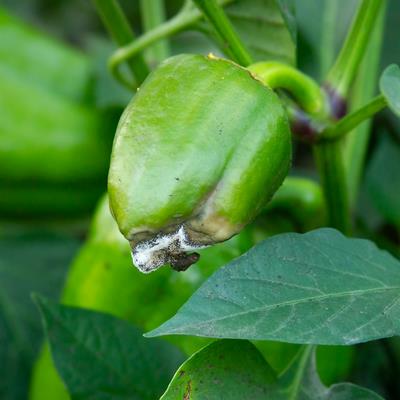
Botrytis cinerea is a significant plant pathogen with a broad host range, causing gray mold disease in over 1000 plant species, including economically important vegetable and fruit crops, trees, and flowers. This pathogen can infect various plant organs such as leaves, stems, and fruits, both in the field and post-harvest, leading to an estimated annual economic loss of USD 100 billion globally. Due to its ability to infect a variety of plant species, including model organisms like Arabidopsis thaliana and Solanum lycopersicum, Botrytis cinerea has become a key system for studying fungal necrotrophs. Recent advancements in genomics, transcriptomics, and metabolomics have provided detailed insights into the molecular interactions between B. cinerea and its hosts, as well as the ecological and evolutionary characteristics of field populations. Despite these advances, there remain significant gaps in our understanding of the pathogen's biology, the mechanisms of host resistance, and effective control strategies, necessitating further research in these areas.
This research topic aims to explore the latest developments in the understanding of Botrytis cinerea's biology, genetics, and pathology, as well as the molecular and biochemical mechanisms that enable host plants to resist infection. The primary objectives include identifying fungal virulence factors, understanding the genetic diversity and evolution of B. cinerea, and elucidating plant resistance mechanisms. Additionally, the research seeks to develop novel control methods and obtain plant varieties resistant to grey mold, ultimately creating sustainable and durable strategies to mitigate the impact of this pathogen on crop production.
To gather further insights into the complex interactions between Botrytis cinerea and its host plants, we welcome articles addressing, but not limited to, the following themes:
- Fungal virulence factors
- Fungal genetics and genomics, including studies of genetic diversity of natural populations, development of drug resistance, and evolution of virulence factors
- Plant resistance and susceptibility factors, including secondary metabolites, mechanisms of regulation of oxidative stress responses, and cell death
- Plant signaling pathways involved in the interaction with B. cinerea, including pathogen perception and activation of immune responses, hormonal regulation of susceptibility, and interaction with abiotic stresses
- Advanced methods of control of B. cinerea, including agents of biocontrol, use of elicitors and priming agents, and interaction with endophytes and soil microorganisms
Keywords: botrytis cinerea, fungi, pathogenesis, host plants, endophytes, soil microorganisms, biocontrol, hormonal regulation, fungal genetics
Important note: All contributions to this Research Topic must be within the scope of the section and journal to which they are submitted, as defined in their mission statements. Frontiers reserves the right to guide an out-of-scope manuscript to a more suitable section or journal at any stage of peer review.
