ZW
zhiqiang wu
Agricultural Genomics Institute at Shenzhen, Chinese Academy of Agricultural Sciences
Shenzhen, China
15k
Total downloads
82k
Total views and downloads
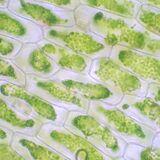
Plant cells host a variety of organelles segregated into distinct functional groups. Among those organelles, the nucleus, mitochondria, and chloroplast are of particular significance as they contain their own genomic DNA, and chloroplasts and mitochondria, specifically, play important roles across the lifespan of terrestrial plants in respiration, photosynthesis, and numerous other metabolic pathways. Moreover, to decode the full genome information of any plant species, all three organelle genomes should be included. However, until now, this objective remains challenging to attain. Compared with the relatively conserved animal mitochondrial and plant chloroplast genomes, plant mitochondrial genomes are experiencing the most fluctuating variations in genome structure, gene content, genome editing, genome mutation and recombination, etc.
This research topic aims to seek innovative explorations into the evolutionary and functional variation of plant chloroplast and mitochondrial genomes, encompassing studies at both the species and population levels. This includes an in-depth look at genome assembly methods like annotation, visualization, and structural variation, as well as an analysis of genome variations focusing on gene function, RNA editing, and horizontal gene transfers. Furthermore, we encourage the exploration of genome applications relating to organelle-based phylogenetics, population genomics, and pan-organelle genomes, as well as genome editing on plant organellar genomes. By integrating multidisciplinary insights from genomic dry data to experimental wet lab data on organelle genome, coupled with comprehensive reviews of innovative research and computational methods, we aim to deepen our all-encompassing understanding of organellar genomics, stimulate advancement in the arena of organellar genomics, and provide practical insights for broader plant biology.
We invite contributions on the evolutionary dynamics and phylogenetic variations of the pan-chloroplast genome (within individuals and species levels) and plant mitochondrial genome (interspecies and populations). Submissions on hypothesis proposal and testing, reports of plant evolutionary strategies, development of organelle-related tools and computational methodologies, and organellar genome editing are encouraged. Specific topics include, but are not limited to:
- Heterogeneities of pan-organellar genomes at various levels and how and to which degree they will influence the function of organelles
- Factors shaping the convergences and differences between chloroplast and mitochondrial genomes within and across plant lineages
- Mechanism of certain extremely accelerated evolutionary rates of plant mitogenomes compared with close relatives
- Capture all in vivo alternative configurations of plant mitogenomes
- Exploration of non-coding region function through organellar genome editing
- Homoplasmic substitution in organellar genome editing.
Keywords: Pan chloroplast/mitochondrial population genomics, plant chloroplast/mitochondrial genome phylogeny, plant mitochondrial RNA editing, cyto-nuclear interactions, organellar methodologies, Organelle genome assembly, Visualization and structural variation methods
Important note: All contributions to this Research Topic must be within the scope of the section and journal to which they are submitted, as defined in their mission statements. Frontiers reserves the right to guide an out-of-scope manuscript to a more suitable section or journal at any stage of peer review.
Agricultural Genomics Institute at Shenzhen, Chinese Academy of Agricultural Sciences
Shenzhen, China
Kunming Institute of Botany, Chinese Academy of Sciences (CAS)
Kunming, China
Colorado State University
Fort Collins, United States
Nanjing Forestry University
Nanjing, China
