WW
wei wang
Shandong Agricultural University
Taian, China
3,435
Total downloads
18k
Total views and downloads
Submit your idea
You will be redirected to our submission process.
Manuscript Submission Deadline 28 February 2026
This Research Topic is currently accepting articles.
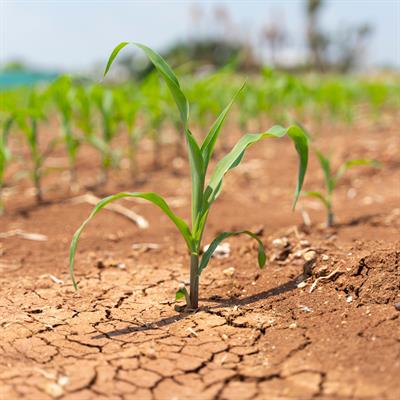
Crops face various stresses in nature, including both biotic and abiotic factors. Biotic stress mainly refers to damage caused by pathogens such as bacteria and pests, while abiotic stress includes environmental factors such as drought, salinity, and extreme temperatures. The impacts of these stresses on crops are interconnected and complex. To adapt to and withstand these stresses, crops have evolved intricate signaling pathways and gene expression regulatory networks. Some genes within these networks can simultaneously respond to cross-stress conditions. This cross-response mechanism enables plants to mount more comprehensive and effective responses when facing multiple adversities. Therefore, identifying and utilizing such genes is crucial for enhancing crop resilience to natural disasters and achieving sustainable agricultural development.
Resistance genes are often associated with agronomic traits. For instance, the resistance mechanisms of certain genes may require the consumption of energy or resources, potentially affecting crop growth rates or yields. To date, the molecular regulatory mechanisms between resistance genes and agronomic traits have not been fully elucidated. Natural disasters can lead to declines in crop quality or yield, making the identification and utilization of high-resistance genes a core issue in modern crop genetics and breeding. Therefore, we assemble this article collection with focuses on optimizing and integrating various important resistance genes using molecular marker-assisted selection (MAS), gene editing technologies (such as CRISPR-Cas9), or traditional backcross breeding methods, with the goal of developing new crop varieties with multiple desirable traits.
The goal of this Research Topic is to tackle the challenges associated with crop stress resistance and variety improvement by identifying, understanding, and utilizing resistance genes. Through advancements in molecular breeding and gene editing tools, we aim to develop new crop varieties with enhanced resistance to both biotic and abiotic stresses without compromising agronomic traits. Recent advances in gene mapping, cloning, genetic diversity analysis, and omics approaches have provided valuable insights and tools for this objective.
We welcome submissions of all article types accepted in Frontiers in Plant Science, specifically addressing the following themes:
• Gene mapping and cloning techniques for identifying key resistance genes in major crops and analyzing their molecular mechanisms.
• Genetic diversity analysis and omics approaches for discovering and utilizing resistance genes.
• Applications of gene editing and transgenic technologies in resistance gene breeding.
• The use of polygenic aggregation in breeding for high resistance and desirable traits.
• A review of recent advances in research on high resistance and excellent agronomic traits in crops.
This Research Topic accepts the following article types, unless otherwise specified in the Research Topic description:
Articles that are accepted for publication by our external editors following rigorous peer review incur a publishing fee charged to Authors, institutions, or funders.
Keywords: Genetic resistance, Crop stress, Biotic stress, Abiotic stress, Gene regulation, Agronomic traits, Molecular breeding, Gene editing
Important note: All contributions to this Research Topic must be within the scope of the section and journal to which they are submitted, as defined in their mission statements. Frontiers reserves the right to guide an out-of-scope manuscript to a more suitable section or journal at any stage of peer review.
Manuscripts can be submitted to this Research Topic via the main journal or any other participating journal.
Submit your idea
You will be redirected to our submission process.
