ST
shalini tiwari
University of the Ozarks
Clarksville, United States
134
Total downloads
5,820
Total views and downloads
Submit your idea
Select the journal/section where you want your idea to be submitted:
Manuscript Submission Deadline 22 April 2026
This Research Topic is currently accepting articles.
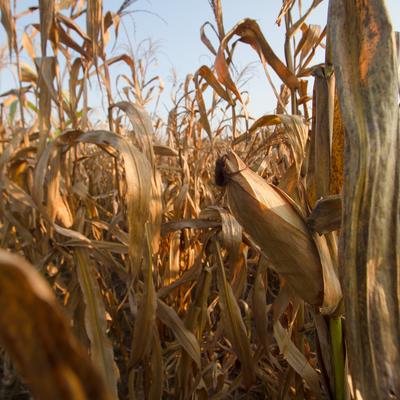
Abiotic stress factors such as drought, salinity, extreme temperatures, heavy metal toxicity, and nutrient deficiencies significantly impact plant growth and development. These environmental stresses disrupt the symbiotic relationships that plants form with microbes, particularly mutualistic ones like nitrogen-fixing rhizobia. Under normal conditions, these beneficial microbes enter the plant roots and form nodules, which provide critical nutrients that enhance plant growth and resilience. However, under abiotic stress, this crucial symbiotic process is compromised by alterations in microbial entry pathways, root morphology, soil structure, and the overall chemical environment of the rhizosphere. This can lead to less efficient nutrient acquisition, reduced crop productivity, and thus pose significant challenges to sustainable agriculture by affecting soil health and the equilibrium of the ecosystem.
This Research Topic aims to delve into the complex dynamics between abiotic stress and plant-microbe symbiotic relationships. Emphasizing the molecular and chemical shifts that occur during such stress, this research will investigate how these changes undermine the symbiotic efficiency, thus affecting nutrient transfer and plant health. By understanding the interactions at this intricate biological interface under various stress conditions, the goal is to forge advancements that could lead to the development of stress-resilient plant varieties and innovative agricultural practices that enhance crop productivity and sustainability in the face of escalating climate challenges.
To effectively map the scope of how environmental challenges influence the establishment and efficacy of mutualistic symbioses, we invite research that may include, but is not limited to, the following areas:
• Dynamics of microbial entry mechanisms under varying abiotic stresses and their influence on nodulation processes
• Adaptations in root architecture and rhizosphere modifications under stress-induced scenarios affecting microbial colonization
• Advances in microbial engineering to boost resilience to abiotic stress, focusing on enhanced microbial motility and symbiotic efficiency
• Detailed analysis of root exudates and chemical signaling changes due to stress and their impact on microbial attraction and colonization
• Examination of plant defense responses and their influence on the success or disruption of nodulation under stress conditions
• Application of omics technologies to uncover intricate details of plant-microbe interactions under stress
• Discussions on implementing research findings into practical agricultural strategies to improve crop resilience and sustainability in stress-prone environments
Submissions of various article types, including Original Research Articles, Review Articles, Methodological Papers, and Case Studies, are highly encouraged. This comprehensive exploration will not only enrich our understanding of abiotic stress impacts on symbiotic interactions but will also provide critical insights for enhancing agricultural practices and food security in a changing climate.
This Research Topic accepts the following article types, unless otherwise specified in the Research Topic description:
Articles that are accepted for publication by our external editors following rigorous peer review incur a publishing fee charged to Authors, institutions, or funders.
Keywords: Abiotic stress, Climate Change, Microbial entry mechanisms, Plant-microbe Interaction, Root morphology, Rhizosphere, Root exudates, Symbiosis, Soil structure
Important note: All contributions to this Research Topic must be within the scope of the section and journal to which they are submitted, as defined in their mission statements. Frontiers reserves the right to guide an out-of-scope manuscript to a more suitable section or journal at any stage of peer review.
Manuscripts can be submitted to this Research Topic via the main journal or any other participating journal.
Submit your idea
Select the journal/section where you want your idea to be submitted:
