XD
xiangshu dong
Yunnan University
Kunming, China
1,169
Total views and downloads
Submit your idea
You will be redirected to our submission process.
Manuscript Submission Deadline 15 May 2026
This Research Topic is currently accepting articles.
This Research Topic is part of the article collection series - Research on Brassicaceae Crops Genomics and Breeding, volume II
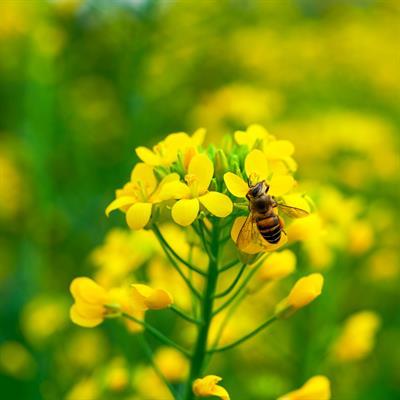
The family Brassicaceae comprises approximately 350 genera and 3,000 species, including many economically significant crops such as edible and industrial oilseeds, vegetables, condiments, and fodder plants. Widely cultivated species like Chinese cabbage, radish, cabbage, and rapeseed are cultivated globally and serve as vital agricultural resources. The family also harbors extensive agronomic and economic traits within its diverse wild germplasms, making it an ideal model system for studying elite traits. Advances in sequencing technologies and modern biotechnologies have enabled the genome sequencing of numerous Brassicaceae crop species, yielding high-quality chromosome-scale assemblies. These achievements have facilitated functional genomics, genome-wide association studies (GWAS), and domestication analyses, accelerating research on species evolution, gene function elucidation, molecular marker-assisted breeding, and the application of gene-editing technologies in Brassicaceae germplasm resources.
The purpose of this research topic is to showcase the latest fundamental discoveries in Brassicaceae crop genomics and the potential applications of biotechnologies in crop genetic improvement. By highlighting cutting-edge research, this collection aims to advance understanding of genomic mechanisms underlying agronomic traits and promote innovative approaches for crop enhancement.
We welcome submissions of original research, reviews, methodologies, mini-reviews, perspectives, and opinion articles that address, but are not limited to, the following themes:
• Genetic and functional characterization of genes regulating key developmental processes or agronomic traits in Brassicaceae crops.
• Genetic improvement of Brassicaceae crops through gene editing and other modern biotechnologies.
• Discovery, characterization, and application of germplasm resources with elite traits.
This Research Topic accepts the following article types, unless otherwise specified in the Research Topic description:
Articles that are accepted for publication by our external editors following rigorous peer review incur a publishing fee charged to Authors, institutions, or funders.
Keywords: Brassicaceae, Genomics, Crop breeding, gene editing, germplasm resources
Important note: All contributions to this Research Topic must be within the scope of the section and journal to which they are submitted, as defined in their mission statements. Frontiers reserves the right to guide an out-of-scope manuscript to a more suitable section or journal at any stage of peer review.
Manuscripts can be submitted to this Research Topic via the main journal or any other participating journal.
Submit your idea
You will be redirected to our submission process.
