GY
guohui yu
College of Grassland and Technology, Sichuan Agricultural University
Chengdu, China
603
Total downloads
2,892
Total views and downloads
Chlorophyll degradation characterized by leaf yellowing and nutrient loss is the key process in leaf senescence, in which green chlorophyll molecules degrade into non-color production. A series of extreme environmental conditions such as light intensity, rhizospheric microbiome, bio-and abiotic stresses (for example heat, salt, drought, diseases, etc.) contribute a lot to chlorophyll metabolism. With the rapid advancement of sequencing technology, bioinformatics, and detecting strategies, it has become convenient and efficient to manifest or characterize key regulators or metabolism enzymes responsive to various stresses-induced chlorophyll degradation. However, to achieve this, the efforts in developing novel or useful protocols still deserve to be advocated.
In plant biology, convenient or efficient systems would benefit the breakthrough of such situations, which are consisted of different approaches or protocols. For example, an approach for strategic N management based on the water and N co-limitation theory, have benefited a lot of studies worldwide including those on leaf senescence. Also, in forage or turfgrass, the ryegrass protoplast isolation and transformation system contributed a lot to the molecular mechanism study in the regulation of chlorophyll degradation and gave ideas to other crops or economic plants. Thus, it is valuable to acquire such protocols or systems and make it more convenient to reach readers and help with the research on chlorophyll degradation.
We prefer all approach-or protocol associated articles or reviews on the following topics but not limit to
• Important innovations of key genes mining for interpreting biotic or abiotic stresses induced chlorophyll degradation
• How do light intensity and its signaling components affect chlorophyll degradation
• The correlation of chlorophyll degradation and nutrient component (e.g. Cell wall, fiber content, lipid comparison, etc.). And how do these components contribute to chlorophyll degradation?
• How does rhizome mechanism affect chlorophyll degradation?
• The conjugated assays in studying the signaling modules upstream of chlorophyll degradation
• Computer-based informatics or AI technology to facilitate the above
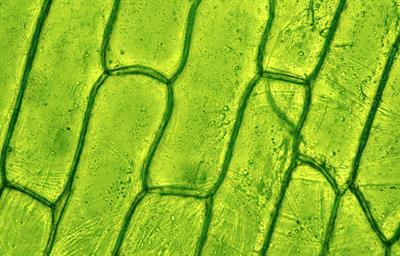
Keywords: Chlorophyll degradation, leaf senescence, light, stress, gene mining, extreme environmental condition, bioinformatics, nutrient
Important note: All contributions to this Research Topic must be within the scope of the section and journal to which they are submitted, as defined in their mission statements. Frontiers reserves the right to guide an out-of-scope manuscript to a more suitable section or journal at any stage of peer review.
