JP
josé pinela
Instituto Nacional de Investigação Agrária e Veterinária (INIAV)
Vairão, Vila do Conde, Portugal
254
Total downloads
5,183
Total views and downloads
Submit your idea
You will be redirected to our submission process.
Manuscript Submission Deadline 28 February 2026
This Research Topic is currently accepting articles.
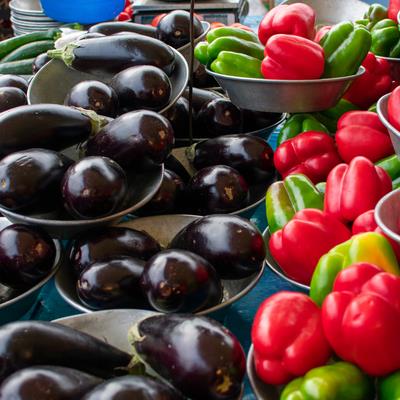
The Solanaceae (nightshade) family includes many popular and economically important crops, such as tomatoes, potatoes, peppers, eggplants, and tobacco. This family comprises diverse genera with edible, ornamental, medicinal, and toxic plants, with Solanum, Capsicum, Nicotiana, Physalis, and Petunia being particularly noteworthy. These species play crucial roles across various sectors, producing specialized metabolites like phenolic compounds, glycoalkaloids, tropane alkaloids, terpenoids, and carotenoids. Such compounds enhance crop resilience, offer nutritional and health benefits, and have pharmacological and psychoactive effects.
The chemodiversity within the Solanaceae family supports ecological roles, such as plant resistance, and interactions with environmental agents while affecting the quality and safety of foods and consumer goods. Despite decades of research, this family continues to surprise with novel compounds from both cultivated and wild species. Expanding scientific knowledge on this chemodiversity is critical to improving plant resilience and adaptation, ensuring food quality and safety, advancing crop breeding, and unlocking the therapeutic potential of bioactive compounds.
This Research Topic aims to explore and highlight recent advancements in understanding the chemodiversity within the Solanaceae family, focusing on ecological, genetic, and environmental influences. The production and management of specialized metabolites in Solanaceae pose challenges, particularly in crop resilience, food safety, and biodiversity conservation. This topic seeks to address these challenges through interdisciplinary studies that reveal how chemodiversity is affected and managed to enhance beneficial properties of these crops while reducing harmful metabolite accumulation. Research on local landraces and germplasm collections to identify desirable quality traits is also encouraged.
By bringing together studies examining chemodiversity, secondary metabolite biosynthesis, molecular regulation of metabolic pathways, and the ecological roles of these compounds, we aim to foster collaboration for innovative solutions. These efforts can enhance crop resilience and quality, address climate change challenges, and unlock the therapeutic potential of Solanaceae bioactive compounds. Our goal is to promote the development of safer, higher-quality crops and derived products that contribute to global food security and offer new avenues for sustainable agriculture and human health benefits.
This Research Topic accepts the following article types, unless otherwise specified in the Research Topic description:
Articles that are accepted for publication by our external editors following rigorous peer review incur a publishing fee charged to Authors, institutions, or funders.
Keywords: Solanaceae, Secondary metabolites, Bioactive compounds, Plant resilience, Metabolomics
Important note: All contributions to this Research Topic must be within the scope of the section and journal to which they are submitted, as defined in their mission statements. Frontiers reserves the right to guide an out-of-scope manuscript to a more suitable section or journal at any stage of peer review.
Instituto Nacional de Investigação Agrária e Veterinária (INIAV)
Vairão, Vila do Conde, Portugal
Instituto de Tecnologia Química e Biológica, Universidade Nova de Lisboa
Oeiras, Portugal
Centro de Investigação de Montanha (CIMO)
Bragança, Portugal
Spanish National Research Council (CSIC)
Madrid, Spain
Manuscripts can be submitted to this Research Topic via the main journal or any other participating journal.
Submit your idea
You will be redirected to our submission process.
