SL
sofía laura gonzalez
Institute for Research in Biodiversity and the Environment, National University of Comahue
Bariloche, Argentina
1,344
Total downloads
9,191
Total views and downloads
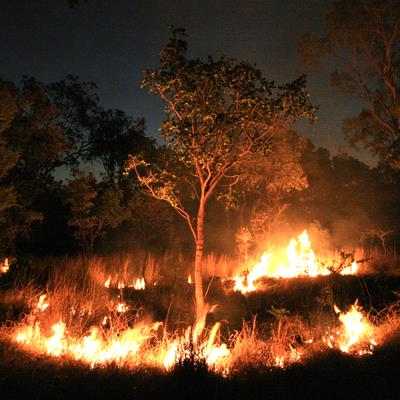
Fire, often seen as a destructive force, plays a key role in maintaining and enhancing biodiversity in ecosystems worldwide. Natural fire events contribute to the health and diversity of plant communities by clearing old vegetation, circulating nutrients, and fostering new growth. Among the observed post-fire vegetation patterns are the resprouting of fire-tolerant species and the recruitment of native fire-ephemeral plants. This massive recruitment is facilitated by fire-related cues such as heat, smoke, and charred materials, which trigger seed germination from the soil seed bank promoting native plant establishment.
With climate change increasing fire frequency and intensity, ecosystems are undergoing unprecedented transformations, impacting biodiversity. Understanding post-fire plant diversity patterns and their underlying mechanisms is essential for advancing conservation efforts and promoting sustainable land management.
This Research Topic focuses on filling the existing knowledge gaps of post-fire vegetation patterns that enhance the diversity of native plant species and the underlying mechanisms that explain these patterns. This includes the exploration of the role of fire-related cues in shaping plant communities through their influence on seed germination and plant growth. Furthermore, understanding fire-related cues can offer practical applications for restoration and conservation efforts, ultimately improving land management strategies in fire-prone ecosystems.
By integrating studies that identify these post-fire patterns and mechanisms, we aim to provide a more comprehensive understanding of how fire contributes to biodiversity and ecosystem resilience.
To achieve a comprehensive analysis, this Research Topic will focus on several pivotal aspects:
• Post-fire studies that identify patterns that enhance the diversity of native plant species.
• Mechanisms that explain the observed post-fire patterns influencing native plant diversity.
• Patterns and key drivers of post-fire native vegetation recovery across different spatial and temporal scales.
• Fire-related cues that influence seed germination and plant growth in native species.
• Practical applications of fire-related cues for restoration and biodiversity conservation to improve land management.
We encourage submissions that delve into these areas, offering original research, reviews, or field reports that advance our understanding and application of fire for enhancing native biodiversity and ecological resilience.
Keywords: biodiversity, fire cues, seed germination, ecosystem resilience, native plant species, Biodiversity Enhancement, Post-Fire Recovery, Ecological Resilience, Climate Change Impact on Fires, Sustainable Land Management, Conservation Practices, Field Studies on Wildfires, Fire-Triggered Plant Growth, Fire Patterns and Plant Response
Important note: All contributions to this Research Topic must be within the scope of the section and journal to which they are submitted, as defined in their mission statements. Frontiers reserves the right to guide an out-of-scope manuscript to a more suitable section or journal at any stage of peer review.
Institute for Research in Biodiversity and the Environment, National University of Comahue
Bariloche, Argentina
Fukui University of Technology
Fukui, Japan
The University of Melbourne
Parkville, Australia
National Scientific and Technical Research Council (CONICET)
Buenos Aires, Argentina
University of Santiago de Compostela
Santiago de Compostela, Spain
College of Grassland Science, Gansu Agricultural University
Lanzhou, China
